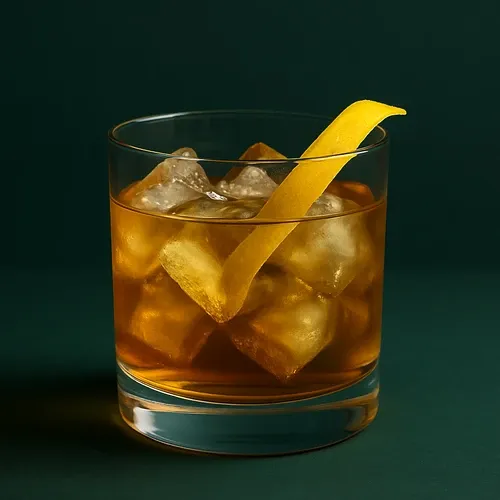
Stirred Cocktails

Clear, spirit-forward drinks where slow dilution preserves aroma, texture and precision
Explore stirred cocktails with clear texture, balanced dilution and spirit-led structure, from classics to modern recipes.
Explore sections by
77 cocktails found
Filter Cocktails by Letter
(No filters active)Page 2 of 4 Showing 21–40 of 77

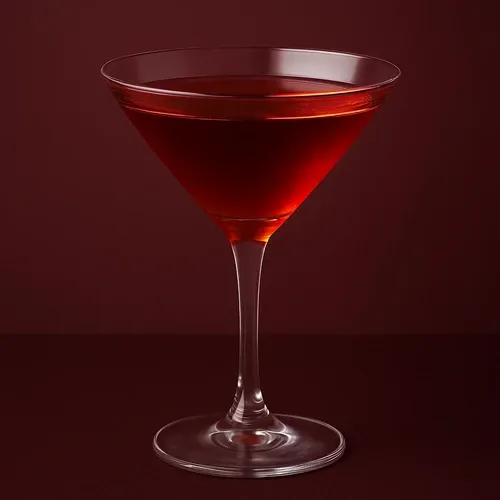
Brooklyn
Ingredients for Brooklyn — 4 total (3 shown, 1 more hidden).
+1


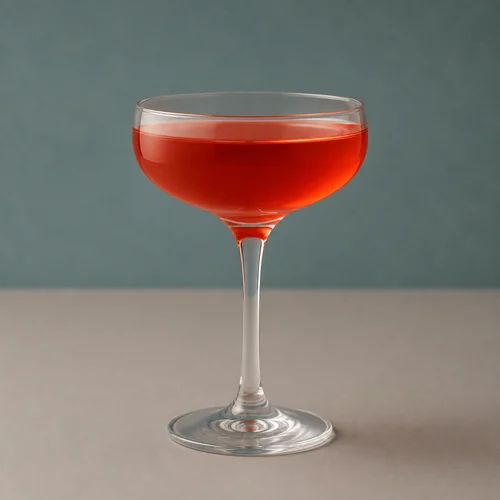
Cardinale
Ingredients for Cardinale — 3 total (3 shown).

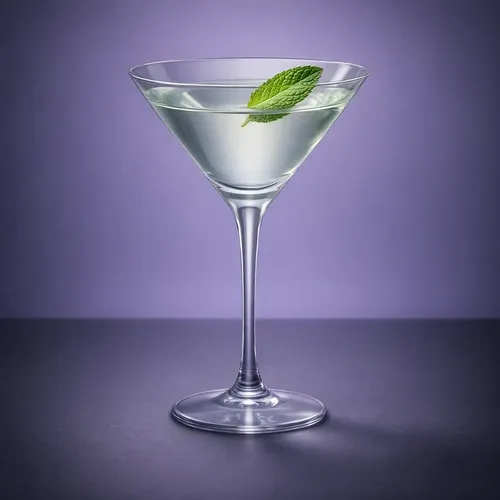
Derby
Ingredients for Derby — 3 total (3 shown).


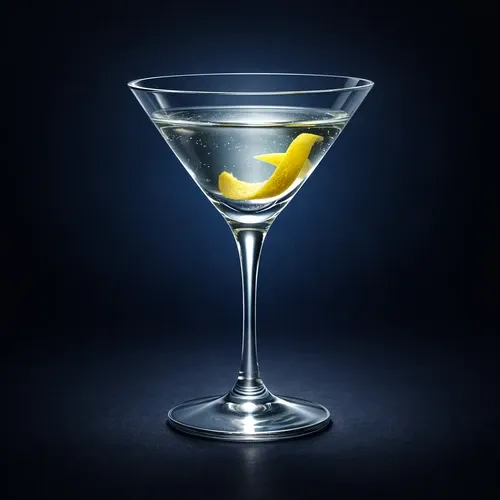
Dry Martini
Ingredients for Dry Martini — 3 total (3 shown).

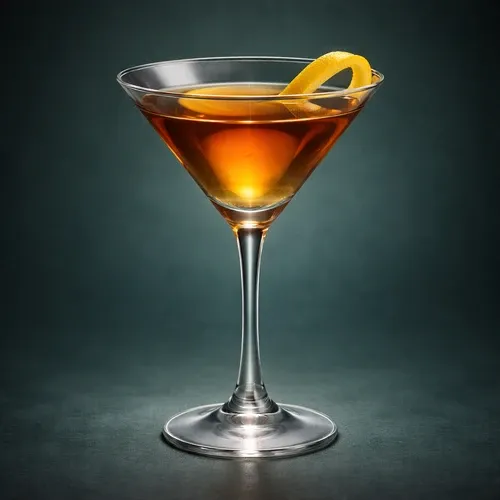
Dry Rob Roy
Ingredients for Dry Rob Roy — 3 total (3 shown).

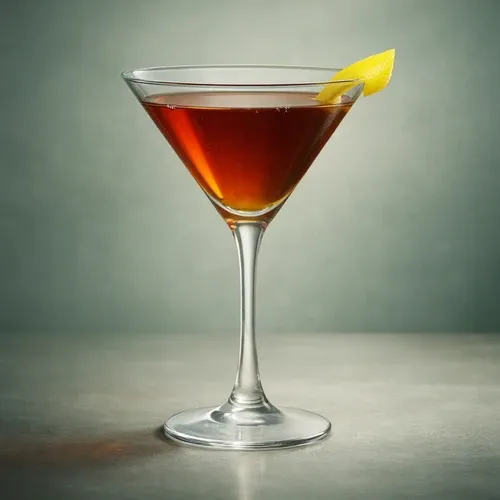
Dubonnet Cocktail
Ingredients for Dubonnet Cocktail — 4 total (3 shown, 1 more hidden).
+1
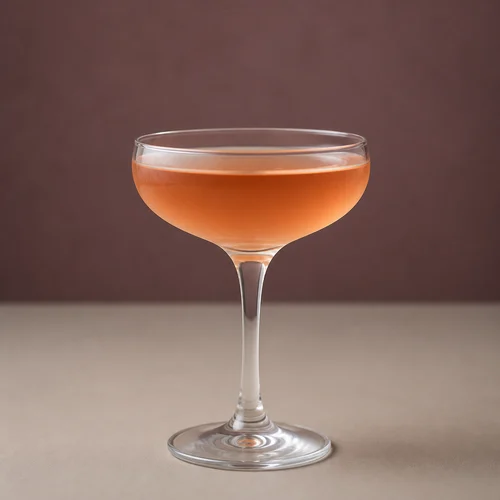
El Presidente
Ingredients for El Presidente — 4 total (3 shown, 1 more hidden).
+1

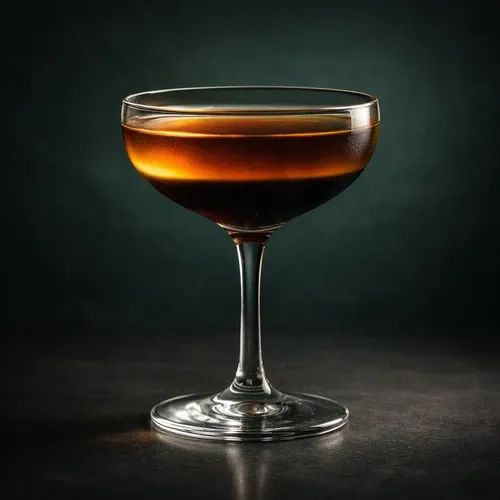
Empellón Cocina's Fat-Washed Mezcal
Ingredients for Empellón Cocina's Fat-Washed Mezcal — 3 total (3 shown).


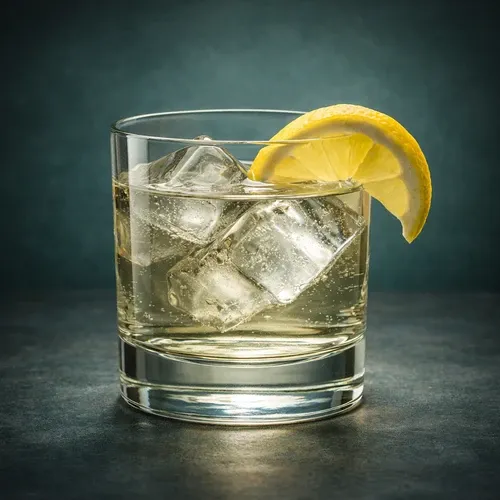
Flying Dutchman
Ingredients for Flying Dutchman — 3 total (3 shown).

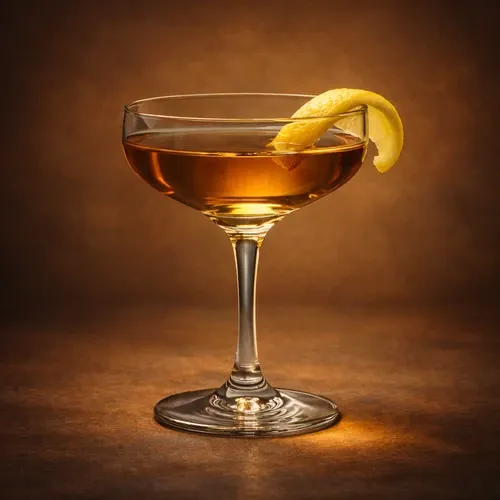
Flying Scotchman
Ingredients for Flying Scotchman — 5 total (3 shown, 2 more hidden).
+2
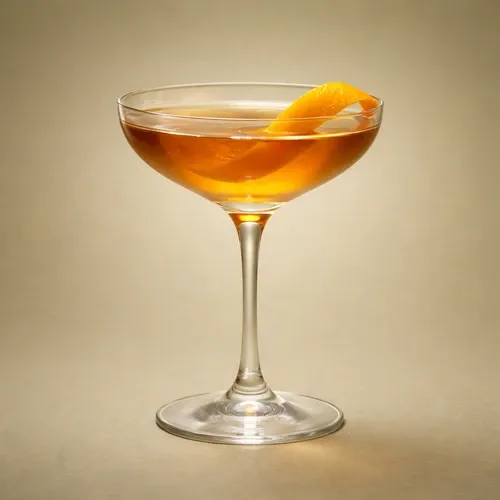
French Negroni
Ingredients for French Negroni — 4 total (3 shown, 1 more hidden).
+1
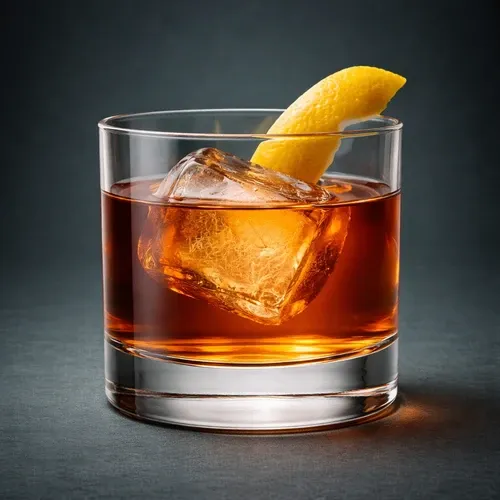
Gentleman's Club
Ingredients for Gentleman's Club — 4 total (3 shown, 1 more hidden).
+1
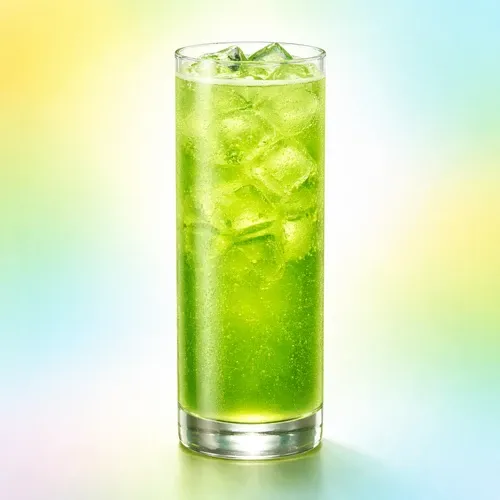
Gideon's Green Dinosaur
Ingredients for Gideon's Green Dinosaur — 7 total (3 shown, 4 more hidden).
+4

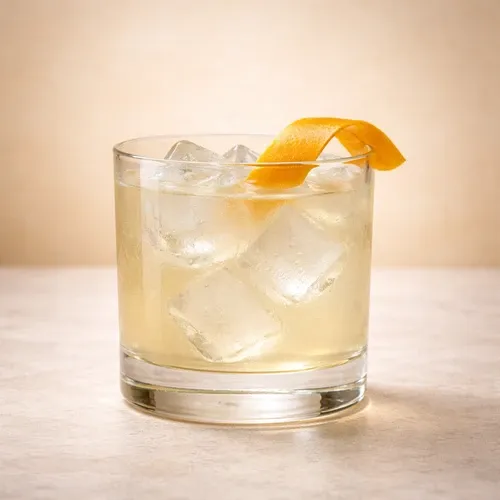
Gin Sling
Ingredients for Gin Sling — 5 total (3 shown, 2 more hidden).
+2

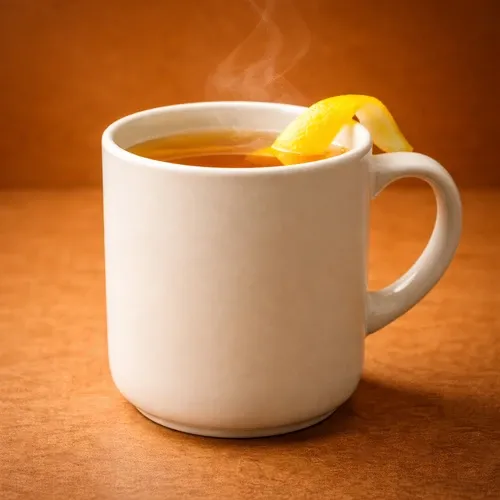
Gin Toddy
Ingredients for Gin Toddy — 5 total (3 shown, 2 more hidden).
+2

Godfather
Ingredients for Godfather — 2 total (2 shown).

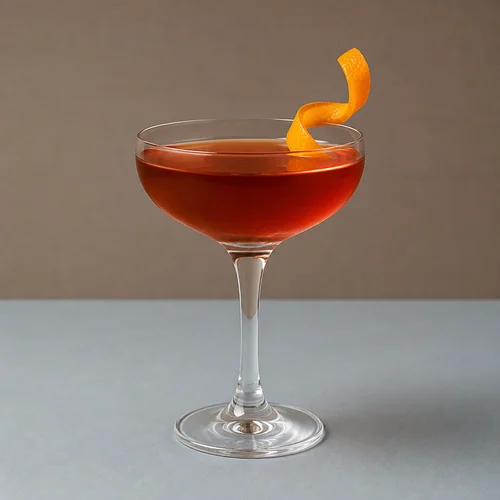
Hanky Panky
Ingredients for Hanky Panky — 4 total (3 shown, 1 more hidden).
+1
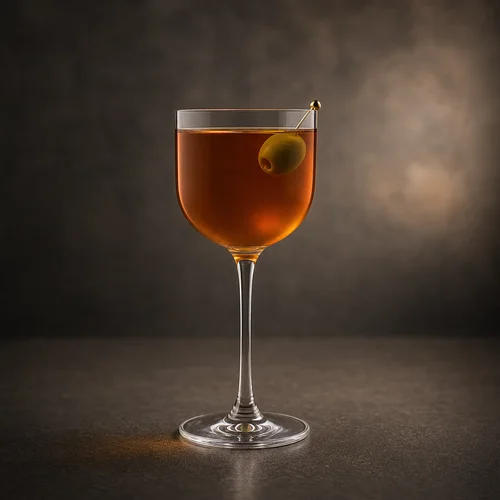
Highland Fling Cocktail
Ingredients for Highland Fling Cocktail — 4 total (3 shown, 1 more hidden).
+1
Stirred cocktails: key features
These notes explain how the Stirred method shapes texture, dilution and recipe choice.
Clarity, Control & Precision
Stirred cocktails prioritise visual clarity, precise dilution and a smooth, disciplined texture. The method is designed to chill and integrate ingredients without introducing air or cloudiness.

Gentle Dilution & Temperature Management
Stirring with quality ice allows you to reach the ideal balance of chill and dilution in a controlled, gradual way. The goal is a cold, silky drink—not an over-diluted or aggressive one.
Spirit-Forward Balance
Most stirred cocktails are spirit-forward: the base spirit, fortified wines and bitters remain clearly expressed in the final profile. Stirring preserves definition and structure, letting nuanced flavours stay in focus.

Silky Mouthfeel & Texture
The motion of the bar spoon polishes the texture, creating a round, velvety mouthfeel without foam or froth. This is essential for classics where elegance and smoothness are part of the experience.
Benchmark Classics & Repeatability
Stirred recipes reward consistency: the same motion, timing and ice quality deliver the same balanced result, round after round. Iconic stirred cocktails include Martini, Manhattan and Vesper.
Stirred cocktails: frequently asked questions
A stirred cocktail is mixed with ice in a mixing glass or directly in the serving glass to chill and dilute without aerating or clouding the drink.
Spirit-forward drinks like the Martini or Manhattan rely on clarity and precision. Stirring preserves their structure, while shaking would introduce air, cloudiness and a rougher texture.
Most builds reach ideal chill and dilution after 20–30 seconds of steady stirring with dense ice. The exact time depends on glass temperature, ice quality and target strength.
Large, solid cubes or clear blocks are ideal: they melt slowly and offer consistent chilling. Small, fractured or wet ice dilutes too quickly and makes control more difficult.
Taste a small sample from the mixing glass: the drink should feel cold, balanced and integrated, without harsh edges or watery notes.
Traditionally, cocktails with fresh citrus are shaken to achieve full emulsification and aeration. Stirring a citrus drink can leave it under-integrated and texturally flat.
Benchmark stirred cocktails include Martini, Manhattan and Vesper, all of which showcase clarity, balance and spirit-forward character.
At minimum, you need a mixing glass, a bar spoon and a julep or Hawthorne strainer. A chilled serving glass and quality ice complete the core setup.
Double-straining is less common for stirred cocktails, but it can be useful when using cracked ice or when tiny shards might cloud the drink.
Yes. Stirring too aggressively can break ice and over-dilute the drink; too gently and the cocktail will not chill properly. Aim for a smooth, continuous motion that keeps ice and liquid moving together.
Yes. Spiritous cocktails are excellent candidates for batching: combine, pre-dilute partially, chill and store cold. At service, stir with fresh ice to finish dilution and bring the drink to temperature.
Clarity signals technical control and lets the colour of the spirits and vermouths shine through. A clear cocktail also delivers a more focused flavour impression on the palate.
Start with very cold, dense ice and chilled glassware, then taste often and stop stirring as soon as the drink hits the right balance.
Different spoons and techniques mainly affect comfort and efficiency, not flavour. What matters most is a consistent, smooth motion that keeps the ice moving without chipping it excessively.
Yes, especially for spirit-and-ice serves like some Old Fashioned variations. A separate mixing glass, however, gives you tighter control over dilution and lets you serve the drink free of spent ice.
Next paths
Keep exploring cocktails
Use these context routes to move from this list into stronger cocktail discovery paths.