Serving Style
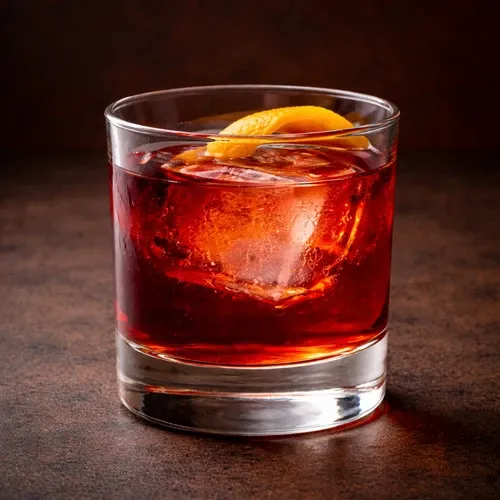
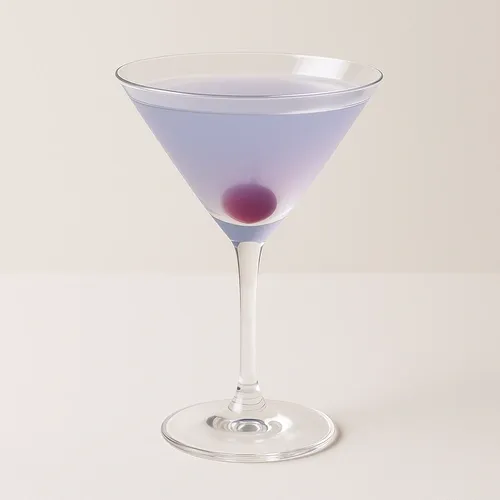
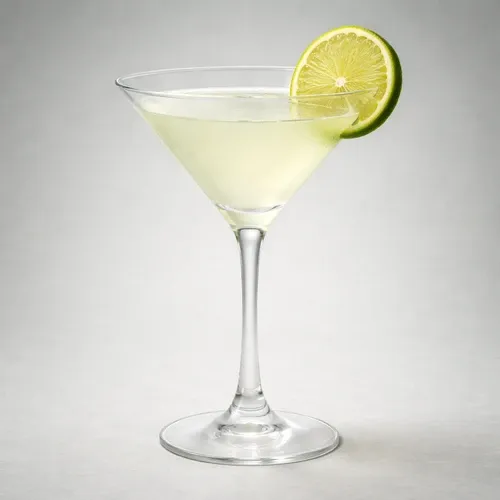
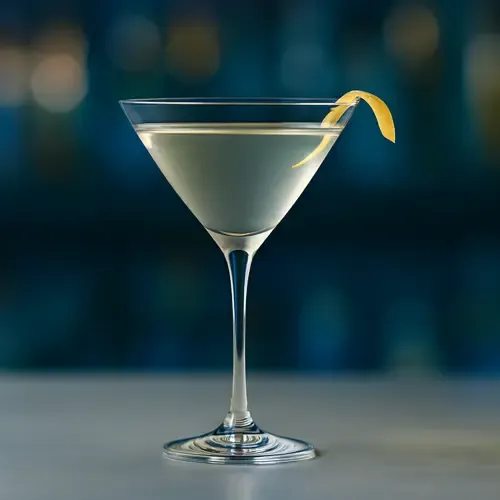
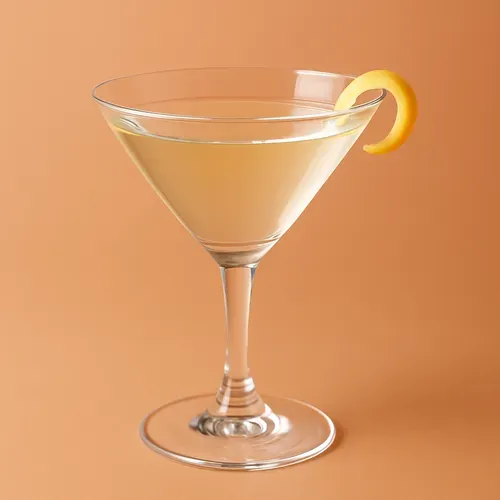
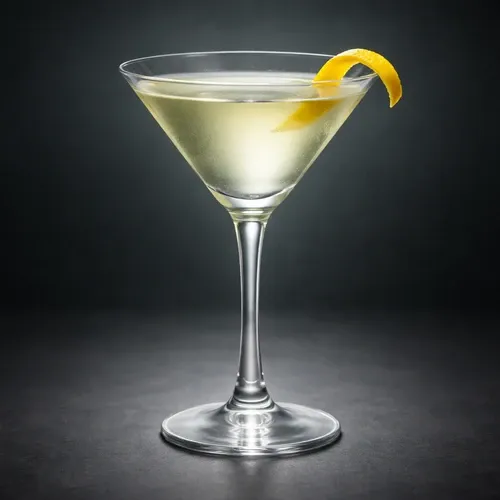
Serve crystal-clear in a chilled martini glass with one lemon twist.
The Dry Martini should look cold, pale, and severe, with the lemon oil lifting the gin and dry vermouth aroma without adding visual clutter.
Food Pairings
Pair it with olives, salted nuts, oysters, smoked salmon, crackers, or light canapes. Gin botanicals, dry vermouth, and lemon aroma work best with briny, salty, and clean aperitif food.
Origins
The Dry Martini emerged in the late 19th century as gin-and-vermouth cocktails moved toward drier, more spirit-forward styles.
Its importance comes from precision: small changes in dry vermouth, dilution, temperature, and garnish can noticeably change the drink.
Best Occasions
Best for formal gatherings, aperitif moments, seafood bars, classic cocktail service, and occasions that call for refined simplicity rather than sweetness or fruit.
Tasting Notes
Gin leads with juniper and botanicals, dry vermouth adds wine-like dryness and herbal structure, and lemon oil brightens the first aroma.
The palate should feel cold, clean, dry, and focused.
Style & Character
Austere, elegant, precise, spirit-forward, and uncompromising.
Variations
Add olive brine to move toward a Dirty Martini, or use an olive instead of lemon for a more savory profile.
Keep the gin and dry vermouth relationship clear, because the Dry Martini depends on restraint.
Alcohol Strength
28%
⚠️ Alcoholic beverage: not suitable for minors, pregnant individuals, or designated drivers. Please enjoy responsibly.