Lemon Juice
Non-Alcoholic (~0% ABV) Citrus Juices
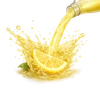
Lemon juice is a non-alcoholic citrus ingredient obtained from fresh lemons. Valued for its sharp acidity and bright citrus aroma, it serves as a foundational component in many cocktails, providing balance, freshness, and structural acidity.

Flavor & Technical
This section summarizes the sensory balance and technical behavior of Lemon Juice when used in cocktails, combining perceived flavor intensity with functional roles.
Flavor balance and intensity
Technical characteristics
How Lemon Juice works in cocktails
Lemon Juice is analyzed here as a working cocktail ingredient: how it changes flavor, what role it plays in a build, when it should be substituted, and which recipe patterns it supports.
Flavor role in cocktail balance
Lemon juice delivers clean, sharp acidity with bright citrus aromatics. Sourness dominates, supported by subtle natural sweetness and light bitterness from citrus oils. The profile is crisp, refreshing, and highly expressive, making it a primary balancing agent in mixed drinks.
Best uses behind the bar
Lemon juice functions as a primary acid component to balance sweetness and alcohol in cocktails. It provides freshness, structure, and lift, cutting through rich or sweet ingredients. Beyond beverages, it is widely used in culinary applications to add brightness, preserve color, and enhance flavor contrast.
Substitutes in cocktail builds
Lime juice is the closest substitute, offering similar acidity with a sharper and more aromatic profile. In non-cocktail contexts, diluted citric acid solutions or mild vinegars can replicate acidity, though they lack the fresh citrus aroma.
Production and style context
Lemon juice has been used for centuries in cooking and preservation, valued for both flavor and acidity. Its adoption in cocktails grew during the 19th century as bartenders recognized its ability to balance sugar and spirits, becoming a cornerstone of sour-style drinks.
Mixology notes
Fresh lemon juice oxidizes quickly and loses aromatic intensity over time, which is why it performs best when used shortly after pressing. Its high acidity also makes it an effective natural preservative and flavor stabilizer.
Similar ingredients (by flavor & function)
Ingredients listed here share similar flavor characteristics or functional roles with Lemon Juice, making them comparable in certain cocktail contexts.
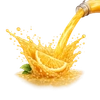
Comparable in recipe usage, but structured flavor data is incomplete for this ingredient.
Frequently paired with
These ingredients frequently appear alongside Lemon Juice in cocktail recipes, based on co-occurrence across the database.
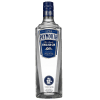
Used with Lemon Juice in 29 cocktails
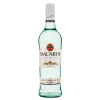
Used with Lemon Juice in 13 cocktails
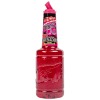
Used with Lemon Juice in 15 cocktails
Used with Lemon Juice in 9 cocktails
Used with Lemon Juice in 6 cocktails
Explore cocktails with Lemon Juice
Use these child hubs to compare Lemon Juice across repeated cocktail patterns instead of reading recipes one by one. Each link groups recipes by a different structural signal.
By preparation method
Preparation method shows how Lemon Juice behaves under technique: shaken for integration, stirred for clarity, built for direct length, heated for warmth, or blended for texture.


By glass
Glassware reveals serving format and dilution strategy for Lemon Juice, separating short, spirit-led serves from tall, warm, frozen, or lengthened drinks.


Cocktails using Lemon Juice
A curated selection of cocktails that showcase Lemon Juice as a defining ingredient.
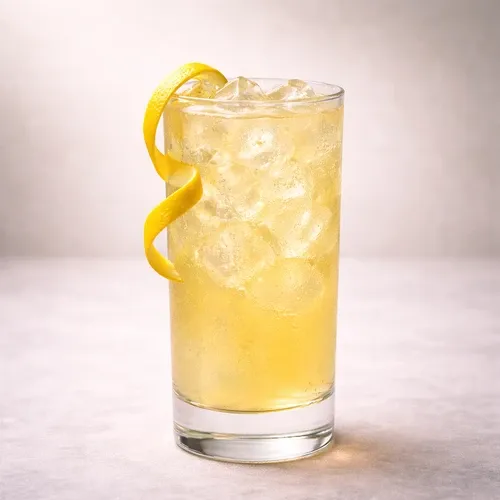
A Night In Old Mandalay
Ingredients for A Night In Old Mandalay — 6 total (3 shown, 3 more hidden).
+3


A True Amaretto Sour
Ingredients for A True Amaretto Sour — 4 total (3 shown, 1 more hidden).
+1
A1
Ingredients for A1 — 5 total (3 shown, 2 more hidden).
+2