Grenadine
Non-Alcoholic (~0% ABV) Syrups & Sweeteners
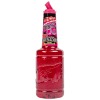
Grenadine is a non-alcoholic syrup traditionally made from pomegranate juice, sugar, and water. It is used to add sweetness, a subtle tart fruit note, and a characteristic red-pink hue to mixed drinks.

Flavor & Technical
This section summarizes the sensory balance and technical behavior of Grenadine when used in cocktails, combining perceived flavor intensity with functional roles.
Flavor balance and intensity
Technical characteristics
How Grenadine works in cocktails
Grenadine is analyzed here as a working cocktail ingredient: how it changes flavor, what role it plays in a build, when it should be substituted, and which recipe patterns it supports.
Flavor role in cocktail balance
Sweet and fruit-forward with a distinct pomegranate identity when made traditionally. It presents a gentle tart undertone that balances the sweetness and contributes a vivid red-to-pink color that strongly influences a drink's appearance. Commercial versions vary widely in quality and tartness depending on pomegranate content.
Best uses behind the bar
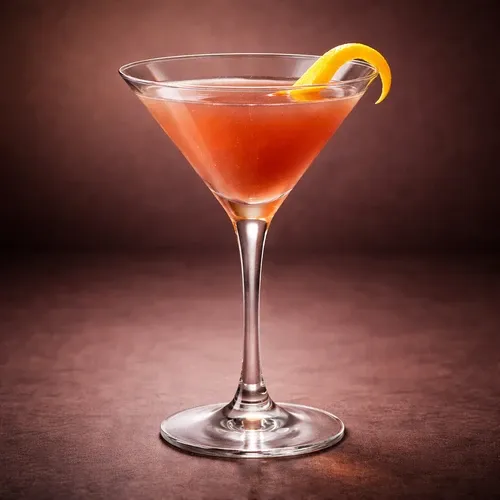
Grenadine functions as both a sweetener and visual modifier in cocktails and mocktails. It appears frequently in layered or gradient drinks such as the Tequila Sunrise , and in non-alcoholic classics like the Shirley Temple. In general mixology, small amounts are used to adjust sweetness while adding color and a mild fruit character.
Substitutes in cocktail builds
Raspberry syrup can replace grenadine for sweetness and red fruit tone, though it lacks pomegranate character. Pomegranate molasses offers authentic pomegranate flavor but is far more concentrated and tart, requiring dilution and additional sugar to approximate grenadine's balance and texture.
Production and style context
Grenadine originated in the 19th century as a pomegranate-based syrup used in early cocktails and mixed drinks. It became a staple bar ingredient over time, though many mass-market versions later moved away from true pomegranate juice , prompting renewed interest in traditional formulations among modern bartenders.
Mixology notes
The name derives from the French word for pomegranate. Even very small quantities can dramatically affect a cocktail's color, making grenadine one of the most visually impactful syrups in a bar. High-quality grenadine is judged as much by its tart balance as by its sweetness.
Frequently paired with
These ingredients frequently appear alongside Grenadine in cocktail recipes, based on co-occurrence across the database.
Used with Grenadine in 14 cocktails
Used with Grenadine in 15 cocktails
Used with Grenadine in 15 cocktails

Used with Grenadine in 4 cocktails
Explore cocktails with Grenadine
Use these child hubs to compare Grenadine across repeated cocktail patterns instead of reading recipes one by one. Each link groups recipes by a different structural signal.
By preparation method
Preparation method shows how Grenadine behaves under technique: shaken for integration, stirred for clarity, built for direct length, heated for warmth, or blended for texture.


By glass
Glassware reveals serving format and dilution strategy for Grenadine, separating short, spirit-led serves from tall, warm, frozen, or lengthened drinks.


Cocktails using Grenadine
A curated selection of cocktails that showcase Grenadine as a defining ingredient.
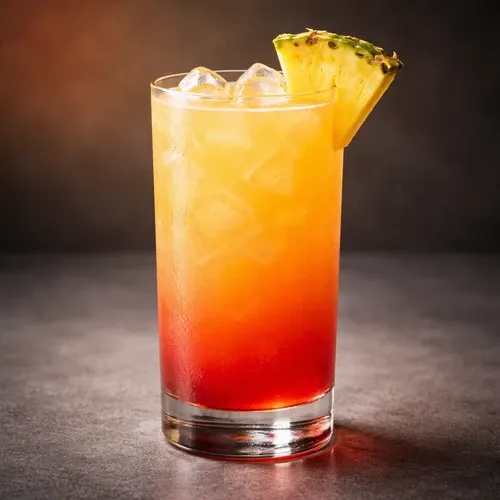
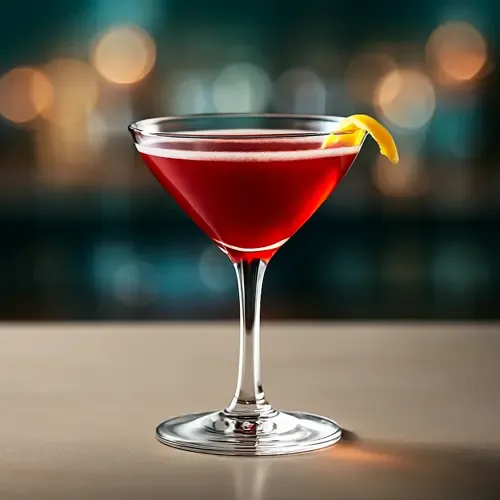
A Day at the Beach
Ingredients for A Day at the Beach — 5 total (3 shown, 2 more hidden).
+2

A1
Ingredients for A1 — 5 total (3 shown, 2 more hidden).
+2
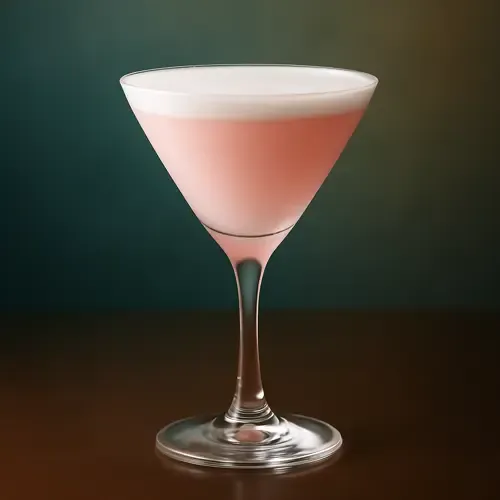
Ace
Ingredients for Ace — 5 total (3 shown, 2 more hidden).
+2