Coconut Rum
Alcoholic (~21% ABV) Spirits
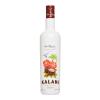
Coconut rum is a flavored rum produced by infusing or flavoring a rum base with coconut-derived components such as coconut extract, essence, or natural flavor compounds. It emphasizes sweetness, creaminess, and tropical aroma rather than traditional rum structure, positioning it as a flavored spirit used primarily for mixing and dessert-style applications.
Flavor & Technical
This section summarizes the sensory balance and technical behavior of Coconut Rum when used in cocktails, combining perceived flavor intensity with functional roles.
Flavor balance and intensity
Technical characteristics
How Coconut Rum works in cocktails
Coconut Rum is analyzed here as a working cocktail ingredient: how it changes flavor, what role it plays in a build, when it should be substituted, and which recipe patterns it supports.
Flavor role in cocktail balance
Coconut rum presents a sweet, tropical profile dominated by creamy coconut notes. The coconut character is soft and rounded—often recalling coconut milk , coconut candy , or toasted coconut—supported by a light rum backbone. Sweetness is pronounced, and many formulations produce an oily mouthfeel that adds body and perceived richness, particularly in low-ABV builds. The finish is short, mellow, and dessert-leaning rather than dry or spirit-forward.
Best uses behind the bar
Coconut rum is used as a flavor-forward base or modifier in tropical and dessert-style mixed drinks where sweetness, creaminess, and coconut aroma are central. It performs well in creamy pineapple-coconut builds, tropical rum-punch profiles, blended or shaken fruit-forward drinks, and simple highballs where pineapple juice provides the primary mixer. It is also employed in culinary and pastry contexts to add tropical coconut aroma to desserts and sweet preparations.
Substitutes in cocktail builds
A standard white or light rum combined with coconut syrup , coconut cream , or a coconut infusion can replicate the flavor structure while allowing more precise control over sweetness and alcohol strength. Fresh coconut milk can also be used for a drier, less intense coconut profile, though it typically requires added sweetener to reach the same dessert-leaning balance. These substitutes may lack the fully integrated sweetness and mouthfeel of coconut rum, but offer greater flexibility in tuning the final drink.
Production and style context
Coconut rum emerged alongside the rise of modern flavored rums and tropical cocktail culture in the 20th century. Drawing on the natural association between rum and coconut in Caribbean imagery, it became popular as an accessible, sweetness-driven spirit used primarily in tropical and leisure-oriented drinking contexts.
Mixology notes
Despite its tropical identity, coconut rum often relies on extracts or flavor compounds rather than substantial coconut fat, yet it can still produce a creamy, slightly oily mouthfeel in mixed drinks. Its relatively low bottling strength and pronounced sweetness distinguish it clearly from traditional unflavored rums.
Cocktail using Coconut Rum
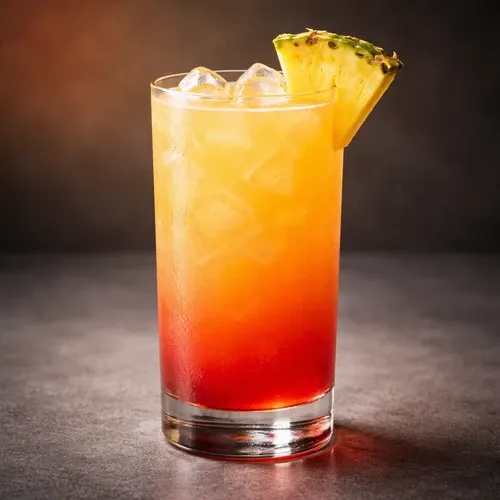
The only cocktail in our collection that features Coconut Rum as a key ingredient.