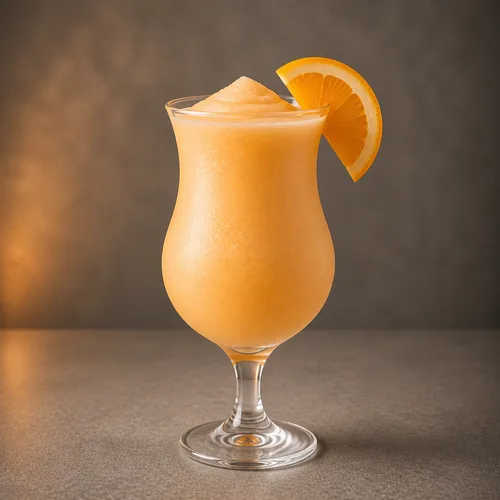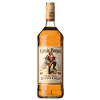
Spiced Rum
Alcoholic (~Typically 30–40% ABV) Spirits
Spiced rum is a flavored rum infused or aromatized with spices and flavorings such as vanilla, cinnamon, clove, nutmeg, and other botanicals. Built on a rum base, it emphasizes warmth, sweetness, and aromatic spice rather than pure sugarcane character.

Flavor & Technical
This section summarizes the sensory balance and technical behavior of Spiced Rum when used in cocktails, combining perceived flavor intensity with functional roles.
Flavor balance and intensity
Technical characteristics
How Spiced Rum works in cocktails
Spiced Rum is analyzed here as a working cocktail ingredient: how it changes flavor, what role it plays in a build, when it should be substituted, and which recipe patterns it supports.
Flavor role in cocktail balance
Spiced rum presents a warm, aromatic profile dominated by vanilla , baking spices, and caramelized sugar notes. The palate is round and often softly sweet, with spice-driven complexity layered over a rum base that can range from light to moderately rich. Compared to plain rum, spiced rum is less transparent and more dessert-oriented, prioritizing aroma and warmth over structural dryness.
Best uses behind the bar
Spiced rum serves as a flavored base spirit to add warmth, sweetness, and spice to mixed drinks. It performs particularly well in long drinks, warm or hot serves, and dessert-style preparations, where its vanilla and baking-spice notes enhance richness and comfort.
Substitutes in cocktail builds
Plain rum combined with vanilla , cinnamon , and baking-spice elements can approximate the flavor of spiced rum, though balance and sweetness may differ. To substitute spiced rum starting from a dry rum, use a lightly aged expression and add a drop of vanilla extract along with a barspoon of simple syrup to recreate warmth and roundness. Non-alcoholic substitutes typically rely on spice blends and extracts to recreate aroma but lack the body and warmth of alcohol.
Production and style context
Spiced rum developed as rum producers and consumers began adding spices and flavorings to enhance aroma and soften rougher distillates. Over time, it evolved into a distinct commercial category, particularly popular in colder climates and in seasonal or comfort-style drinks.
Mixology notes
Despite its historic associations, most modern spiced rums are not made to mask poor-quality spirit but are intentionally flavored products with carefully calibrated spice blends. Vanilla is the dominant note in many contemporary expressions, even when not explicitly listed on the label.
Explore cocktails with Spiced Rum
Use these child hubs to compare Spiced Rum across repeated cocktail patterns instead of reading recipes one by one. Each link groups recipes by a different structural signal.
By preparation method
Preparation method shows how Spiced Rum behaves under technique: shaken for integration, stirred for clarity, built for direct length, heated for warmth, or blended for texture.

By glass
Glassware reveals serving format and dilution strategy for Spiced Rum, separating short, spirit-led serves from tall, warm, frozen, or lengthened drinks.


Cocktails using Spiced Rum
All cocktails in our collection that feature Spiced Rum as a core ingredient.
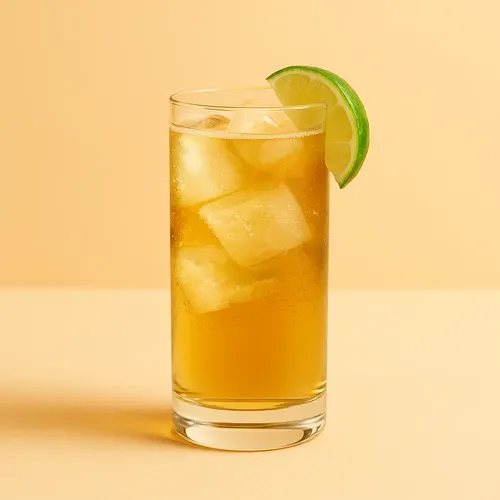
Cream Soda
Ingredients for Cream Soda — 3 total (3 shown).


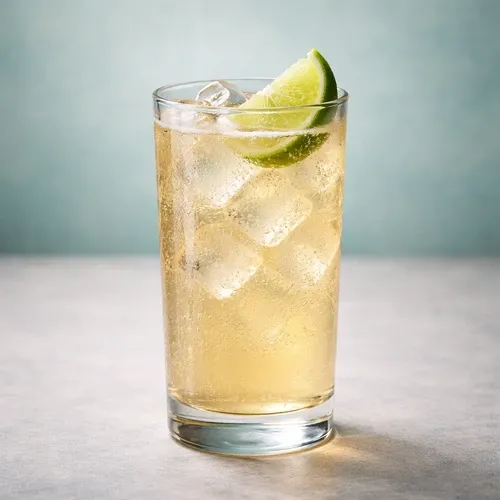
Happy Skipper
Ingredients for Happy Skipper — 3 total (3 shown).