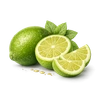
Lime
Non-Alcoholic (~0% ABV) Fresh Fruits (Solid/Garnish)
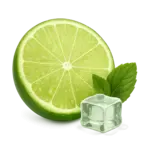
Lime is a fresh citrus fruit used as a wedge, wheel, muddled component, or aromatic accent in cocktails.

Flavor & Technical
This section summarizes the sensory balance and technical behavior of Lime when used in cocktails, combining perceived flavor intensity with functional roles.
Flavor balance and intensity
Technical characteristics
How Lime works in cocktails
Lime is analyzed here as a working cocktail ingredient: how it changes flavor, what role it plays in a build, when it should be substituted, and which recipe patterns it supports.
Flavor role in cocktail balance
Whole lime contributes more than juice alone. The flesh delivers sharp acidity, while the peel carries green citrus oils and a faint bitter edge from the pith. Gentle muddling releases both juice and oils; excessive pressure extracts bitterness. As a wedge or wheel, it provides fresh aroma and visual citrus presence.
Best uses behind the bar
Used in Caipirinhas, Mojitos, highballs, tropical drinks, beer cocktails, and citrus-forward serves where the fruit itself forms part of the ritual or visual identity. It may be squeezed, muddled, expressed, dropped into the glass, or used as a finishing accent.
Substitutes in cocktail builds
Lemon is the closest practical substitute but offers a softer yellow-citrus aroma. Lime juice can replace the acidic component of whole lime but will not replicate peel oils or visual impact. Dehydrated lime functions only as a visual or aromatic finish.
Production and style context
Limes are believed to have originated in Southeast Asia and spread through trade routes to Europe and the Americas. Their widespread use in beverages expanded alongside the growth of citrus-based drinks and modern cocktail culture, where lime became a foundational citrus element for both garnish and muddling techniques.
Mixology notes
Much of lime's aroma comes from terpenes in the peel oils, released by expressing the peel or lightly squeezing a wedge over the drink. In muddling, technique matters: excessive pressure or prolonged muddling increases pith contact and amplifies bitterness, while gentle muddling releases citrus juice and aromatics with cleaner balance.
Similar ingredients (by flavor & function)
Ingredients listed here share similar flavor characteristics or functional roles with Lime, making them comparable in certain cocktail contexts.
Comparable in recipe usage, but structured flavor data is incomplete for this ingredient.
Frequently paired with
These ingredients frequently appear alongside Lime in cocktail recipes, based on co-occurrence across the database.
Used with Lime in 37 cocktails
Used with Lime in 9 cocktails
Used with Lime in 4 cocktails
Used with Lime in 5 cocktails
Used with Lime in 4 cocktails
Explore cocktails with Lime
Use these child hubs to compare Lime across repeated cocktail patterns instead of reading recipes one by one. Each link groups recipes by a different structural signal.
By preparation method
Preparation method shows how Lime behaves under technique: shaken for integration, stirred for clarity, built for direct length, heated for warmth, or blended for texture.


By glass
Glassware reveals serving format and dilution strategy for Lime, separating short, spirit-led serves from tall, warm, frozen, or lengthened drinks.


Cocktails using Lime
A curated selection of cocktails that showcase Lime as a defining ingredient.
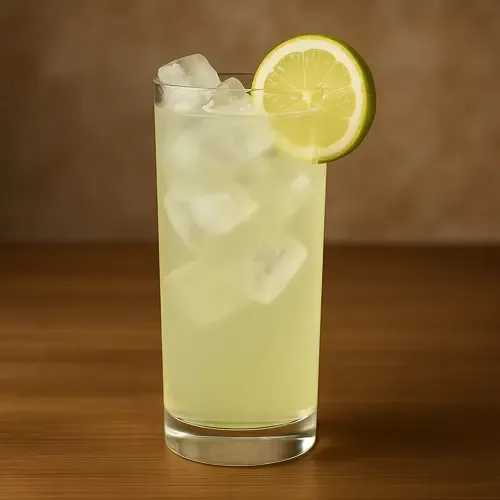
Absolut limousine

Ingredients for Absolut limousine — 4 total (3 shown, 1 more hidden).
+1

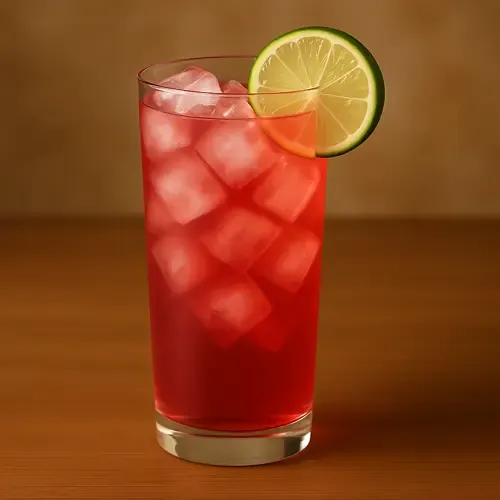
Absolut Sex
Ingredients for Absolut Sex — 5 total (3 shown, 2 more hidden).
+2
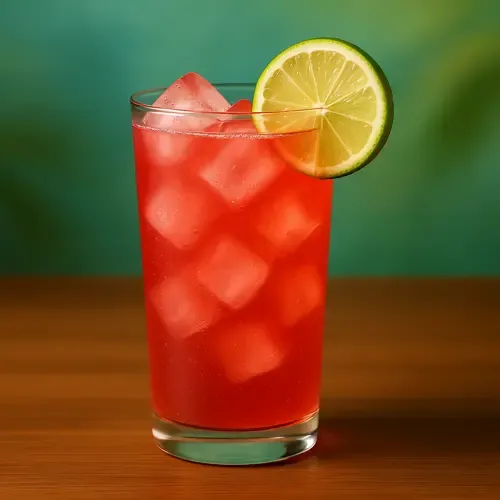
Absolutely Cranberry Smash
Ingredients for Absolutely Cranberry Smash — 5 total (3 shown, 2 more hidden).
+2