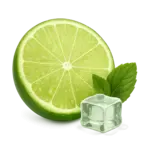
Lime Juice
Non-Alcoholic (~0% ABV) Citrus Juices
Lime juice is a fresh citrus juice used to provide sharp acidity, green citrus aroma, and structural balance in sours, tropical drinks, and highballs.

Flavor & Technical
This section summarizes the sensory balance and technical behavior of Lime Juice when used in cocktails, combining perceived flavor intensity with functional roles.
Flavor balance and intensity
Technical characteristics
How Lime Juice works in cocktails
Lime Juice is analyzed here as a working cocktail ingredient: how it changes flavor, what role it plays in a build, when it should be substituted, and which recipe patterns it supports.
Flavor role in cocktail balance
Lime juice delivers intense acidity with a dry, aromatic character marked by green citrus notes and subtle peel-like bitterness. Compared to lemon juice , it presents a sharper, more perfumed profile with distinctly tropical qualities. It rarely functions as a background ingredient—even small measures define the structural framework of Daiquiris, Margaritas, Mojitos, and numerous tiki drinks.
Best uses behind the bar
Serves as the primary acid component in Daiquiris, Margaritas, Mojitos, Caipirinhas, tiki drinks, sours, tropical highballs, and shaken citrus cocktails. Fresh lime juice is strongly preferred, as bottled juice loses volatile aromatic oils and often tastes flat or cooked.
Substitutes in cocktail builds
Lemon juice can substitute when adjusted for its softer, less green acidity. Grapefruit juice requires supplemental acid to match lime 's sharpness. Citric-malic acid solutions replicate acidity but cannot reproduce fresh lime aroma.
Production and style context
Lime juice has been used for centuries in food and beverages and became widely recognized in the eighteenth and nineteenth centuries for its role in preventing scurvy among sailors. Its use in mixed drinks expanded with the development of modern cocktail culture.
Mixology notes
Fresh lime juice oxidizes rapidly after extraction, resulting in loss of aromatic intensity. For optimal balance and flavor, it should be used shortly after juicing rather than stored for extended periods.
Frequently paired with
These ingredients frequently appear alongside Lime Juice in cocktail recipes, based on co-occurrence across the database.
Used with Lime Juice in 14 cocktails
Used with Lime Juice in 13 cocktails
Used with Lime Juice in 7 cocktails
Used with Lime Juice in 4 cocktails
Explore cocktails with Lime Juice
Use these child hubs to compare Lime Juice across repeated cocktail patterns instead of reading recipes one by one. Each link groups recipes by a different structural signal.
By preparation method
Preparation method shows how Lime Juice behaves under technique: shaken for integration, stirred for clarity, built for direct length, heated for warmth, or blended for texture.


By glass
Glassware reveals serving format and dilution strategy for Lime Juice, separating short, spirit-led serves from tall, warm, frozen, or lengthened drinks.


Cocktails using Lime Juice
A curated selection of cocktails that showcase Lime Juice as a defining ingredient.
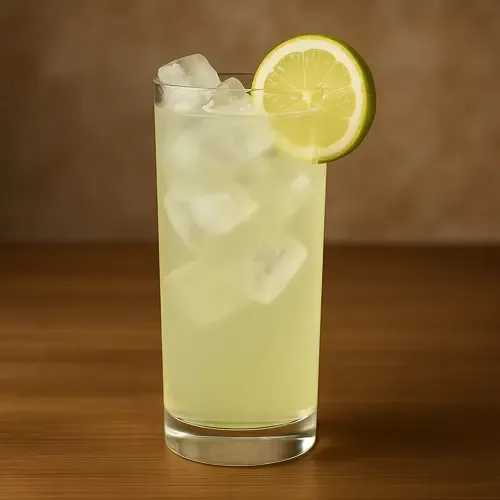
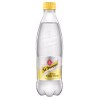
Absolut limousine

Ingredients for Absolut limousine — 4 total (3 shown, 1 more hidden).
+1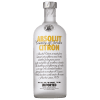

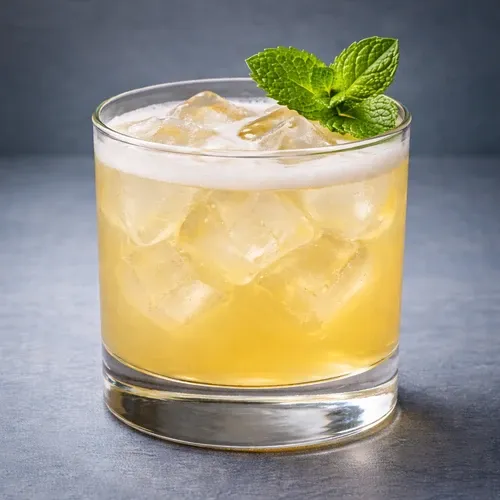
Acapulco
Ingredients for Acapulco — 6 total (3 shown, 3 more hidden).
+3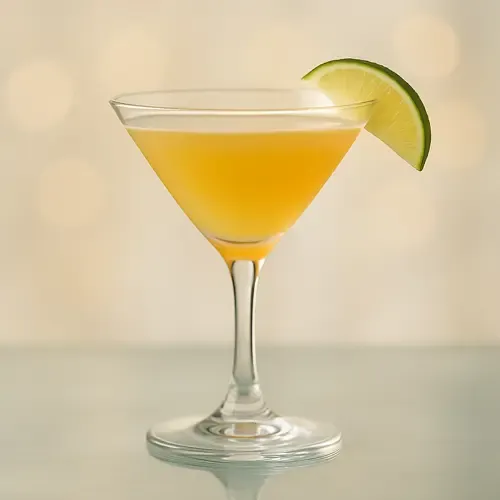
After Dinner

Ingredients for After Dinner — 4 total (3 shown, 1 more hidden).
+1