Light Rum
Alcoholic (~40% ABV) Spirits
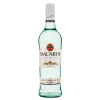
Light rum is a clear or very lightly colored rum produced from sugarcane byproducts, typically molasses. It is known for its clean, mild profile and is widely used as a base spirit in cocktails where freshness, balance, and mixability are prioritized over heavy barrel influence.

Flavor & Technical
This section summarizes the sensory balance and technical behavior of Light Rum when used in cocktails, combining perceived flavor intensity with functional roles.
Flavor balance and intensity
Technical characteristics
How Light Rum works in cocktails
Light Rum is analyzed here as a working cocktail ingredient: how it changes flavor, what role it plays in a build, when it should be substituted, and which recipe patterns it supports.
Flavor role in cocktail balance
Light rum presents a clean, lightly sweet profile with subtle notes of sugarcane, vanilla , and faint tropical fruit . Oak influence and perceived heaviness remain minimal, offering a smooth, neutral backbone that integrates easily with citrus, mint , and fruit-forward ingredients. Compared to aged or dark rums, its character is restrained, emphasizing clarity and drinkability rather than depth from maturation.
Best uses behind the bar
Light rum serves primarily as a base spirit in refreshing and citrus-driven cocktails. It is essential in classics such as the Mojito and Daiquiri , and plays a central role in tropical drinks like the Piña Colada . Its clean structure allows other ingredients—fresh citrus juice, sugar , herbs, and fruit—to remain clearly defined, making it a foundational spirit in both classic and modern mixology.
Substitutes in cocktail builds
White rum or silver rum are the closest substitutes, as these terms are often used interchangeably in practice, depending on producer and market. Vodka can replace light rum structurally in some cocktails, providing alcohol and neutrality, but it removes the subtle sugarcane sweetness and rum identity, resulting in a noticeably different flavor profile.
Production and style context
Rum originated in the Caribbean from the distillation of sugarcane byproducts and became widely produced from the 17th century onward. Lighter styles developed alongside advances in distillation and filtration, particularly in Spanish-influenced rum-producing regions, and became closely associated with tropical and refreshing cocktail traditions.
Mixology notes
Despite its clear appearance, light rum is often briefly aged and then charcoal-filtered to remove color while retaining a smooth profile. Many assume white rum is unaged, but it is frequently a technically refined product designed for clarity without sacrificing softness. Its versatility and mild character have made it one of the most commonly used base spirits in cocktail history, particularly in drinks designed for warm climates and casual consumption.
Similar ingredients (by flavor & function)
Ingredients listed here share similar flavor characteristics or functional roles with Light Rum, making them comparable in certain cocktail contexts.
Frequently paired with
These ingredients frequently appear alongside Light Rum in cocktail recipes, based on co-occurrence across the database.
Used with Light Rum in 14 cocktails
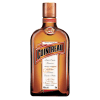
Used with Light Rum in 9 cocktails
Used with Light Rum in 6 cocktails
Explore cocktails with Light Rum
Use these child hubs to compare Light Rum across repeated cocktail patterns instead of reading recipes one by one. Each link groups recipes by a different structural signal.
By preparation method
Preparation method shows how Light Rum behaves under technique: shaken for integration, stirred for clarity, built for direct length, heated for warmth, or blended for texture.


By glass
Glassware reveals serving format and dilution strategy for Light Rum, separating short, spirit-led serves from tall, warm, frozen, or lengthened drinks.


Cocktails using Light Rum
A curated selection of cocktails that showcase Light Rum as a defining ingredient.
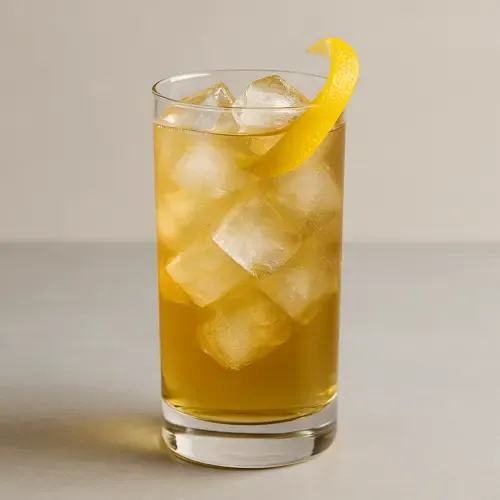
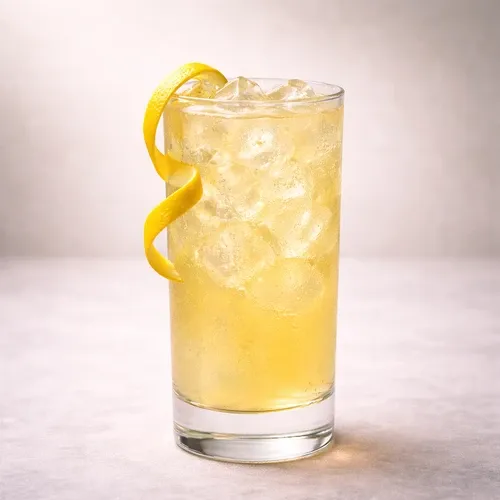
A Furlong Too Late
Ingredients for A Furlong Too Late — 3 total (3 shown).

A Night In Old Mandalay
Ingredients for A Night In Old Mandalay — 6 total (3 shown, 3 more hidden).
+3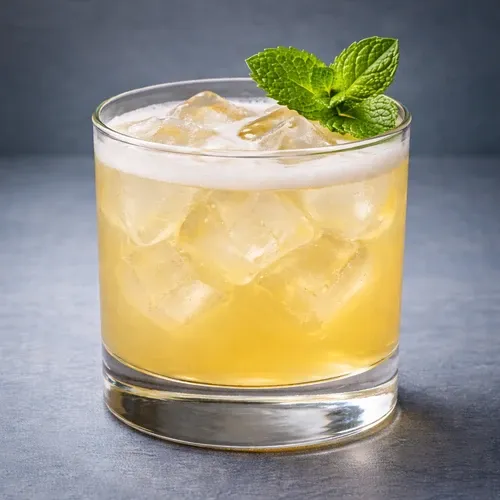
Acapulco
Ingredients for Acapulco — 6 total (3 shown, 3 more hidden).
+3