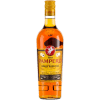
Añejo Rum
Alcoholic (~40% ABV (typical for añejo rum)) Spirits
Añejo rum is an aged style defined by extended maturation in oak barrels, which imparts depth, smoothness, and layered complexity. Compared to unaged or lightly aged styles, añejo rum offers a richer, more rounded profile suited to refined tropical cocktails and spirit-forward builds.

Flavor & Technical
This section summarizes the sensory balance and technical behavior of Añejo Rum when used in cocktails, combining perceived flavor intensity with functional roles.
Flavor balance and intensity
Technical characteristics
How Añejo Rum works in cocktails
Añejo Rum is analyzed here as a working cocktail ingredient: how it changes flavor, what role it plays in a build, when it should be substituted, and which recipe patterns it supports.
Flavor role in cocktail balance
Añejo rum presents a warm, structured flavor profile shaped primarily by oak aging. Common characteristics include caramelized sugar , vanilla , toasted oak, and soft baking spices, supported by underlying molasses or cane-derived sweetness. The palate is smooth and cohesive, with softened alcohol presence, moderate sweetness, and a lingering, gently spiced finish enhanced by subtle toasted-wood nuances.
Best uses behind the bar
Añejo rum is used in cocktails where barrel influence and smoothness are desired. It is particularly suited to spirit-forward builds, aged-rum interpretations of classic stirred structures, and refined tropical cocktails where oak character adds body and depth without overpowering balance. Its versatility allows it to bridge traditional tropical mixology and more contemplative, spirit-led serves.
Substitutes in cocktail builds
When añejo rum is unavailable, well-integrated dark rum or longer-aged gold rum can serve as substitutes, though they may introduce heavier molasses notes or additional sweetness. Spiced rum is generally not recommended, as added botanicals and sweeteners can distort the clean, oak-driven profile that defines true añejo styles.
Production and style context
The term "añejo," derived from Spanish, means "aged" and refers to rums that undergo extended maturation in oak barrels. This style is closely associated with Caribbean and Latin American rum traditions influenced by Spanish distillation and aging practices, where barrel aging plays a central role in defining character and quality.
Mixology notes
Añejo rum is typically aged for one year or more, with climate, barrel type, and aging duration significantly shaping its final profile. Warmer aging environments accelerate wood interaction, contributing to richer texture, deeper color, and pronounced vanilla and spice notes.
Similar ingredients (by flavor & function)
Ingredients listed here share similar flavor characteristics or functional roles with Añejo Rum, making them comparable in certain cocktail contexts.
Comparable in recipe usage, but structured flavor data is incomplete for this ingredient.
Comparable in recipe usage, but structured flavor data is incomplete for this ingredient.
Comparable in recipe usage, but structured flavor data is incomplete for this ingredient.
Explore cocktails with Añejo Rum
Use these child hubs to compare Añejo Rum across repeated cocktail patterns instead of reading recipes one by one. Each link groups recipes by a different structural signal.
By preparation method
Preparation method shows how Añejo Rum behaves under technique: shaken for integration, stirred for clarity, built for direct length, heated for warmth, or blended for texture.

By glass
Glassware reveals serving format and dilution strategy for Añejo Rum, separating short, spirit-led serves from tall, warm, frozen, or lengthened drinks.


Cocktails using Añejo Rum
All cocktails in our collection that feature Añejo Rum as a core ingredient.
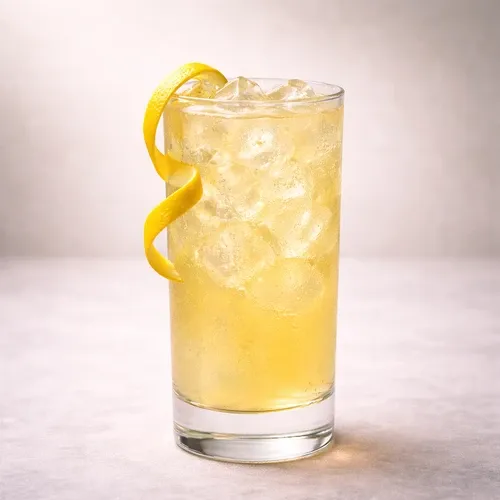
A Night In Old Mandalay

Ingredients for A Night In Old Mandalay — 6 total (3 shown, 3 more hidden).
+3