Gold Rum
Alcoholic (~40% ABV) Spirits
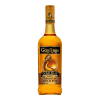
Gold rum is a style of rum typically produced from molasses and aged for a moderate period in wooden barrels, resulting in a golden or amber color. It occupies a middle ground between light and dark rum styles, balancing mild oak influence with retained sugarcane character.

Flavor & Technical
This section summarizes the sensory balance and technical behavior of Gold Rum when used in cocktails, combining perceived flavor intensity with functional roles.
Flavor balance and intensity
Technical characteristics
How Gold Rum works in cocktails
Gold Rum is analyzed here as a working cocktail ingredient: how it changes flavor, what role it plays in a build, when it should be substituted, and which recipe patterns it supports.
Flavor role in cocktail balance
Gold rum presents a mellow, smooth, and moderately rich profile with notes of caramel, vanilla , and light oak derived from barrel aging. Subtle tropical fruit and sugarcane aromas often remain present, contributing softness and approachability. Sweetness is moderate, body is rounded but not heavy, and the finish is warm and balanced rather than intense, smoky, or heavily molasses-driven.
Best uses behind the bar
Gold rum serves as a versatile base spirit when a balance between lightness and richness is desired. It is often preferred in cola-based long drinks where a hint of oak and caramel adds depth beyond a clean white rum . It also performs well in structured, citrus-forward rum builds where a slightly aged backbone and mellow texture improve roundness without turning the drink heavy or dark.
Substitutes in cocktail builds
Aged rum provides the closest structural replacement, depending on aging length. Light rum can substitute when a cleaner profile is acceptable; to mimic gold rum's mild caramel note, a small amount of muscovado sugar syrup can be added to restore depth. Dark rum offers a richer, more molasses-driven alternative that will increase weight and perceived sweetness. Grain-based spirits such as whiskey may replicate warmth and oak influence but significantly alter the sugarcane character.
Production and style context
Gold rum developed as barrel aging became more common in Caribbean rum production, allowing producers to create styles with added depth while maintaining approachability. Its balanced profile made it popular in both maritime trade and early mixed-drink traditions.
Mixology notes
Gold rum is sometimes referred to as amber rum due to its color, which may result from barrel aging, blending, or controlled use of caramel coloring . Color alone does not always indicate age, as production methods vary widely between producers.
Similar ingredients (by flavor & function)
Ingredients listed here share similar flavor characteristics or functional roles with Gold Rum, making them comparable in certain cocktail contexts.
Comparable in recipe usage, but structured flavor data is incomplete for this ingredient.
Comparable in recipe usage, but structured flavor data is incomplete for this ingredient.
Comparable in recipe usage, but structured flavor data is incomplete for this ingredient.
Explore cocktails with Gold Rum
Use these child hubs to compare Gold Rum across repeated cocktail patterns instead of reading recipes one by one. Each link groups recipes by a different structural signal.
By preparation method
Preparation method shows how Gold Rum behaves under technique: shaken for integration, stirred for clarity, built for direct length, heated for warmth, or blended for texture.


Cocktails using Gold Rum
All cocktails in our collection that feature Gold Rum as a core ingredient.
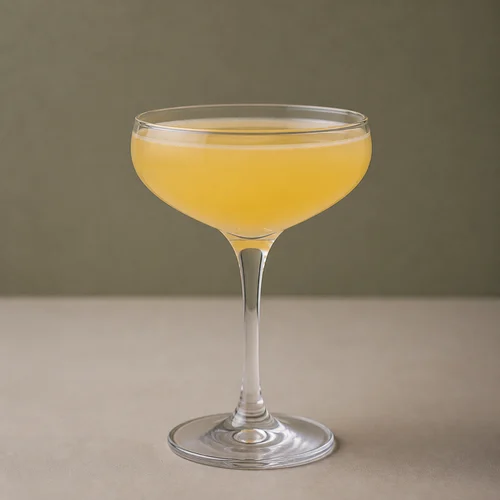
Don's Special Daiquiri

Ingredients for Don's Special Daiquiri — 5 total (3 shown, 2 more hidden).
+2