Sugar Syrup
Non-Alcoholic (~0% ABV) Syrups & Sweeteners
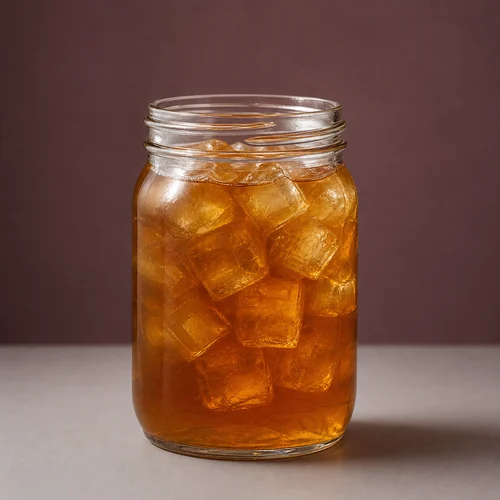
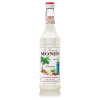
Sugar syrup, also known as simple syrup, is a liquid sweetener made by dissolving sugar in water. It is widely used in cocktails to add sweetness in a controlled, easily mixable form, allowing precise balance without affecting clarity or texture.

Flavor & Technical
This section summarizes the sensory balance and technical behavior of Sugar Syrup when used in cocktails, combining perceived flavor intensity with functional roles.
Flavor balance and intensity
Technical characteristics
How Sugar Syrup works in cocktails
Sugar Syrup is analyzed here as a working cocktail ingredient: how it changes flavor, what role it plays in a build, when it should be substituted, and which recipe patterns it supports.
Flavor role in cocktail balance
Sugar syrup offers clean, neutral sweetness with no aromatic intensity when made with white sugar . Its flavor impact is minimal by design, serving to enhance and balance other ingredients rather than assert its own character. The mouthfeel is smooth and light, contributing sweetness without heaviness.
Best uses behind the bar
Sugar syrup is a foundational sweetener in classic and modern cocktails. It is essential in drinks such as the Mojito , Daiquiri , Margarita , and numerous sour and long-drink constructions. Its liquid form allows it to integrate instantly, making it preferable to granulated sugar in cold or lightly mixed drinks.
Substitutes in cocktail builds
Honey syrup , agave syrup , or maple syrup can replace sugar syrup, each introducing distinct flavor notes and varying sweetness levels. When substituting, adjustments are often required to account for differences in viscosity, aromatic intensity, and perceived sweetness compared to neutral sugar syrup.
Production and style context
The use of sugar dissolved in water predates modern cocktail culture, but sugar syrup became standardized in the early 19th century as mixed drinks evolved. Its adoption simplified sweetening techniques behind the bar and helped establish consistent cocktail ratios in both classic and contemporary recipes.
Mixology notes
Sugar syrup is used in different ratios depending on the desired sweetness, dilution, and shelf stability. The standard form is simple syrup (1:1), made with equal parts sugar and water , valued for its balanced sweetness and easy integration in cocktails. Rich syrup (2:1) contains a higher proportion of sugar, delivering greater sweetening power, reduced dilution, and improved shelf life, making it a common choice in professional bars. These variations allow bartenders to fine-tune balance, texture, and stability without altering the aromatic profile of a drink.
Frequently paired with
These ingredients frequently appear alongside Sugar Syrup in cocktail recipes, based on co-occurrence across the database.
Used with Sugar Syrup in 16 cocktails
Used with Sugar Syrup in 7 cocktails
Explore cocktails with Sugar Syrup
Use these child hubs to compare Sugar Syrup across repeated cocktail patterns instead of reading recipes one by one. Each link groups recipes by a different structural signal.
By preparation method
Preparation method shows how Sugar Syrup behaves under technique: shaken for integration, stirred for clarity, built for direct length, heated for warmth, or blended for texture.


By glass
Glassware reveals serving format and dilution strategy for Sugar Syrup, separating short, spirit-led serves from tall, warm, frozen, or lengthened drinks.


Cocktails using Sugar Syrup
A curated selection of cocktails that showcase Sugar Syrup as a defining ingredient.
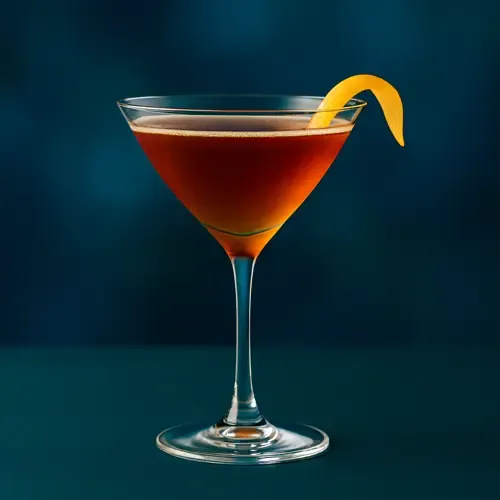
Adios Amigos
Ingredients for Adios Amigos — 7 total (3 shown, 4 more hidden).
+4


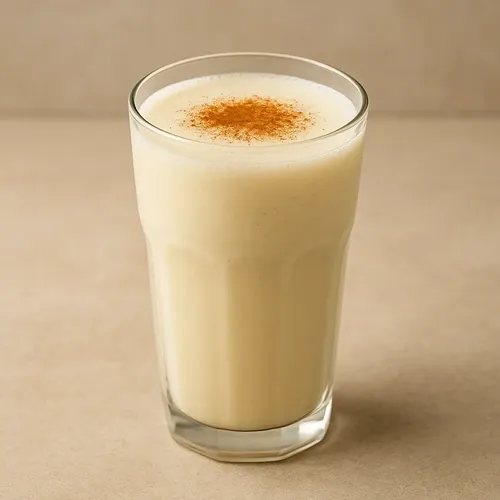
Banana Milk Shake
Ingredients for Banana Milk Shake — 5 total (3 shown, 2 more hidden).
+2

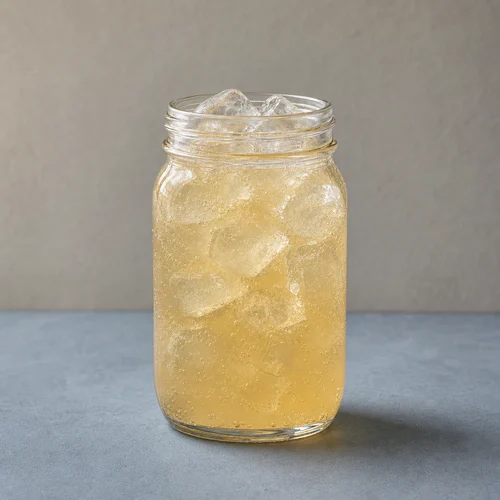
Bourbon Lemonade

Ingredients for Bourbon Lemonade — 4 total (3 shown, 1 more hidden).
+1