Iced Tea
Non-Alcoholic (~0% ABV) Non-Carbonated Mixers
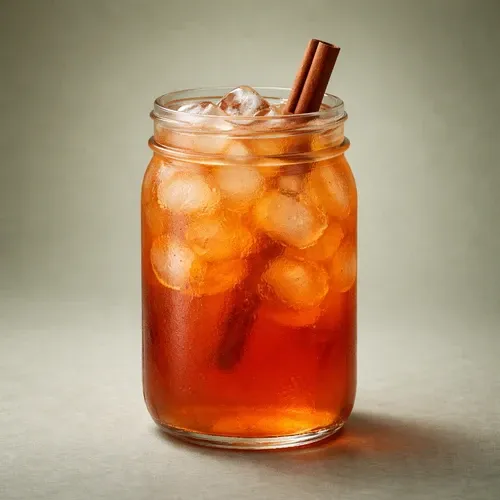
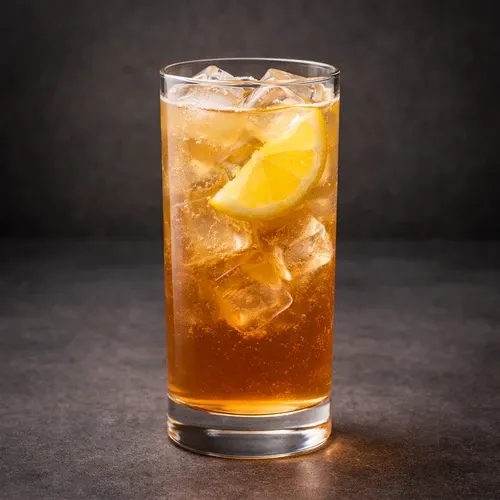
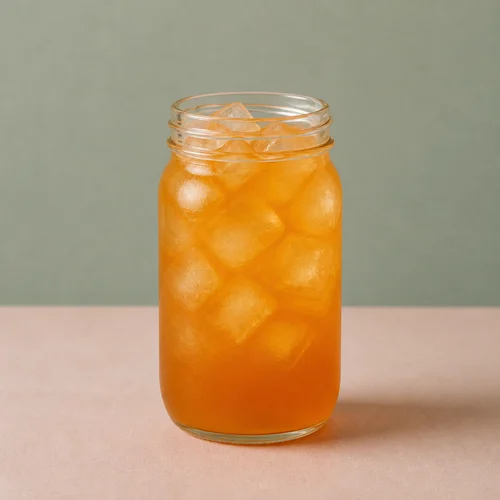
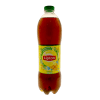
Iced tea is chilled brewed tea used in cocktails as a tannic, non-carbonated mixer that adds dilution, tea aroma, dryness, and refreshing length.

Flavor & Technical
This section summarizes the sensory balance and technical behavior of Iced Tea when used in cocktails, combining perceived flavor intensity with functional roles.
Flavor balance and intensity
Technical characteristics
How Iced Tea works in cocktails
Iced Tea is analyzed here as a working cocktail ingredient: how it changes flavor, what role it plays in a build, when it should be substituted, and which recipe patterns it supports.
Flavor role in cocktail balance
Iced tea is dry, lightly bitter, tannic, earthy, and refreshing, with flavor varying by tea type. Black tea contributes structure and astringency, green tea offers grassy, lighter notes, and sweet tea introduces sugar alongside tea character. In cocktails it provides length without carbonation and can render spirits more food-friendly and less cloying.
Explore cocktails with Iced Tea
Use these child hubs to compare Iced Tea across repeated cocktail patterns instead of reading recipes one by one. Each link groups recipes by a different structural signal.
By preparation method
Preparation method shows how Iced Tea behaves under technique: shaken for integration, stirred for clarity, built for direct length, heated for warmth, or blended for texture.

By glass
Glassware reveals serving format and dilution strategy for Iced Tea, separating short, spirit-led serves from tall, warm, frozen, or lengthened drinks.


Cocktails using Iced Tea
A curated selection of cocktails that showcase Iced Tea as a defining ingredient.
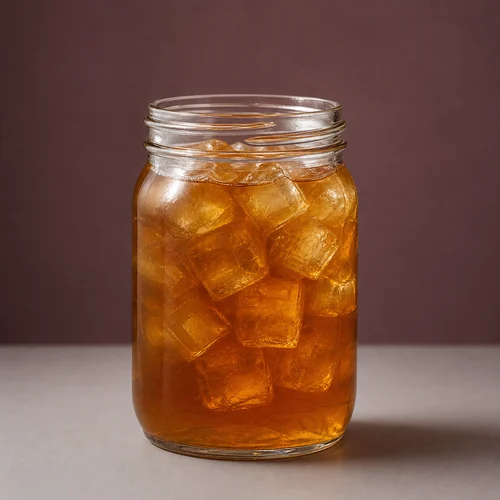
Bourbon Sweet Tea
Ingredients for Bourbon Sweet Tea — 4 total (3 shown, 1 more hidden).
+1