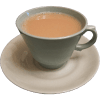
Tea
Non-Alcoholic (~0% ABV) Non-Carbonated Mixers
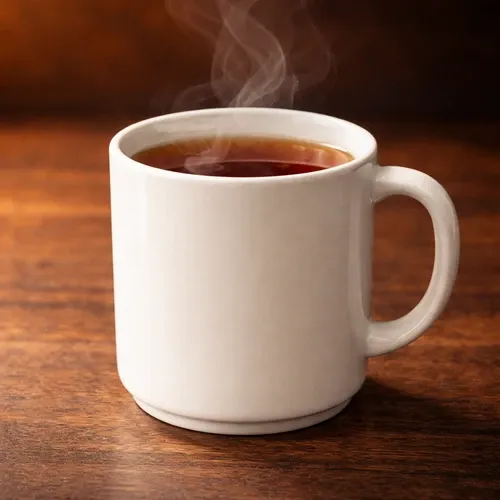
Tea is a beverage made from the leaves of the Camellia sinensis plant. It can be enjoyed hot or cold, with flavor profiles ranging from earthy and floral to fruity and spicy.

Flavor & Technical
This section summarizes the sensory balance and technical behavior of Tea when used in cocktails, combining perceived flavor intensity with functional roles.
Flavor balance and intensity
Technical characteristics
How Tea works in cocktails
Tea is analyzed here as a working cocktail ingredient: how it changes flavor, what role it plays in a build, when it should be substituted, and which recipe patterns it supports.
Flavor role in cocktail balance
Tea contributes tannin, dried leaf aroma, light bitterness, and style-dependent floral, malty, or spiced notes. In iced drinks it provides structure without alcohol.
Best uses behind the bar
Used in iced teas, punches, hot toddies, milk teas, non-alcoholic coolers, and tea-infused cocktails.
Substitutes in cocktail builds
Black tea, Thai tea mix, green tea, oolong, or herbal tea can substitute depending on the intended aroma and tannin profile.
Production and style context
Tea originated in China and spread globally through trade and cultural exchange, becoming a staple beverage across continents.
Mixology notes
Tea is the second most consumed beverage worldwide after water . It includes black, green, white, oolong, and herbal varieties, each with distinct characteristics.
Often paired with
These ingredients frequently appear alongside Tea in cocktail recipes, based on co-occurrence across the database.
Used with Tea in 4 cocktails
Explore cocktails with Tea
Use these child hubs to compare Tea across repeated cocktail patterns instead of reading recipes one by one. Each link groups recipes by a different structural signal.
By preparation method
Preparation method shows how Tea behaves under technique: shaken for integration, stirred for clarity, built for direct length, heated for warmth, or blended for texture.

By glass
Glassware reveals serving format and dilution strategy for Tea, separating short, spirit-led serves from tall, warm, frozen, or lengthened drinks.


Cocktails using Tea
A curated selection of cocktails that showcase Tea as a defining ingredient.
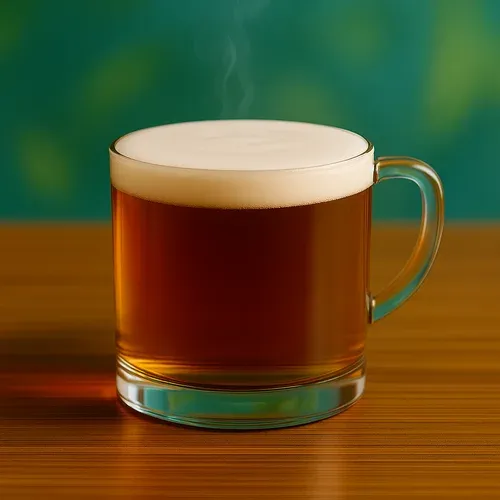
Amaretto Tea
Ingredients for Amaretto Tea — 3 total (3 shown).

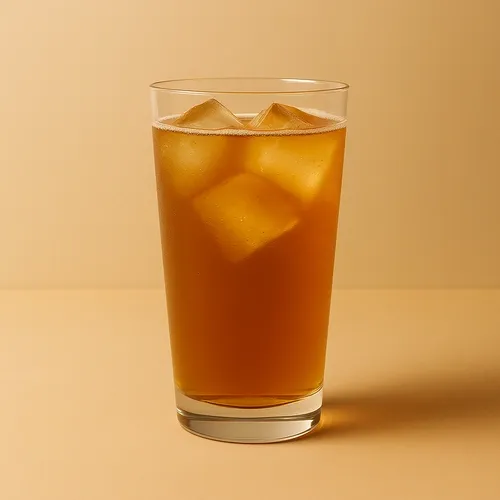
Arizona Stingers
Ingredients for Arizona Stingers — 3 total (3 shown).
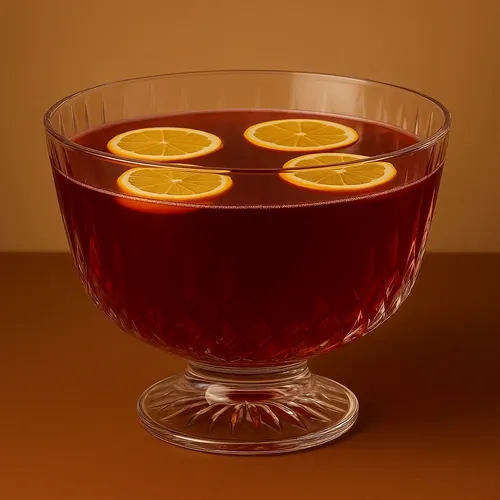
Artillery Punch


Ingredients for Artillery Punch — 9 total (3 shown, 6 more hidden).
+6