Rye Whiskey
Alcoholic (~Typically 40–50% ABV) Spirits
Rye whiskey is a style of whiskey made primarily from rye grain, known for its firm structure and pronounced spicy character. Produced mainly in the United States and Canada, it is distilled and typically aged in oak, resulting in a spirit that balances grain-driven spice with wood-derived depth.

Flavor & Technical
This section summarizes the sensory balance and technical behavior of Rye Whiskey when used in cocktails, combining perceived flavor intensity with functional roles.
Flavor balance and intensity
Technical characteristics
How Rye Whiskey works in cocktails
Rye Whiskey is analyzed here as a working cocktail ingredient: how it changes flavor, what role it plays in a build, when it should be substituted, and which recipe patterns it supports.
Flavor role in cocktail balance
Rye whiskey is defined by its spicy, dry, and assertive profile. Black pepper , baking spice, and herbal grain notes lead the palate, supported by hints of orchard fruit , citrus peel, and oak. Compared to bourbon , rye is leaner and less sweet, with a drier finish and a sharper, more angular structure that cuts cleanly through sweet modifiers in cocktails.
Best uses behind the bar
Rye whiskey serves as a base spirit in spirit-forward and stirred cocktails where structure and spice are desired. Its dryness and peppery character balance sweet vermouths, fortified wines, and sugar-based modifiers without becoming cloying, making it a foundational choice for many classic builds.
Substitutes in cocktail builds
Bourbon is the most common substitute for rye whiskey, offering similar body and oak influence but with noticeably more sweetness and less spice. High-rye bourbons can partially replicate rye's structure, though they lack its distinctive grain-driven sharpness. Canadian rye-style whiskies may also substitute, depending on sweetness and aging profile.
Production and style context
Rye whiskey has deep roots in North American distilling, particularly in the northeastern United States during the colonial period. It became the dominant American whiskey style in the 19th century and played a central role in early cocktail culture before declining after Prohibition and later experiencing a modern revival.
Mixology notes
In the United States, rye whiskey must be made from a mash bill containing at least 51% rye grain and aged in new charred oak. This high rye content is responsible for the spirit's signature spice and dryness, which historically made it a preferred whiskey for early bartenders.
Frequently paired with
These ingredients frequently appear alongside Rye Whiskey in cocktail recipes, based on co-occurrence across the database.
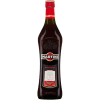
Used with Rye Whiskey in 5 cocktails
Explore cocktails with Rye Whiskey
Use these child hubs to compare Rye Whiskey across repeated cocktail patterns instead of reading recipes one by one. Each link groups recipes by a different structural signal.
By preparation method
Preparation method shows how Rye Whiskey behaves under technique: shaken for integration, stirred for clarity, built for direct length, heated for warmth, or blended for texture.


By glass
Glassware reveals serving format and dilution strategy for Rye Whiskey, separating short, spirit-led serves from tall, warm, frozen, or lengthened drinks.


Cocktails using Rye Whiskey
A curated selection of cocktails that showcase Rye Whiskey as a defining ingredient.
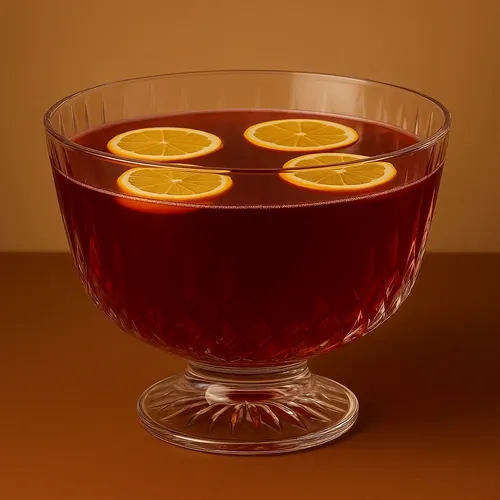
Artillery Punch


Ingredients for Artillery Punch — 9 total (3 shown, 6 more hidden).
+6


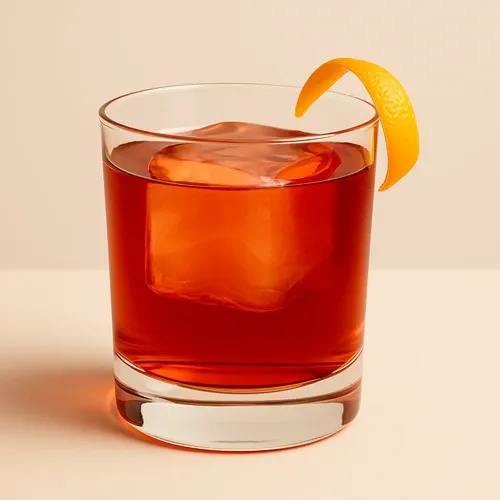
Boulevardier
Ingredients for Boulevardier — 4 total (3 shown, 1 more hidden).
+1
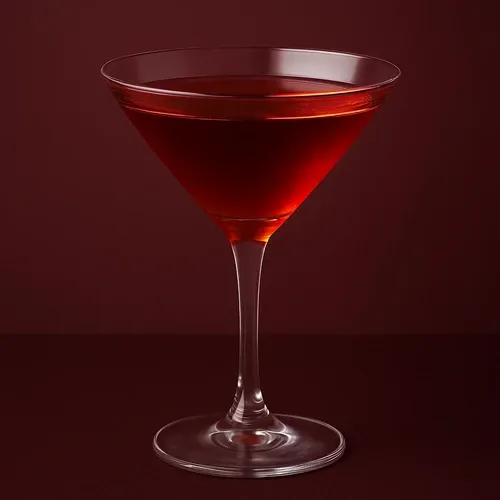
Brooklyn

Ingredients for Brooklyn — 4 total (3 shown, 1 more hidden).
+1