Bourbon
Alcoholic (~45% ABV) Spirits
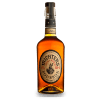
Bourbon is an American whiskey produced primarily from corn and aged in new charred oak barrels. By law, it must contain at least 51% corn in the mash bill, which contributes to its characteristic sweetness and rounded body. The use of new charred oak imparts rich barrel-driven flavors and defines bourbon's distinctive profile.

Flavor & Technical
This section summarizes the sensory balance and technical behavior of Bourbon when used in cocktails, combining perceived flavor intensity with functional roles.
Flavor balance and intensity
Technical characteristics
How Bourbon works in cocktails
Bourbon is analyzed here as a working cocktail ingredient: how it changes flavor, what role it plays in a build, when it should be substituted, and which recipe patterns it supports.
Flavor role in cocktail balance
Bourbon displays a rich, full-bodied profile driven by corn sweetness and intense oak influence. Prominent notes of vanilla , caramel, and toasted wood are common, supported by warm baking spices and a soft smoky undertone from barrel charring. Many bourbons also show nutty or roasted notes—hazelnut or peanut-like—that add depth alongside the sweeter barrel tones. Compared to other whiskies, bourbon is generally sweeter, rounder, and more expressive on the palate.
Best uses behind the bar
Bourbon is widely used as a base spirit in spirit-forward stirred drinks, where its barrel sweetness and oak structure provide backbone and length. It also performs exceptionally well in vermouth-leaning stirred builds, where its roundness balances herbal sweetness and bitterness. In the sour family, bourbon's vanilla-caramel weight pairs well with citrus acidity and textured foams, delivering a fuller, more aromatic result than lighter whiskies. It is also a classic choice for mint-driven, crushed-ice serves, where its sweetness and baking-spice notes remain present even at higher dilution. Beyond cocktails, bourbon is frequently used in culinary applications such as sauces, glazes, and desserts for its rich, caramelized oak character.
Substitutes in cocktail builds
Rye whiskey is a historically common substitution when a drier, spicier profile is acceptable, though it often benefits from a small sweetness adjustment to restore balance. Tennessee whiskey offers a softer, charcoal-mellowed alternative with similar sweetness and oak structure. Other American whiskeys may function structurally, but each substitution will noticeably shift aromatic emphasis and perceived sweetness.
Production and style context
Bourbon originated in the United States in the late 18th century, with strong historical ties to Kentucky, where climate and abundant corn supported its development. The style evolved alongside American frontier distilling traditions and became formally defined through legal standards that codified its mash bill and aging requirements.
Mixology notes
Bourbon is legally recognized as a distinctive product of the United States and is subject to strict production regulations. It must be aged in new, charred oak barrels and cannot contain additives for flavor or color, making barrel aging the sole source of its characteristic sweetness, color, and aroma.
Frequently paired with
These ingredients frequently appear alongside Bourbon in cocktail recipes, based on co-occurrence across the database.
Used with Bourbon in 7 cocktails
Used with Bourbon in 6 cocktails
Explore cocktails with Bourbon
Use these child hubs to compare Bourbon across repeated cocktail patterns instead of reading recipes one by one. Each link groups recipes by a different structural signal.
By preparation method
Preparation method shows how Bourbon behaves under technique: shaken for integration, stirred for clarity, built for direct length, heated for warmth, or blended for texture.


By glass
Glassware reveals serving format and dilution strategy for Bourbon, separating short, spirit-led serves from tall, warm, frozen, or lengthened drinks.


Cocktails using Bourbon
A curated selection of cocktails that showcase Bourbon as a defining ingredient.
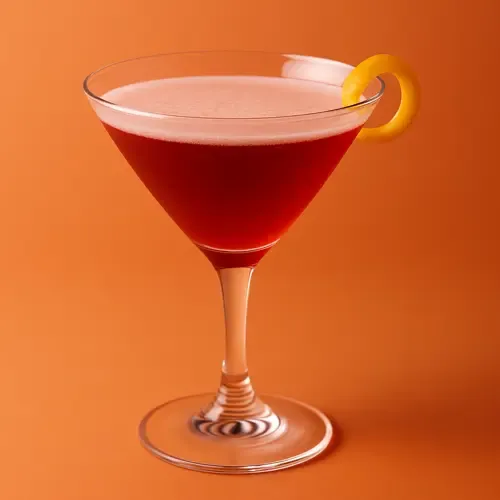
Allegheny

Ingredients for Allegheny — 5 total (3 shown, 2 more hidden).
+2

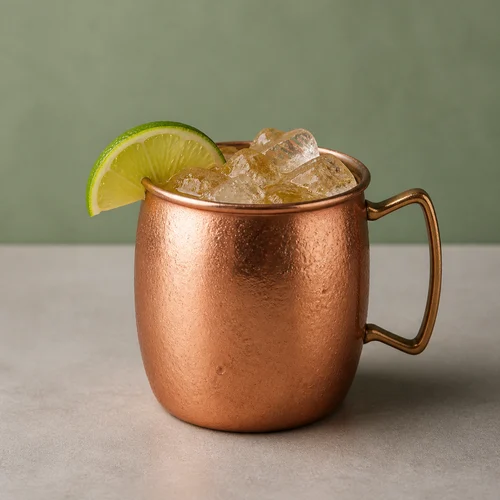
Apple Cider Mule
Ingredients for Apple Cider Mule — 5 total (3 shown, 2 more hidden).
+2
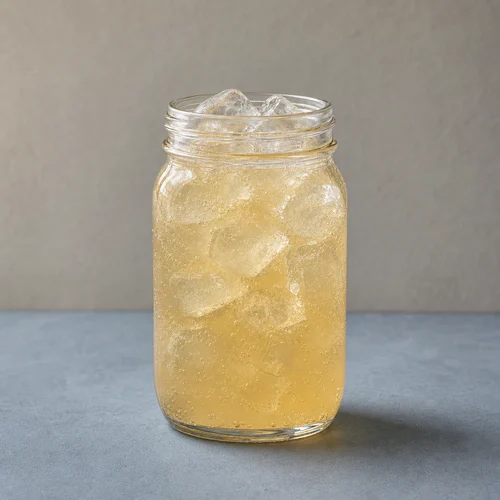
Bourbon Lemonade
Ingredients for Bourbon Lemonade — 4 total (3 shown, 1 more hidden).
+1