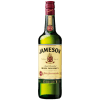
Irish Whiskey
Alcoholic (~40% ABV) Spirits
Irish whiskey is a style of whiskey produced in Ireland, traditionally made from a combination of malted and unmalted barley and commonly triple-distilled for smoothness. It is aged in oak barrels and is known for its approachable, clean profile, with minimal smokiness compared to peated whiskey styles.

Flavor & Technical
This section summarizes the sensory balance and technical behavior of Irish Whiskey when used in cocktails, combining perceived flavor intensity with functional roles.
Flavor balance and intensity
Technical characteristics
How Irish Whiskey works in cocktails
Irish Whiskey is analyzed here as a working cocktail ingredient: how it changes flavor, what role it plays in a build, when it should be substituted, and which recipe patterns it supports.
Flavor role in cocktail balance
Irish whiskey presents a smooth and balanced profile with notes of malted grain, light oak, vanilla , and subtle orchard fruit . The texture is soft and slightly creamy, with gentle sweetness and restrained spice, prioritizing drinkability over intensity or smoke.
Best uses behind the bar
Irish whiskey serves as a versatile base when a soft and approachable whiskey backbone is desired. It performs well in warm serves, lightly sweetened preparations, and long drinks where smoothness and balance take precedence over aggressive spice or smoke.
Substitutes in cocktail builds
Other smooth and lightly styled whiskies can substitute for Irish whiskey. Canadian whisky provides a similar emphasis on smoothness and immediate drinkability, while bourbon offers a sweeter, more oak-forward alternative. Heavily peated or high-rye whiskies are less suitable due to their dominant character.
Production and style context
Irish whiskey has a documented history dating back to the medieval period, with distillation practices in Ireland recorded as early as the 12th century. It achieved global prominence in the 19th century before declining in the 20th century, followed by a significant revival in modern times.
Mixology notes
Irish whiskey is often triple-distilled, a process that contributes to its smooth texture. Ireland is also home to the unique Single Pot Still style, which uses both malted and unmalted barley and produces a richer, oilier mouthfeel distinct from standard blends.
Similar ingredients (by flavor & function)
Ingredients listed here share similar flavor characteristics or functional roles with Irish Whiskey, making them comparable in certain cocktail contexts.
Comparable in recipe usage, but structured flavor data is incomplete for this ingredient.
Explore cocktails with Irish Whiskey
Use these child hubs to compare Irish Whiskey across repeated cocktail patterns instead of reading recipes one by one. Each link groups recipes by a different structural signal.
By preparation method
Preparation method shows how Irish Whiskey behaves under technique: shaken for integration, stirred for clarity, built for direct length, heated for warmth, or blended for texture.


By glass
Glassware reveals serving format and dilution strategy for Irish Whiskey, separating short, spirit-led serves from tall, warm, frozen, or lengthened drinks.


Cocktails using Irish Whiskey
A curated selection of cocktails that showcase Irish Whiskey as a defining ingredient.
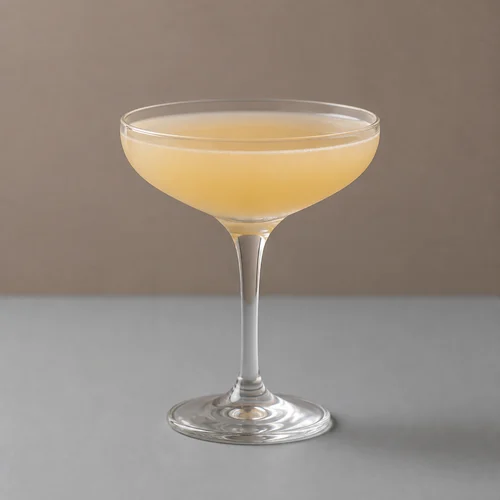
Cameron's Kick


Ingredients for Cameron's Kick — 4 total (3 shown, 1 more hidden).
+1

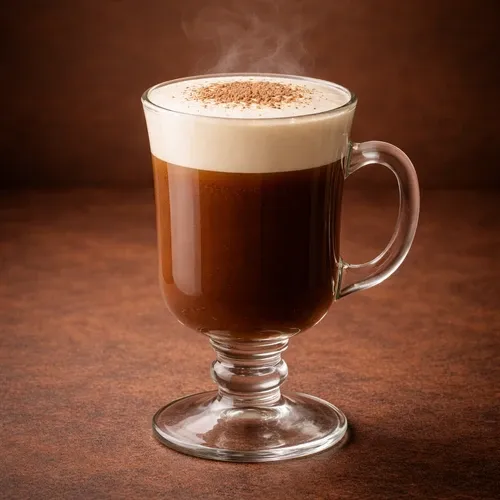
Hot Creamy Bush

Ingredients for Hot Creamy Bush — 4 total (3 shown, 1 more hidden).
+1


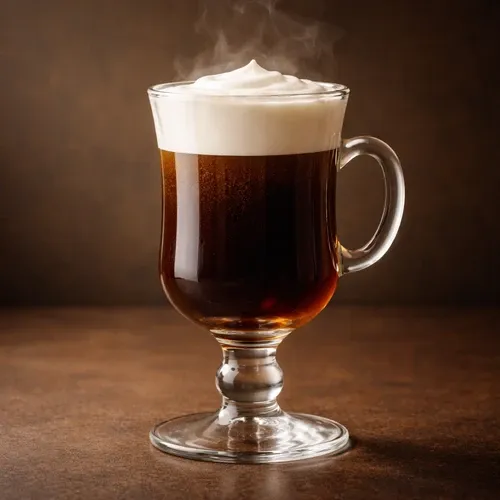
Irish Coffee
Ingredients for Irish Coffee — 4 total (3 shown, 1 more hidden).
+1