Scotch Whisky
Alcoholic (~Typically 40–46% ABV) Spirits
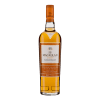
Scotch whisky is a style of whisky produced in Scotland from malted barley or other cereals and aged in oak casks. It encompasses a wide range of styles, from light and unpeated expressions to richly smoky, peated whiskies, shaped by regional traditions, production methods, and maturation practices.

Flavor & Technical
This section summarizes the sensory balance and technical behavior of Scotch Whisky when used in cocktails, combining perceived flavor intensity with functional roles.
Flavor balance and intensity
Technical characteristics
How Scotch Whisky works in cocktails
Scotch Whisky is analyzed here as a working cocktail ingredient: how it changes flavor, what role it plays in a build, when it should be substituted, and which recipe patterns it supports.
Flavor role in cocktail balance
Scotch whisky displays a broad spectrum of flavors depending on style and origin. Unpeated styles often show notes of malt, orchard fruit , honey , and gentle oak, while peated styles introduce smoky, earthy, and maritime characteristics. Oak aging contributes vanilla , caramel, and spice across the category, with sweetness remaining restrained and structure driven primarily by malt and wood rather than sugar .
Best uses behind the bar
Scotch whisky serves as a base spirit in spirit-forward and sour-style cocktails where malt character and structure are desired. It also plays a central role in classic highball-style drinks, where dilution and carbonation highlight its malt and oak aromatics. Beyond mixed drinks, scotch is commonly enjoyed neat, over ice , or with a small addition of water to open up aromatics, particularly in aromatic or peated styles.
Substitutes in cocktail builds
Substitutes depend on the intended role of scotch in a drink. For smoky character, other peated whiskies can approximate the aroma, though regional differences remain. For non-smoky applications, a light malt whisky or mild blended whisky can substitute with adjustments. Bourbon or rye can replace body and oak influence but will significantly alter flavor balance.
Production and style context
Scotch whisky's documented history dates to at least the late 15th century in Scotland. Production evolved from small-scale distillation to a regulated industry defined by strict geographical, raw material, and aging requirements, with distinct regional identities emerging across the country.
Mixology notes
To be legally defined as Scotch whisky, the spirit must be distilled and aged in Scotland for a minimum of three years in oak casks. Regional classifications such as Islay, Speyside, and Highland are often used to describe stylistic tendencies, though individual producers vary widely within each region.
Frequently paired with
These ingredients frequently appear alongside Scotch Whisky in cocktail recipes, based on co-occurrence across the database.
Used with Scotch Whisky in 7 cocktails
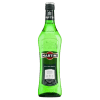
Used with Scotch Whisky in 4 cocktails
Explore cocktails with Scotch Whisky
Use these child hubs to compare Scotch Whisky across repeated cocktail patterns instead of reading recipes one by one. Each link groups recipes by a different structural signal.
By preparation method
Preparation method shows how Scotch Whisky behaves under technique: shaken for integration, stirred for clarity, built for direct length, heated for warmth, or blended for texture.


By glass
Glassware reveals serving format and dilution strategy for Scotch Whisky, separating short, spirit-led serves from tall, warm, frozen, or lengthened drinks.


Cocktails using Scotch Whisky
A curated selection of cocktails that showcase Scotch Whisky as a defining ingredient.
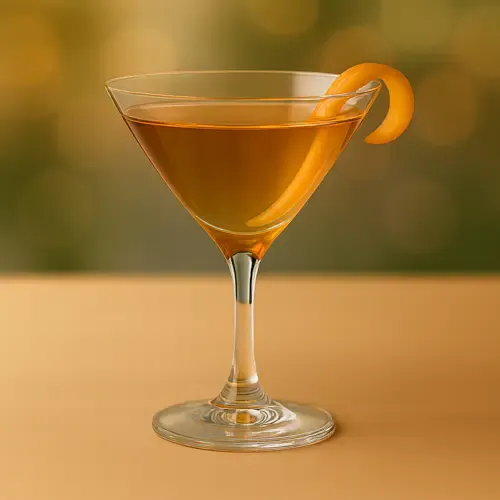
Affinity
Ingredients for Affinity — 5 total (3 shown, 2 more hidden).
+2
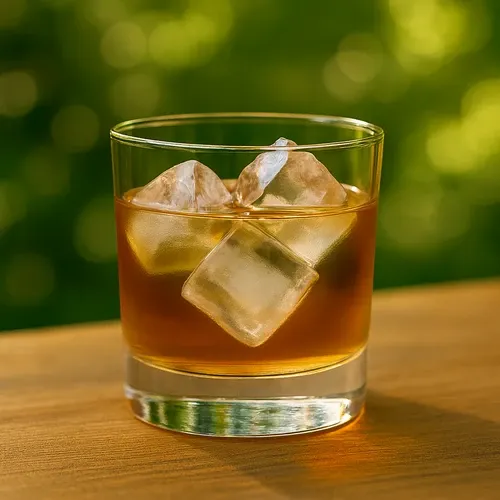
Balmoral
Ingredients for Balmoral — 4 total (3 shown, 1 more hidden).
+1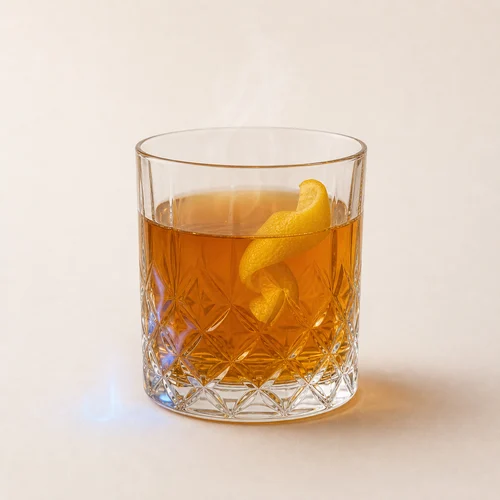
Blue Blazer

Ingredients for Blue Blazer — 4 total (3 shown, 1 more hidden).
+1