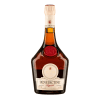
Benedictine
Alcoholic (~Commonly around 40% ABV) Liqueurs & Cordials
Benedictine is a French herbal liqueur known for its layered sweetness and complex blend of botanicals. Built on a base of neutral spirit, it combines honeyed richness with citrus peel, herbs, and warm spices, resulting in a dense, aromatic profile used sparingly to add depth and structure.

Flavor & Technical
This section summarizes the sensory balance and technical behavior of Benedictine when used in cocktails, combining perceived flavor intensity with functional roles.
Flavor balance and intensity
Technical characteristics
How Benedictine works in cocktails
Benedictine is analyzed here as a working cocktail ingredient: how it changes flavor, what role it plays in a build, when it should be substituted, and which recipe patterns it supports.
Flavor role in cocktail balance
Benedictine presents a sweet herbal character with honey , warm spice, citrus peel, and complex botanical notes. Small amounts can strongly shape a stirred drink.
Best uses behind the bar
Used in classic stirred cocktails, sours, nightcaps, brandy drinks, gin drinks, and as a herbal modifier.
Substitutes in cocktail builds
Drambuie is sweeter and more whisky-forward but can work in some applications. Yellow Chartreuse or a honey-herbal syrup can substitute with profile changes.
Production and style context
Benedictine traces its origins to Normandy, France, where it was formulated in the 19th century by Alexandre Le Grand, inspired by monastic herbal traditions. Its identity remains closely tied to historical European liqueur-making and secret botanical formulas.
Mixology notes
The exact recipe of Benedictine remains a closely guarded secret and is said to include 27 herbs and spices. The bottle design and branding reference monastic heritage, reinforcing its historical and ritual identity.
Explore cocktails with Benedictine
Use these child hubs to compare Benedictine across repeated cocktail patterns instead of reading recipes one by one. Each link groups recipes by a different structural signal.
By preparation method
Preparation method shows how Benedictine behaves under technique: shaken for integration, stirred for clarity, built for direct length, heated for warmth, or blended for texture.


By glass
Glassware reveals serving format and dilution strategy for Benedictine, separating short, spirit-led serves from tall, warm, frozen, or lengthened drinks.


Cocktails using Benedictine
A curated selection of cocktails that showcase Benedictine as a defining ingredient.
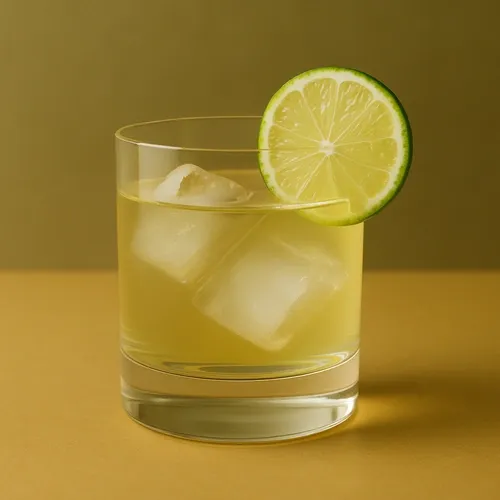
Archbishop
Ingredients for Archbishop — 4 total (3 shown, 1 more hidden).
+1

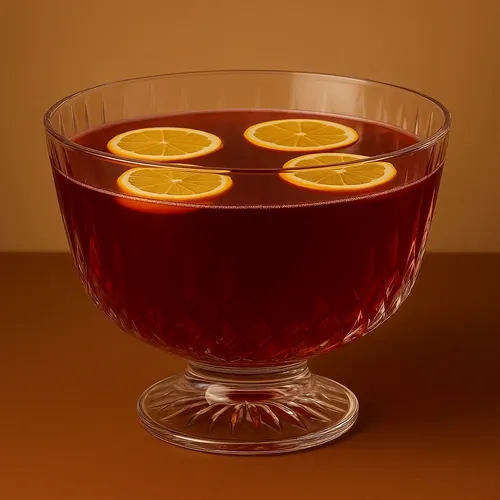
Artillery Punch


Ingredients for Artillery Punch — 9 total (3 shown, 6 more hidden).
+6

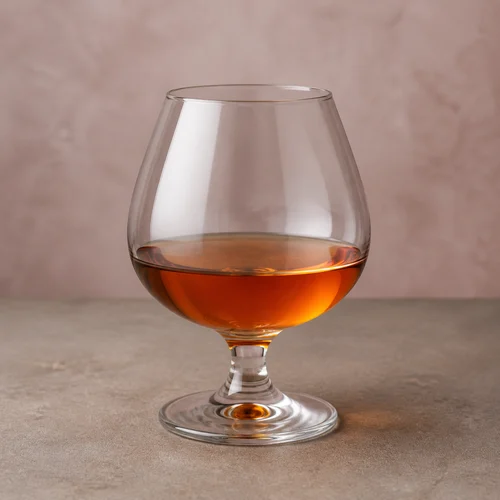
B&B
Ingredients for B&B — 2 total (2 shown).