Green Ginger Wine
Alcoholic (~Commonly around 13-14% ABV) Wines & Fortified Wines
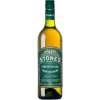
Green Ginger Wine is a sweet, ginger-flavored fortified wine-based beverage known for its warming spice and pronounced sweetness.

Flavor & Technical
This section summarizes the sensory balance and technical behavior of Green Ginger Wine when used in cocktails, combining perceived flavor intensity with functional roles.
Flavor balance and intensity
Technical characteristics
How Green Ginger Wine works in cocktails
Green Ginger Wine is analyzed here as a working cocktail ingredient: how it changes flavor, what role it plays in a build, when it should be substituted, and which recipe patterns it supports.
Flavor role in cocktail balance
A sweet fortified ginger wine offering warm spice, wine acidity, and a rounded sugary finish.
Best uses behind the bar
Used with whisky in whisky mac-style drinks, winter cocktails, citrus sours, and ginger-spiced aperitif or digestif applications.
Substitutes in cocktail builds
Ginger liqueur, ginger syrup combined with white wine , or ginger cordial with a small measure of fortified wine can substitute with adjustment.
Production and style context
Green ginger wine gained popularity in Britain from the 18th century onward, valued for its warming character and association with digestif-style consumption. It became a distinctive category of ginger-flavored fortified wines within British drinking culture.
Mixology notes
The characteristic green hue of many green ginger wines typically results from coloring rather than ginger itself. Historically, ginger wines were often promoted for warming and restorative qualities, contributing to their long-standing association with medicinal-style fortified wines.
Explore cocktails with Green Ginger Wine
Use these child hubs to compare Green Ginger Wine across repeated cocktail patterns instead of reading recipes one by one. Each link groups recipes by a different structural signal.

Cocktails using Green Ginger Wine
All cocktails in our collection that feature Green Ginger Wine as a core ingredient.
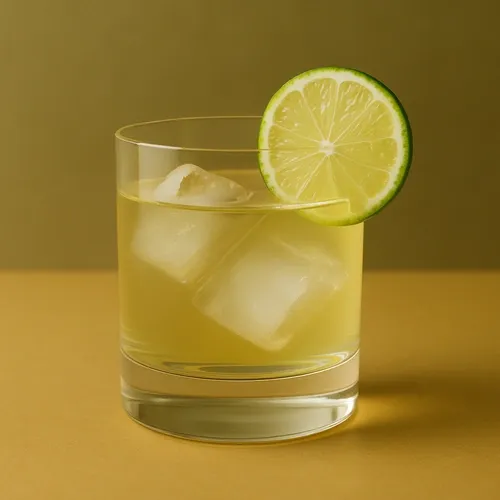
Archbishop


Ingredients for Archbishop — 4 total (3 shown, 1 more hidden).
+1

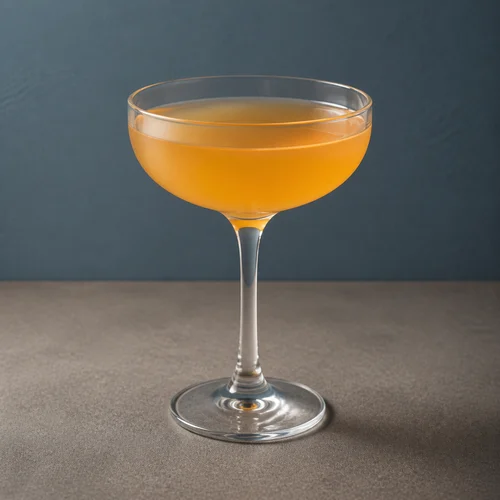
Thriller


Ingredients for Thriller — 3 total (3 shown).