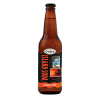
Ginger Beer
Non-Alcoholic (~0% ABV) Carbonated Mixers
Ginger Beer is a non-alcoholic carbonated beverage with a zesty ginger flavor. It adds a spicy kick to cocktails and mocktails.

Flavor & Technical
This section summarizes the sensory balance and technical behavior of Ginger Beer when used in cocktails, combining perceived flavor intensity with functional roles.
Flavor balance and intensity
Technical characteristics
How Ginger Beer works in cocktails
Ginger Beer is analyzed here as a working cocktail ingredient: how it changes flavor, what role it plays in a build, when it should be substituted, and which recipe patterns it supports.
Flavor role in cocktail balance
Ginger beer delivers assertive ginger heat supported by lively carbonation and moderate sweetness. The profile is bright, spicy, and refreshing, with minimal fruit character and only faint natural bitterness from ginger. Compared with ginger ale , ginger beer typically exhibits more pronounced pungency and less candy-like sweetness, functioning as a stronger structural mixer rather than a soft soda-like modifier.
Best uses behind the bar
Ginger beer serves as a carbonated mixer that adds ginger spice, effervescence, and length to long drinks and highballs. It pairs effectively with neutral or dark spirit bases, enhances refreshment in warm-weather serves, and can be enjoyed on its own as a standalone soft drink. Functionally, it contributes aromatic heat, perceived acidity from carbonation, and a crisp finish that balances sweeter builds.
Substitutes in cocktail builds
Ginger ale is the closest substitute when a lighter, sweeter, and less spicy ginger profile is acceptable. For a drier result, use ginger ale with reduced additional sweeteners, or add a small amount of fresh ginger or ginger syrup to restore heat and aromatic intensity.
Production and style context
Ginger beer emerged in England during the 18th century as a fermented ginger beverage. Modern commercial versions shifted toward alcohol-free formulations—often force-carbonated—while preserving ginger's signature warmth and spicy aromatic character.
Mixology notes
Traditional ginger beer was produced by fermenting ginger , sugar , yeast , and water , creating natural carbonation and, in some processes, trace alcohol. Many contemporary ginger beers are formulated to be explicitly non-alcoholic and rely on force carbonation. Ginger's long-standing association with digestive comfort helped popularize ginger-based drinks as everyday refreshers.
Frequently paired with
These ingredients frequently appear alongside Ginger Beer in cocktail recipes, based on co-occurrence across the database.
Used with Ginger Beer in 11 cocktails
Used with Ginger Beer in 5 cocktails
Explore cocktails with Ginger Beer
Use these child hubs to compare Ginger Beer across repeated cocktail patterns instead of reading recipes one by one. Each link groups recipes by a different structural signal.
By preparation method
Preparation method shows how Ginger Beer behaves under technique: shaken for integration, stirred for clarity, built for direct length, heated for warmth, or blended for texture.

By glass
Glassware reveals serving format and dilution strategy for Ginger Beer, separating short, spirit-led serves from tall, warm, frozen, or lengthened drinks.


Cocktails using Ginger Beer
A curated selection of cocktails that showcase Ginger Beer as a defining ingredient.
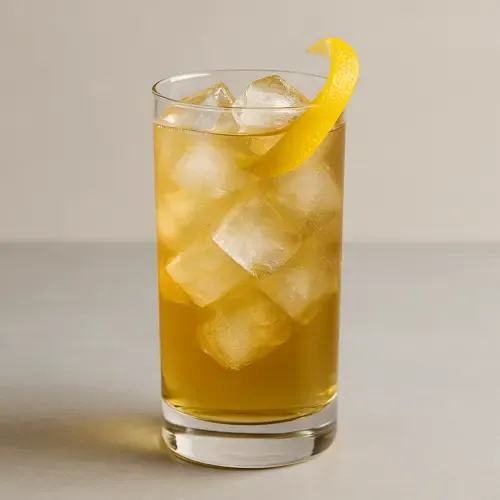
A Furlong Too Late
Ingredients for A Furlong Too Late — 3 total (3 shown).

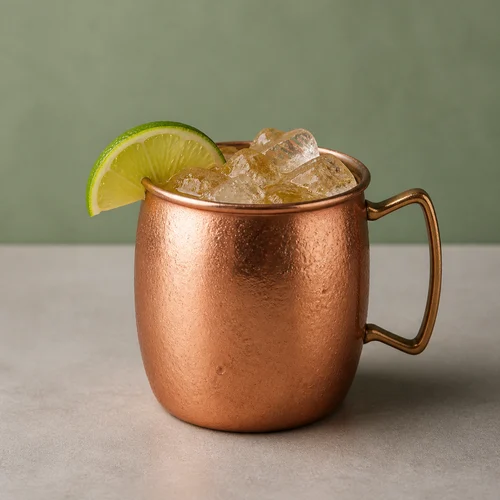
Apple Cider Mule
Ingredients for Apple Cider Mule — 5 total (3 shown, 2 more hidden).
+2
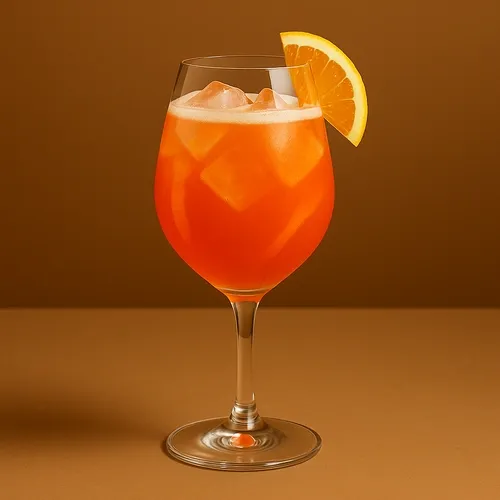
Autumn Garibaldi


Ingredients for Autumn Garibaldi — 5 total (3 shown, 2 more hidden).
+2