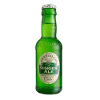
Ginger Ale
Non-Alcoholic (~0% ABV) Carbonated Mixers
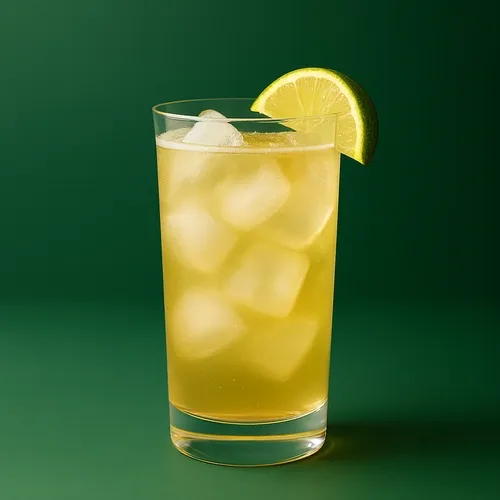
Ginger Ale is a refreshing carbonated soft drink flavored with ginger and sweetened with sugar or artificial sweeteners. It adds a gentle ginger note and effervescence to mixed drinks and alcohol-free serves.

Flavor & Technical
This section summarizes the sensory balance and technical behavior of Ginger Ale when used in cocktails, combining perceived flavor intensity with functional roles.
Flavor balance and intensity
Technical characteristics
How Ginger Ale works in cocktails
Ginger Ale is analyzed here as a working cocktail ingredient: how it changes flavor, what role it plays in a build, when it should be substituted, and which recipe patterns it supports.
Flavor role in cocktail balance
Ginger ale presents a sweet, lightly spiced carbonated profile with a mild ginger aroma and a clean, soda-like finish. Its ginger character is softer and rounder than ginger beer , offering less heat and more pronounced sweetness. Carbonation provides lift and perceived brightness, while the overall profile remains approachable and gentle rather than pungent or drying.
Best uses behind the bar
Ginger ale functions as a carbonated mixer that adds sweetness, effervescence, and a subtle ginger accent to long drinks and casual mixed serves. It is particularly useful when a light, approachable spice note is preferred over strong ginger heat. It may also be served on its own as a standalone soft drink.
Substitutes in cocktail builds
Ginger beer can replace ginger ale when stronger ginger heat and a drier profile are desired, though it will increase spice intensity and reduce perceived softness. For a lighter alternative, club soda combined with a small amount of ginger syrup can approximate ginger ale's sweetness and aroma while maintaining high carbonation.
Production and style context
Modern ginger ale developed in the mid-19th century, with notable early styles emerging in Ireland and Canada. It evolved from earlier fermented ginger beverages into a clear, sweetened, fully non-alcoholic carbonated soft drink .
Mixology notes
Ginger ale was historically marketed as a health tonic due to ginger 's perceived digestive benefits. During Prohibition, its mild flavor, sweetness, and carbonation made it a popular mixer for masking the harshness of illicit spirits.
Often paired with
These ingredients frequently appear alongside Ginger Ale in cocktail recipes, based on co-occurrence across the database.
Used with Ginger Ale in 4 cocktails
Explore cocktails with Ginger Ale
Use these child hubs to compare Ginger Ale across repeated cocktail patterns instead of reading recipes one by one. Each link groups recipes by a different structural signal.
By preparation method
Preparation method shows how Ginger Ale behaves under technique: shaken for integration, stirred for clarity, built for direct length, heated for warmth, or blended for texture.


By glass
Glassware reveals serving format and dilution strategy for Ginger Ale, separating short, spirit-led serves from tall, warm, frozen, or lengthened drinks.


Cocktails using Ginger Ale
A curated selection of cocktails that showcase Ginger Ale as a defining ingredient.
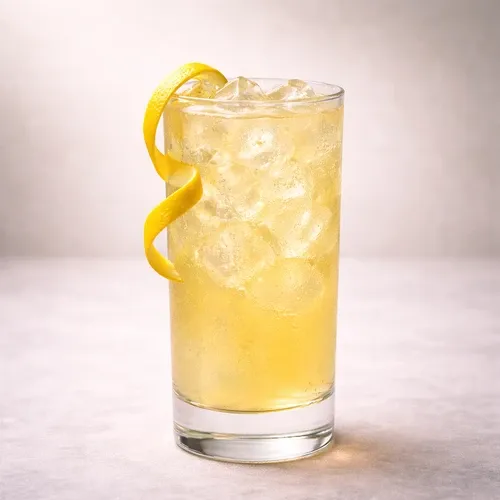
A Night In Old Mandalay
Ingredients for A Night In Old Mandalay — 6 total (3 shown, 3 more hidden).
+3

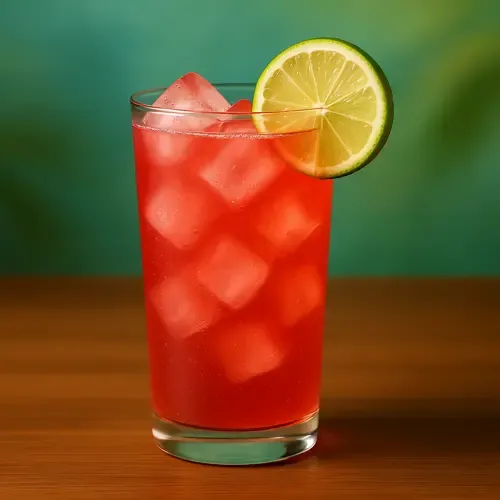
Absolutely Cranberry Smash
Ingredients for Absolutely Cranberry Smash — 5 total (3 shown, 2 more hidden).
+2
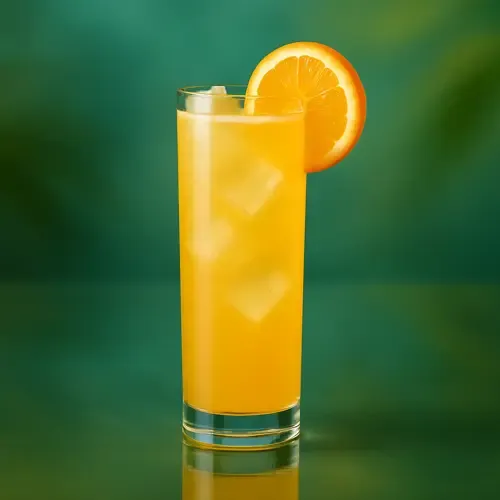
Absolutly Screwed Up
Ingredients for Absolutly Screwed Up — 5 total (3 shown, 2 more hidden).
+2