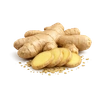
Ginger
Non-Alcoholic (~0% ABV) Fresh Herbs & Botanicals
Ginger is the fresh rhizome of the ginger plant, valued in mixology for its pungent spice, bright aromatics, and warming heat. It can be used fresh, juiced, muddled, or infused to provide sharp spice and aromatic lift.

Flavor & Technical
This section summarizes the sensory balance and technical behavior of Ginger when used in cocktails, combining perceived flavor intensity with functional roles.
Flavor balance and intensity
Technical characteristics
How Ginger works in cocktails
Ginger is analyzed here as a working cocktail ingredient: how it changes flavor, what role it plays in a build, when it should be substituted, and which recipe patterns it supports.
Flavor role in cocktail balance
Fresh ginger delivers pronounced spicy heat with zesty citrus-like brightness and subtle natural sweetness. It contributes warming pungency, lively aromatics, and a crisp, peppery finish that enhances perceived freshness and complexity.
Best uses behind the bar
Used as a fresh spice driver and aromatic enhancer. Ginger can be muddled, juiced, infused, or cooked into syrups to add heat, brightness, and structure. It pairs particularly well with citrus, dark spirits, and carbonated mixers, where its spice cuts through sweetness.
Substitutes in cocktail builds
Galangal provides sharper, more piney spice with less sweetness. Turmeric adds earthiness and color but far less heat. Cardamom offers aromatic warmth without ginger's pungent bite. Each substitute alters intensity and aromatic direction.
Production and style context
Ginger originated in Southeast Asia and has been cultivated for thousands of years for culinary and medicinal purposes. Its spread through trade routes made it one of the earliest globally recognized spices, eventually becoming a staple in beverages and mixed drinks.
Mixology notes
The characteristic heat of ginger comes from gingerol, which converts to the spicier compound shogaol when heated or dried. Fresh ginger provides brighter, cleaner spice than dried forms, which tend toward greater heat and more resinous character.
Explore cocktails with Ginger
Use these child hubs to compare Ginger across repeated cocktail patterns instead of reading recipes one by one. Each link groups recipes by a different structural signal.
By preparation method
Preparation method shows how Ginger behaves under technique: shaken for integration, stirred for clarity, built for direct length, heated for warmth, or blended for texture.


By glass
Glassware reveals serving format and dilution strategy for Ginger, separating short, spirit-led serves from tall, warm, frozen, or lengthened drinks.


Cocktails using Ginger
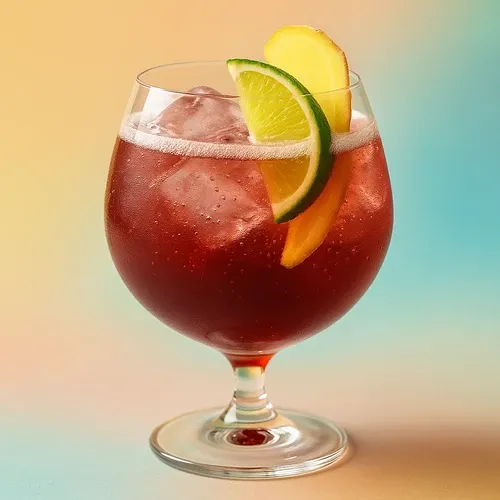
A curated selection of cocktails that showcase Ginger as a defining ingredient.