Lemon
Non-Alcoholic (~0% ABV) Fresh Fruits (Solid/Garnish)
Lemon is a fresh citrus fruit commonly used in cocktails primarily as a garnish rather than as a liquid ingredient. In solid form, it contributes bright citrus aromatics, sharp peel oils, subtle bitterness, and visual contrast through twists, peels, slices, or wedges.

Flavor & Technical
This section summarizes the sensory balance and technical behavior of Lemon when used in cocktails, combining perceived flavor intensity with functional roles.
Flavor balance and intensity
Technical characteristics
How Lemon works in cocktails
Lemon is analyzed here as a working cocktail ingredient: how it changes flavor, what role it plays in a build, when it should be substituted, and which recipe patterns it supports.
Flavor role in cocktail balance
When used as a garnish, lemon delivers intense citrus aromatics dominated by essential oils from the peel. The perceived profile is sharper and more piercing than orange , with a pronounced acidic impression and light bitterness from the zest. Its impact is primarily aromatic and sensory, influencing the nose and first sip rather than the structural balance of the drink.
Best uses behind the bar
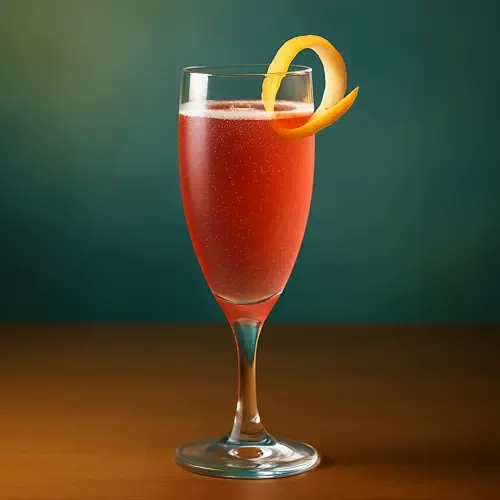
Lemon is most commonly used as a garnish in classic and modern cocktails. Typical applications include lemon twists or peels expressed over the drink, lemon wheels or slices for visual clarity, and occasional wedges. It is especially associated with spirit-forward cocktails, sours, and classic serves where bright citrus aroma enhances freshness and definition. For lemon used as a liquid ingredient in mixed drinks, see Fresh Lemon Juice .
Substitutes in cocktail builds
Lime peel can replace lemon peel when a slightly greener and more aromatic citrus profile is desired, though it alters perception. Orange peel offers a softer, sweeter citrus aroma with less sharpness. In garnish applications, substitutions affect aroma and visual tone rather than sweetness or acidity.
Production and style context
Lemons originated in Asia and spread westward through trade routes into the Mediterranean and Europe. As cocktail culture developed, lemon peel became one of the most iconic garnishes, valued for its sharp aromatics and ability to lift both spirit-forward and citrus-based drinks.
Mixology notes
Much of lemon's impact in cocktails comes from its zest rather than its juice. Expressing lemon oils over a drink releases highly volatile aromatic compounds that immediately influence perception. Lemon zest has long been used both for garnish and for aromatic emphasis in classic cocktail recipes.
Similar ingredients (by flavor & function)
Ingredients listed here share similar flavor characteristics or functional roles with Lemon, making them comparable in certain cocktail contexts.
Comparable in recipe usage, but structured flavor data is incomplete for this ingredient.
Frequently paired with
These ingredients frequently appear alongside Lemon in cocktail recipes, based on co-occurrence across the database.
Used with Lemon in 22 cocktails
Used with Lemon in 19 cocktails
Used with Lemon in 9 cocktails
Used with Lemon in 4 cocktails
Explore cocktails with Lemon
Use these child hubs to compare Lemon across repeated cocktail patterns instead of reading recipes one by one. Each link groups recipes by a different structural signal.
By preparation method
Preparation method shows how Lemon behaves under technique: shaken for integration, stirred for clarity, built for direct length, heated for warmth, or blended for texture.


By glass
Glassware reveals serving format and dilution strategy for Lemon, separating short, spirit-led serves from tall, warm, frozen, or lengthened drinks.


Cocktails using Lemon
A curated selection of cocktails that showcase Lemon as a defining ingredient.
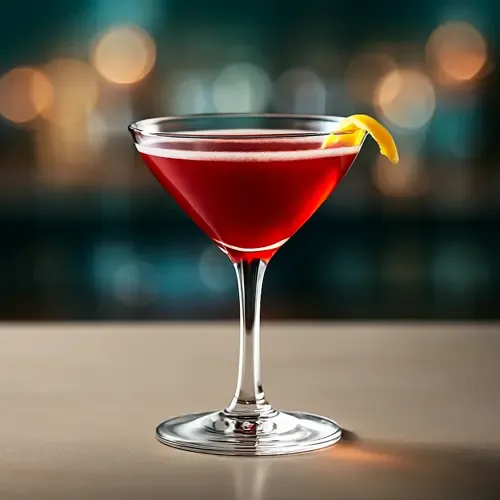
A1
Ingredients for A1 — 5 total (3 shown, 2 more hidden).
+2

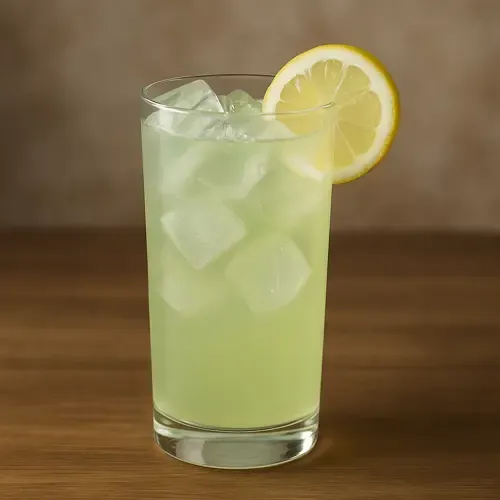
Absolut Evergreen
Ingredients for Absolut Evergreen — 4 total (3 shown, 1 more hidden).
+1
Absolut Summertime
Ingredients for Absolut Summertime — 5 total (3 shown, 2 more hidden).
+2