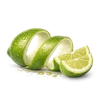
Lime Peel
Non-Alcoholic (~0% ABV) Fresh Fruits (Solid/Garnish)
Lime peel is the aromatic outer skin of a lime, used in cocktails to add green citrus oil, peel bitterness, and fresh aroma without juice acidity.
Flavor & Technical
This section summarizes the sensory balance and technical behavior of Lime Peel when used in cocktails, combining perceived flavor intensity with functional roles.
Flavor balance and intensity
Technical characteristics
How Lime Peel works in cocktails
Lime Peel is analyzed here as a working cocktail ingredient: how it changes flavor, what role it plays in a build, when it should be substituted, and which recipe patterns it supports.
Flavor role in cocktail balance
Lime peel is fragrant, green, sharp, oily, and lightly bitter. It contributes volatile citrus oils rather than sour juice, delivering primarily aromatic impact. The pith adds harsh bitterness, while a clean peel or expressed twist provides bright lime aroma to rum , gin , tequila , highballs, and stirred drinks.
Best uses behind the bar
Used as an expressed peel, twist, rim aroma, infusion ingredient, lime oil accent, or visual citrus finish in stirred drinks, tropical cocktails, highballs, and spirit-forward citrus builds.
Substitutes in cocktail builds
Lemon peel is brighter and less green. Orange peel is sweeter and rounder. Grapefruit peel is drier and more bitter. Lime bitters can provide related aroma without visual impact.
Cocktail using Lime Peel
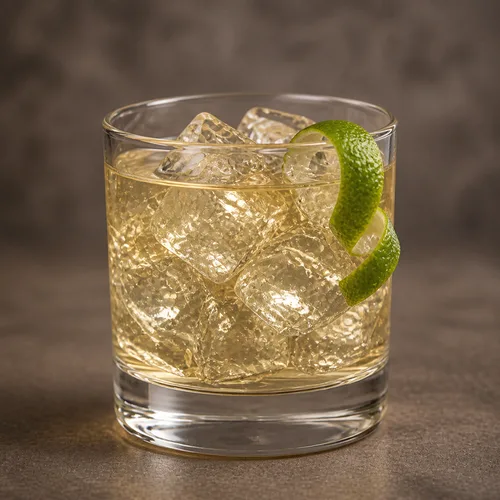
The only cocktail in our collection that features Lime Peel as a key ingredient.