Rum
Alcoholic (~Typically 37.5–50% ABV) Spirits
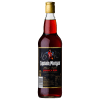
Rum is a distilled spirit made from sugarcane byproducts such as molasses or fresh sugarcane juice. Produced across the Caribbean, Latin America, Asia, and worldwide, it ranges from light and clean styles to deeply aged, high-ester, and richly aromatic expressions.

Flavor & Technical
This section summarizes the sensory balance and technical behavior of Rum when used in cocktails, combining perceived flavor intensity with functional roles.
Flavor balance and intensity
Technical characteristics
How Rum works in cocktails
Rum is analyzed here as a working cocktail ingredient: how it changes flavor, what role it plays in a build, when it should be substituted, and which recipe patterns it supports.
Flavor role in cocktail balance
Rum's profile depends strongly on raw material, fermentation, distillation, and aging. Molasses-based rums often show caramel, toffee, vanilla , and baking-spice notes, while cane-juice styles can lean grassy, floral, and fresh. Light styles are clean and gently sweet in perception, whereas aged and high-ester styles deliver rich aromatics with tropical fruit , molasses depth, and long warming finishes. Most rums are dry as spirits; perceived sweetness typically derives from aroma, oak influence, and residual congeners rather than sugar .
Best uses behind the bar
Rum serves as a base spirit across a wide range of mixed drinks, from light, citrus-forward builds to richer, spirit-forward serves and tropical-style compositions. It also appears in culinary applications such as desserts, syrups, and sauces, where its caramelized sugarcane notes and oak-driven aromatics add warmth and depth.
Substitutes in cocktail builds
Substitutes depend on the role rum plays in the drink. A clean white rum can be approximated by a neutral spirit with minimal character, though sugarcane aroma will be lost. For aged rum roles, a light brandy can mimic some warmth, while a mild whiskey can approximate oak and spice; both shift flavor away from sugarcane. When rum provides funk or high-ester fruit , substitutes are rarely accurate and usually require recipe rebalancing.
Production and style context
Rum developed in the 17th century alongside the growth of sugar production in the Caribbean, where distillation transformed molasses and cane byproducts into spirit. It became economically significant within Atlantic trade networks and later diversified into distinct regional styles shaped by local regulations, production methods, and cultural preferences.
Mixology notes
When rum is diluted or used in chilled drinks, aromatic differences between styles often become more apparent than sweetness. The historical "proof" concept is linked to alcohol strength testing traditions, which varied by country and era, and influenced how spirits were taxed and supplied in maritime contexts.
Similar ingredients (by flavor & function)
Ingredients listed here share similar flavor characteristics or functional roles with Rum, making them comparable in certain cocktail contexts.
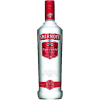
Comparable in recipe usage, but structured flavor data is incomplete for this ingredient.
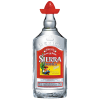
Comparable in recipe usage, but structured flavor data is incomplete for this ingredient.
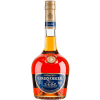
Explore cocktails with Rum
Use these child hubs to compare Rum across repeated cocktail patterns instead of reading recipes one by one. Each link groups recipes by a different structural signal.
By preparation method
Preparation method shows how Rum behaves under technique: shaken for integration, stirred for clarity, built for direct length, heated for warmth, or blended for texture.


By glass
Glassware reveals serving format and dilution strategy for Rum, separating short, spirit-led serves from tall, warm, frozen, or lengthened drinks.


Cocktails using Rum
A curated selection of cocktails that showcase Rum as a defining ingredient.
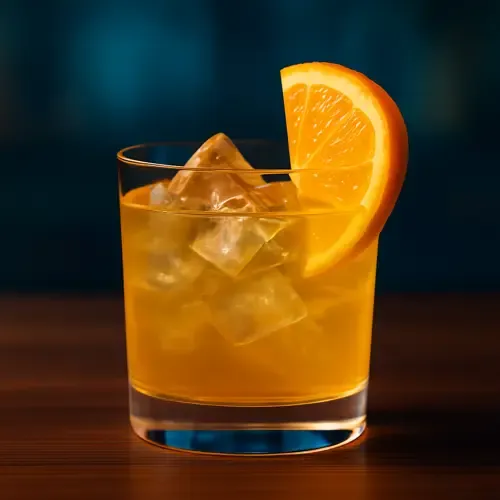


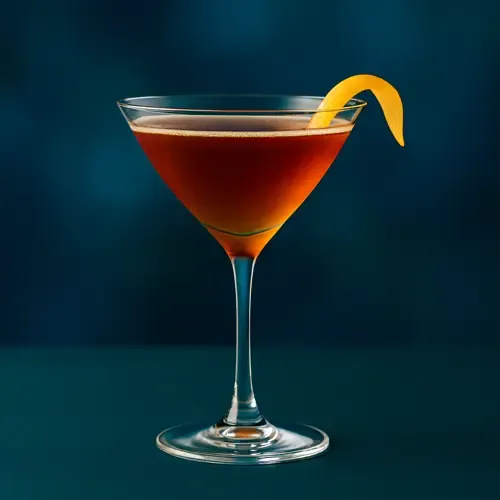
Adios Amigos


Ingredients for Adios Amigos — 7 total (3 shown, 4 more hidden).
+4