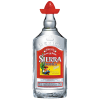
Tequila
Alcoholic (~40% ABV) Spirits
Tequila is a distilled spirit produced in Mexico from the blue agave plant (Agave tequilana Weber). It is known for its distinctive agave-driven character and serves as a foundational base spirit in both classic and modern cocktails, ranging from bright, citrus-forward drinks to spirit-led serves.

Flavor & Technical
This section summarizes the sensory balance and technical behavior of Tequila when used in cocktails, combining perceived flavor intensity with functional roles.
Flavor balance and intensity
Technical characteristics
How Tequila works in cocktails
Tequila is analyzed here as a working cocktail ingredient: how it changes flavor, what role it plays in a build, when it should be substituted, and which recipe patterns it supports.
Flavor role in cocktail balance
Tequila presents a bold and expressive profile centered on cooked agave, with earthy, vegetal notes balanced by natural sweetness. Common secondary characteristics include citrus zest, black pepper , and light herbal tones. Unaged or lightly aged styles emphasize freshness and clarity, while subtle mineral impressions may appear depending on production methods and terroir.
Best uses behind the bar
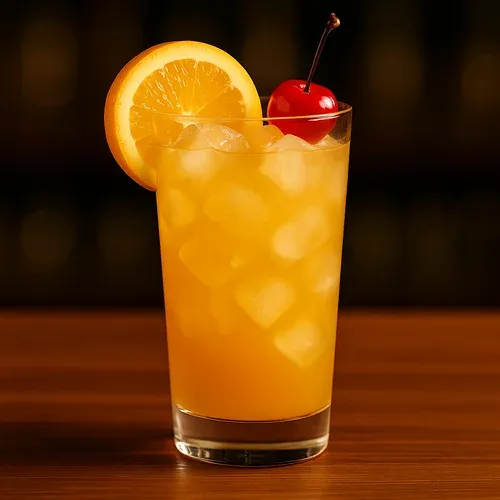
Tequila is primarily used as a base spirit in cocktails that highlight citrus and freshness. It is essential in classics such as the Margarita and Paloma and appears in long drinks like the Tequila Sunrise . Beyond mixed drinks, tequila is also consumed neat or in small pours, particularly with higher-quality expressions, where its agave character and regional identity are more apparent.
Substitutes in cocktail builds
Mezcal is the closest substitute, sharing an agave base but introducing pronounced smoky notes that significantly alter the drink's profile. Vodka can replace tequila structurally in some cocktails, providing alcohol without agave character, while light rum offers sweetness and body but shifts the flavor away from tequila's earthy and vegetal identity.
Production and style context
Tequila originated in the region surrounding the town of Tequila in Jalisco, Mexico. Its production developed in the 16th century following Spanish distillation practices applied to native agave plants. Over time, tequila became one of Mexico's most internationally recognized spirits, with strict geographic and production regulations defining its identity.
Mixology notes
To be labeled tequila, the spirit must be produced in designated regions of Mexico and made from a minimum of 51% blue agave, though higher-quality tequilas use 100% blue agave. The agave plant requires approximately 8–12 years to mature before harvesting, making tequila production both time-intensive and closely tied to agricultural cycles.
Similar ingredients (by flavor & function)
Ingredients listed here share similar flavor characteristics or functional roles with Tequila, making them comparable in certain cocktail contexts.
Frequently paired with
These ingredients frequently appear alongside Tequila in cocktail recipes, based on co-occurrence across the database.
Used with Tequila in 6 cocktails
Used with Tequila in 4 cocktails
Explore cocktails with Tequila
Use these child hubs to compare Tequila across repeated cocktail patterns instead of reading recipes one by one. Each link groups recipes by a different structural signal.
By preparation method
Preparation method shows how Tequila behaves under technique: shaken for integration, stirred for clarity, built for direct length, heated for warmth, or blended for texture.


By glass
Glassware reveals serving format and dilution strategy for Tequila, separating short, spirit-led serves from tall, warm, frozen, or lengthened drinks.


Cocktails using Tequila
A curated selection of cocktails that showcase Tequila as a defining ingredient.
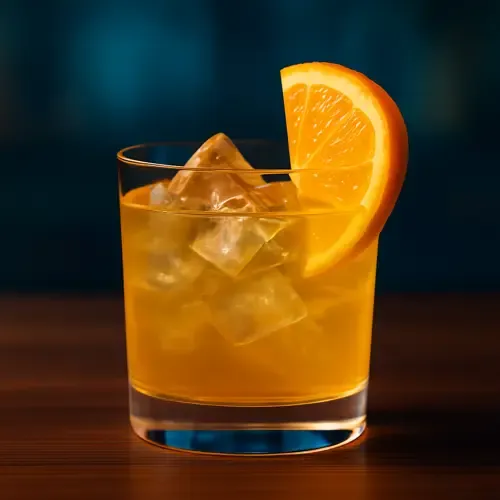

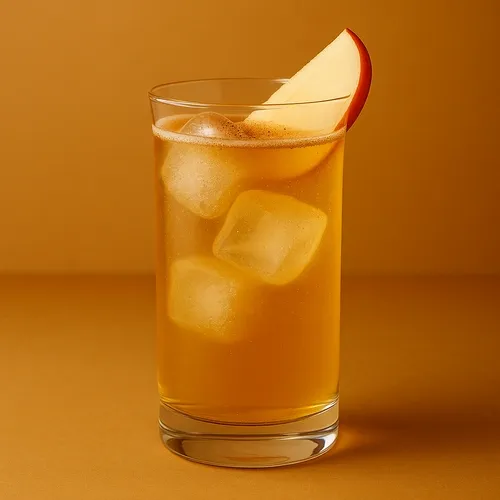
Apple Grande
Ingredients for Apple Grande — 4 total (3 shown, 1 more hidden).
+1