Cachaça
Alcoholic (~40% ABV) Spirits
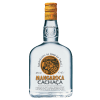
Cachaça is a Brazilian distilled spirit made from fresh sugarcane juice rather than molasses. While often compared to rum, it is legally and technically distinct, with production methods and flavor profiles that emphasize freshness, vegetal character, and direct expression of sugarcane. It may be bottled unaged or aged in a variety of woods, including native Brazilian species.

Flavor & Technical
This section summarizes the sensory balance and technical behavior of Cachaça when used in cocktails, combining perceived flavor intensity with functional roles.
Flavor balance and intensity
Technical characteristics
How Cachaça works in cocktails
Cachaça is analyzed here as a working cocktail ingredient: how it changes flavor, what role it plays in a build, when it should be substituted, and which recipe patterns it supports.
Flavor role in cocktail balance
Cachaça displays a bright, vegetal profile driven by fresh sugarcane juice fermentation. Typical notes include green sugarcane, herbal freshness, light citrus, and subtle sweetness, often with an earthy, rustic undertone that distinguishes it from more neutral white rums. Unaged styles are crisp and aromatic, while aged expressions develop soft vanilla , spice, and gentle wood tones without losing their characteristic freshness.
Best uses behind the bar
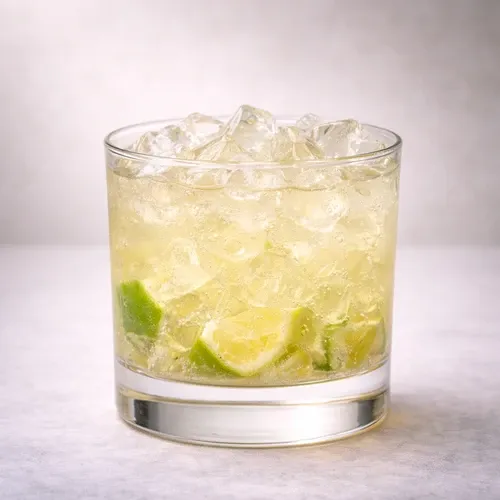
Cachaça is commonly used as a base spirit in fresh, citrus-forward cocktails where its grassy sugarcane character provides vibrancy and lift. It is the indispensable base for the Caipirinha , where its green, earthy notes interact with muddled lime and sugar to create a vibrant, high-acid profile. It performs well in muddled and built drinks that emphasize fruit and minimal processing, and in tropical-style serves designed for immediacy and brightness. Beyond cocktails, cachaça is occasionally used in culinary applications to add aromatic sugarcane notes to desserts and sauces.
Substitutes in cocktail builds
Unaged rhum agricole blanc made from fresh sugarcane juice provides the closest structural substitution, offering similar vegetal and grassy notes. Note that agricole is often bottled at higher proof (commonly 50%+ ABV) and can taste more intense, so it may require more cautious balancing in mixed drinks. Light molasses-based white rum may substitute in casual serves, but will lack cachaça's fresh sugarcane character and produce a rounder, less herbal result.
Production and style context
Cachaça has been produced in Brazil since the 16th century, emerging during the early colonial period alongside sugarcane cultivation. Initially a local spirit tied to plantation economies, it gradually evolved into a defining element of Brazilian drinking culture. Over time, cachaça became formally regulated and recognized as a uniquely Brazilian spirit.
Mixology notes
By law, cachaça must be produced in Brazil to carry the name. Unlike rum , which is typically distilled from molasses, cachaça is made exclusively from fresh sugarcane juice, a distinction that accounts for its brighter, more vegetal profile. Cachaça is also notable for its use of diverse indigenous Brazilian woods for aging—such as Amburana, Ipê, and Jequitibá—which can impart exotic notes ranging from cinnamon-like spice to floral tones and tropical-seasoning nuances.
Explore cocktails with Cachaça
Use these child hubs to compare Cachaça across repeated cocktail patterns instead of reading recipes one by one. Each link groups recipes by a different structural signal.
By preparation method
Preparation method shows how Cachaça behaves under technique: shaken for integration, stirred for clarity, built for direct length, heated for warmth, or blended for texture.

By glass
Glassware reveals serving format and dilution strategy for Cachaça, separating short, spirit-led serves from tall, warm, frozen, or lengthened drinks.


Cocktails using Cachaça
A curated selection of cocktails that showcase Cachaça as a defining ingredient.

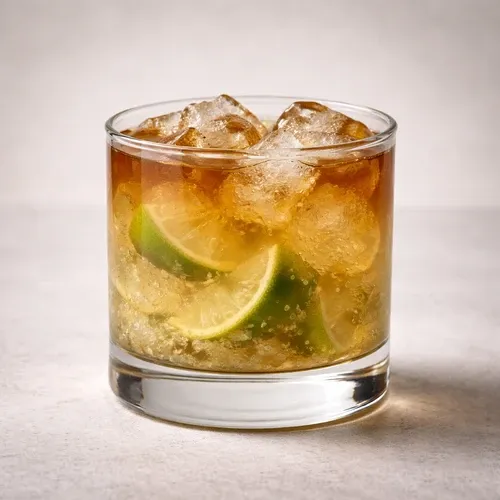
Dark Caipirinha
Ingredients for Dark Caipirinha — 3 total (3 shown).
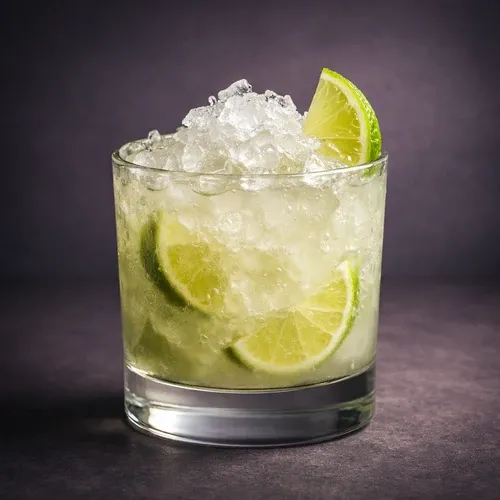
Elderflower Caipirinha
Ingredients for Elderflower Caipirinha — 4 total (3 shown, 1 more hidden).
+1