Pisco
Alcoholic (~Typically 38–48% ABV) Spirits
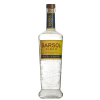
Pisco is a clear grape brandy produced primarily in Peru and Chile, distilled from fermented grape must or wine. Typically unaged or only lightly rested, it emphasizes aromatic grape character and is widely used as a base spirit in citrus-forward cocktails.

Flavor & Technical
This section summarizes the sensory balance and technical behavior of Pisco when used in cocktails, combining perceived flavor intensity with functional roles.
Flavor balance and intensity
Technical characteristics
How Pisco works in cocktails
Pisco is analyzed here as a working cocktail ingredient: how it changes flavor, what role it plays in a build, when it should be substituted, and which recipe patterns it supports.
Flavor role in cocktail balance
Pisco is a dry, aromatic grape spirit with a perfume-like profile that expresses floral, fruity, and subtly citrusy notes depending on grape variety and production style. The palate is clean and smooth, with perceived sweetness derived from ripe grape aromatics rather than residual sugar . Compared to aged brandy , it is brighter and more delicate, showing minimal wood influence and a fresher, more transparent finish.
Best uses behind the bar
Pisco serves as a base spirit in shaken citrus cocktails, particularly those built around fresh lemon or lime and a sweetener. Its aromatic grape character also performs well in light long drinks where fruit , herbs, or sparkling mixers enhance the nose without adding heaviness. In mixed drinks, it delivers fragrance and structure while remaining clean and dry.
Substitutes in cocktail builds
A light, unaged grape brandy is the closest substitute, though it may lack the same aromatic intensity. In some cocktails, a clean unaged brandy or lightly aged brandy can work with minor balance adjustments. White rum can approximate some of the body and dryness, but it lacks the signature grape-floral aromatic profile that defines pisco.
Production and style context
Pisco emerged in South America during the colonial period following the introduction of grapevines by Spanish settlers. Over time, production developed distinct national traditions in Peru and Chile, each governed by specific regulations on permitted grape varieties, distillation practices, and resting or aging approaches. The name is closely associated with the historic port and region of Pisco and is also linked to Quechua terminology used in the area.
Mixology notes
Pisco's identity is strongly tied to geographical protection and production regulations that differ between Peru and Chile. Many styles are bottled clear to emphasize aromatic purity, while some traditions allow resting or aging, creating variation in color and texture. The spirit's intense aroma is driven more by grape variety and fermentation character than by barrel influence.
Explore cocktails with Pisco
Use these child hubs to compare Pisco across repeated cocktail patterns instead of reading recipes one by one. Each link groups recipes by a different structural signal.
By preparation method
Preparation method shows how Pisco behaves under technique: shaken for integration, stirred for clarity, built for direct length, heated for warmth, or blended for texture.


Cocktails using Pisco
All cocktails in our collection that feature Pisco as a core ingredient.
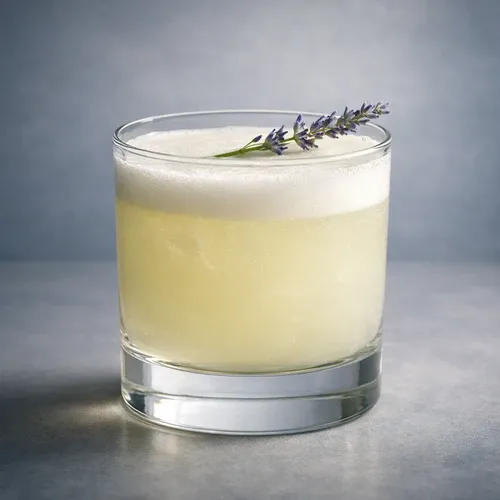
Duchamp's Punch
Ingredients for Duchamp's Punch — 6 total (3 shown, 3 more hidden).
+3


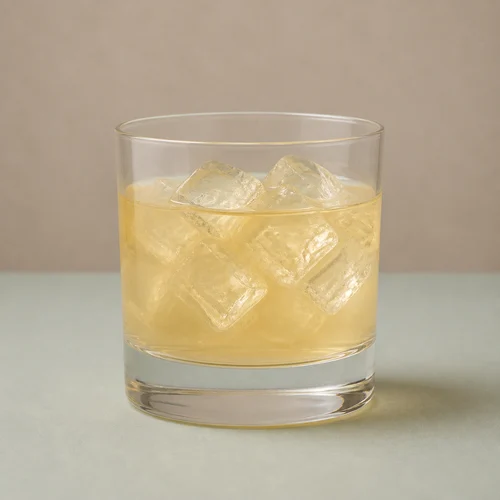
Pisco Punch
Ingredients for Pisco Punch — 3 total (3 shown).