Brandy
Alcoholic (~40% ABV) Spirits
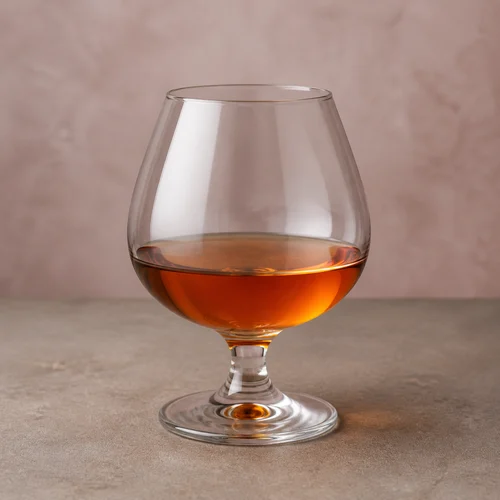
Brandy is a distilled spirit produced from wine or fermented fruit juice. Traditionally aged in wooden casks, it develops complexity, warmth, and depth through maturation. As a broad umbrella category, brandy encompasses a wide range of regional styles and production methods, from grape-based brandies to fruit brandies made from apples, pears, or stone fruits.

Flavor & Technical
This section summarizes the sensory balance and technical behavior of Brandy when used in cocktails, combining perceived flavor intensity with functional roles.
Flavor balance and intensity
Technical characteristics
How Brandy works in cocktails
Brandy is analyzed here as a working cocktail ingredient: how it changes flavor, what role it plays in a build, when it should be substituted, and which recipe patterns it supports.
Flavor role in cocktail balance
Brandy presents a rich, warming profile that is distinctly vinous, reflecting its origin from fermented fruit and wine. Common notes include dried fruit and orchard fruit, vanilla , soft caramel, and subtle baking spices supported by oak. Depending on style and age, brandy can also show nutty or rancio-like nuances, contributing to a smooth, full-bodied mouthfeel and lingering warmth.
Best uses behind the bar
Brandy is commonly used as a base spirit in spirit-forward and lightly sweetened cocktails where its fruit-driven richness provides depth and structure. It is also central to classic sour builds, where its vinous fruit character pairs naturally with citrus acidity and sweeteners. Brandy performs particularly well in stirred drinks, dessert-leaning builds, and creamy or egg-based preparations where its roundness integrates smoothly with texture. Beyond cocktails, brandy is widely used in culinary applications to enrich sauces, desserts, and reductions.
Substitutes in cocktail builds
Other grape-based brandies provide the closest substitution with minimal impact on balance. Cognac or Armagnac can replace generic brandy depending on the desired level of structure and dryness. Spanish brandy (Jerez-style) can be a strong substitute when more sweetness and sherry-like oxidative notes are desirable. In broader structural terms, dark rum or certain whiskies may substitute brandy's weight and warmth, but will significantly alter fruit character and aromatic profile.
Production and style context
Brandy traces its origins to medieval Europe, with early distillation practices emerging in the Low Countries around the 12th century. Initially valued for preservation and transport, distilled wine later evolved into a refined spirit through aging in wood. By the early modern period, brandy had become a cornerstone of European spirits production and trade.
Mixology notes
The word "brandy" derives from the Dutch term brandewijn, meaning "burnt wine," referring to the distillation process. Aging in oak barrels plays a crucial role in shaping brandy's color, texture, and complexity, with long-aged examples developing distinctive nutty and oxidative notes prized by enthusiasts.
Similar ingredients (by flavor & function)
Ingredients listed here share similar flavor characteristics or functional roles with Brandy, making them comparable in certain cocktail contexts.
Comparable in recipe usage, but structured flavor data is incomplete for this ingredient.
Explore cocktails with Brandy
Use these child hubs to compare Brandy across repeated cocktail patterns instead of reading recipes one by one. Each link groups recipes by a different structural signal.
By preparation method
Preparation method shows how Brandy behaves under technique: shaken for integration, stirred for clarity, built for direct length, heated for warmth, or blended for texture.


By glass
Glassware reveals serving format and dilution strategy for Brandy, separating short, spirit-led serves from tall, warm, frozen, or lengthened drinks.


Cocktails using Brandy
A curated selection of cocktails that showcase Brandy as a defining ingredient.




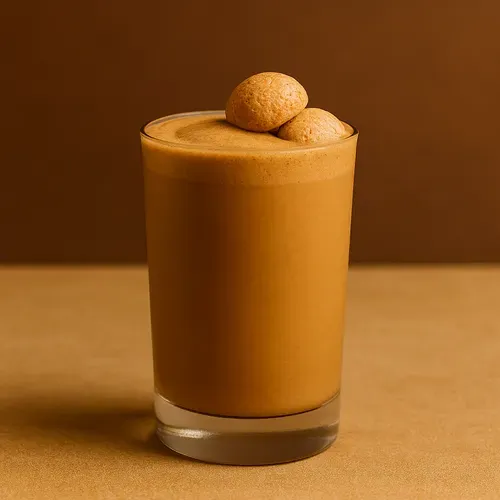
Amaretto Shake

Ingredients for Amaretto Shake — 3 total (3 shown).

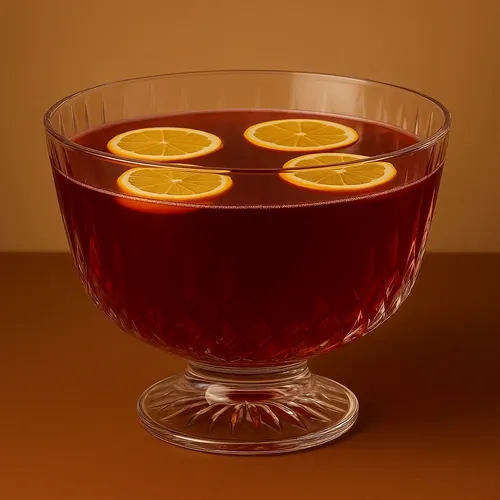
Artillery Punch

Ingredients for Artillery Punch — 9 total (3 shown, 6 more hidden).
+6