Red Wine
Alcoholic (~Commonly around 12-15% ABV) Wines & Fortified Wines
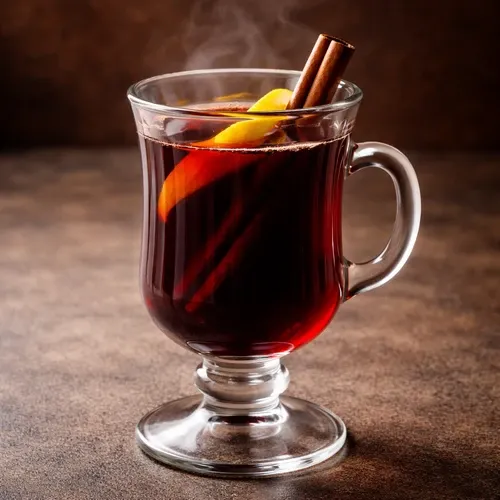
Red Wine is an alcoholic beverage made from fermented dark-skinned grapes, valued for its fruit depth, tannic structure, and wide stylistic range.

Flavor & Technical
This section summarizes the sensory balance and technical behavior of Red Wine when used in cocktails, combining perceived flavor intensity with functional roles.
Flavor balance and intensity
Technical characteristics
How Red Wine works in cocktails
Red Wine is analyzed here as a working cocktail ingredient: how it changes flavor, what role it plays in a build, when it should be substituted, and which recipe patterns it supports.
Flavor role in cocktail balance
Red wine contributes grape fruit , acidity, tannin, and wine-like dryness. In mixed drinks it functions as a low-proof base or lengthener rather than a neutral mixer.
Best uses behind the bar
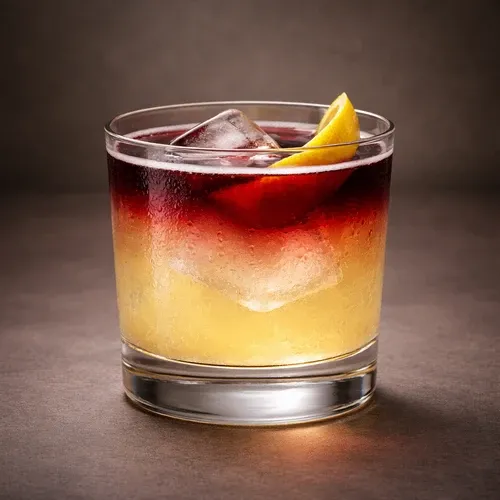
Used in sangria , wine coolers, punches, spritz-style drinks, and fortified or aromatized wine cocktails.
Substitutes in cocktail builds
Dry red vermouth , light port , non-alcoholic red wine, or grape juice with added acid can substitute depending on strength and sweetness requirements.
Production and style context
Red wine production dates back several millennia, with early evidence found in the South Caucasus and Near East. It became central to ancient Mediterranean cultures and later diversified globally as viticulture and winemaking techniques spread and evolved.
Mixology notes
Red wine's color and much of its tannic structure derive from contact between grape juice and skins during fermentation. Differences in grape variety, terroir, and aging methods—including oak—create a wide spectrum of styles, from light-bodied and fresh to full-bodied and age-worthy.
Frequently paired with
These ingredients frequently appear alongside Red Wine in cocktail recipes, based on co-occurrence across the database.
Used with Red Wine in 5 cocktails
Explore cocktails with Red Wine
Use these child hubs to compare Red Wine across repeated cocktail patterns instead of reading recipes one by one. Each link groups recipes by a different structural signal.
By preparation method
Preparation method shows how Red Wine behaves under technique: shaken for integration, stirred for clarity, built for direct length, heated for warmth, or blended for texture.

By glass
Glassware reveals serving format and dilution strategy for Red Wine, separating short, spirit-led serves from tall, warm, frozen, or lengthened drinks.


Cocktails using Red Wine
A curated selection of cocktails that showcase Red Wine as a defining ingredient.
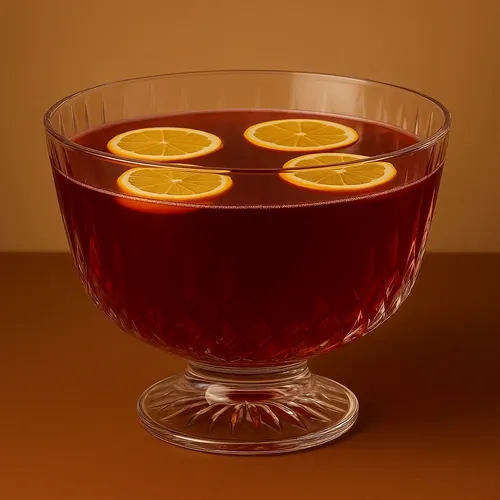
Artillery Punch


Ingredients for Artillery Punch — 9 total (3 shown, 6 more hidden).
+6