Sugar
Non-Alcoholic (~0% ABV) Salts & Sugars (Rimming/Specialty)
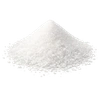
Sugar is a neutral sweetening ingredient used in cocktails to balance acidity, bitterness, dilution, and alcohol heat without adding a distinct aroma of its own.

Flavor & Technical
This section summarizes the sensory balance and technical behavior of Sugar when used in cocktails, combining perceived flavor intensity with functional roles.
Flavor balance and intensity
Technical characteristics
How Sugar works in cocktails
Sugar is analyzed here as a working cocktail ingredient: how it changes flavor, what role it plays in a build, when it should be substituted, and which recipe patterns it supports.
Flavor role in cocktail balance
Sugar provides direct, clean sweetness with no meaningful acidity, bitterness, aroma, or fruit character. Its structural role in cocktails is to round sharp citrus, soften bitter ingredients, increase perceived body, and help flavors integrate. Solid sugar dissolves more slowly than syrup, so it performs best when muddled, shaken vigorously, or pre-dissolved.
Best uses behind the bar
Used in sours, Collins-style drinks, juleps, old fashioned-style builds, punches, rims, and house syrups. In contemporary cocktail work, sugar is typically converted into simple syrup or rich syrup for accurate dosing and smooth integration.
Substitutes in cocktail builds
Simple syrup is the most practical substitute, as it is sugar already dissolved in water. Honey syrup , agave syrup , demerara syrup, maple syrup , or brown sugar syrup can replace sugar when additional flavor and texture are desired, though each alters the drink's aroma and sweetness perception.
Production and style context
Sugar has been used for centuries as a sweetening agent and was historically a luxury commodity due to its labor-intensive production. Its increased availability played a key role in the development of early mixed drinks and classic cocktail structures.
Mixology notes
Because solid sugar dissolves slowly in cold liquids, it is rarely used directly in modern cocktails. This limitation led to the widespread adoption of sugar syrups as the standard form for achieving consistent sweetness.
Frequently paired with
These ingredients frequently appear alongside Sugar in cocktail recipes, based on co-occurrence across the database.
Used with Sugar in 23 cocktails
Used with Sugar in 8 cocktails
Used with Sugar in 10 cocktails
Used with Sugar in 7 cocktails
Used with Sugar in 7 cocktails
Used with Sugar in 5 cocktails
Explore cocktails with Sugar
Use these child hubs to compare Sugar across repeated cocktail patterns instead of reading recipes one by one. Each link groups recipes by a different structural signal.
By preparation method
Preparation method shows how Sugar behaves under technique: shaken for integration, stirred for clarity, built for direct length, heated for warmth, or blended for texture.


By glass
Glassware reveals serving format and dilution strategy for Sugar, separating short, spirit-led serves from tall, warm, frozen, or lengthened drinks.


Cocktails using Sugar
A curated selection of cocktails that showcase Sugar as a defining ingredient.
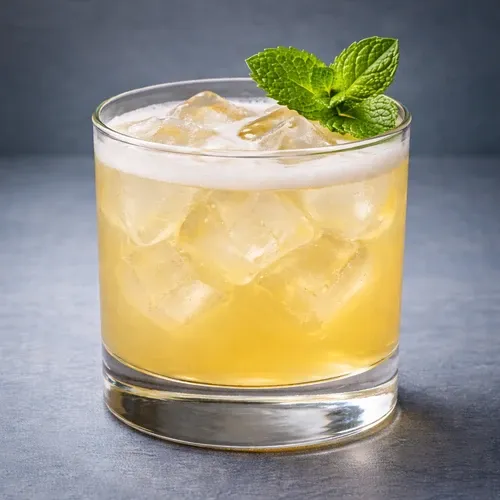
Acapulco
Ingredients for Acapulco — 6 total (3 shown, 3 more hidden).
+3
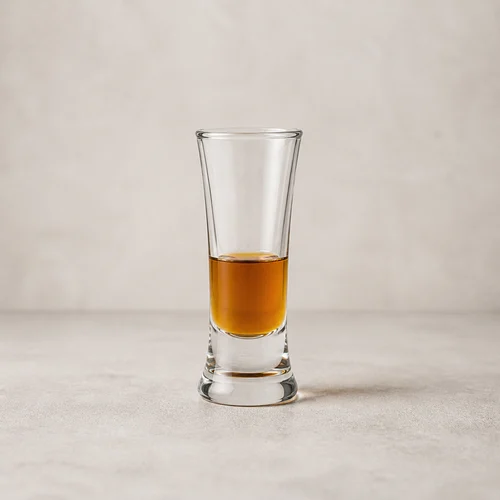

Angelica Liqueur
Ingredients for Angelica Liqueur — 12 total (3 shown, 9 more hidden).
+9