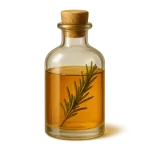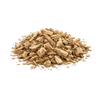
Angelica Root
Non-Alcoholic (~0% ABV as a dry botanical.) Fresh Herbs & Botanicals
Angelica root is a dry botanical root used in spirits, bitters, and infusions for earthy herbal depth, gentle bitterness, and structural aromatic binding.

Flavor & Technical
This section summarizes the sensory balance and technical behavior of Angelica Root when used in cocktails, combining perceived flavor intensity with functional roles.
Flavor balance and intensity
Technical characteristics
How Angelica Root works in cocktails
Angelica Root is analyzed here as a working cocktail ingredient: how it changes flavor, what role it plays in a build, when it should be substituted, and which recipe patterns it supports.
Flavor role in cocktail balance
Angelica root is earthy, dry, musky, herbal, faintly spicy, and gently bitter. It functions as a grounding element rather than a bright top note, connecting louder herbs, citrus peels, roots, and spices into a cohesive aromatic structure. In cocktails it typically appears through gin , bitters , vermouth , liqueurs, or house infusions rather than as a direct garnish.
Best uses behind the bar
Used in botanical infusions, gin-inspired syrups, bitters , vermouth-style modifiers, amaro builds, savory herbal cocktails, and experimental tinctures. It provides dryness and botanical backbone without adding sweetness.
Substitutes in cocktail builds
Gentian root offers more bitterness with less warmth. Orris root provides floral dryness. Wormwood delivers sharper bitterness. Licorice root adds sweetness and anise-like depth rather than earthy dryness.
Production and style context
Angelica has been used in Europe since antiquity for both culinary and medicinal purposes. Its root became especially valued in herbal traditions for its aromatic stability and grounding character.
Mixology notes
Angelica root contains natural musky compounds that help anchor volatile aromatics. It is often used as a fixative botanical in complex herbal formulations for this reason.
Explore cocktails with Angelica Root
Use these child hubs to compare Angelica Root across repeated cocktail patterns instead of reading recipes one by one. Each link groups recipes by a different structural signal.

Cocktails using Angelica Root
All cocktails in our collection that feature Angelica Root as a core ingredient.
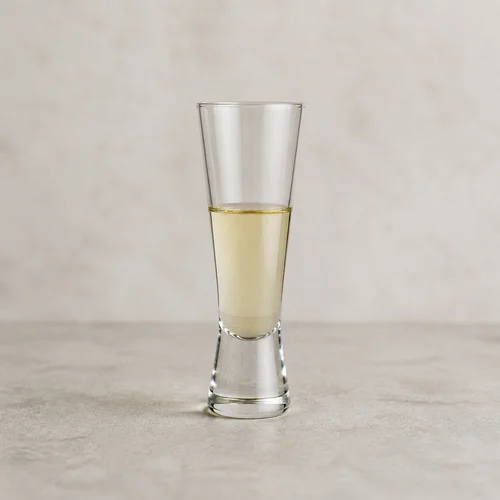
Angelica Liqueur

Ingredients for Angelica Liqueur — 12 total (3 shown, 9 more hidden).
+9