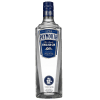
Gin
Alcoholic (~40% ABV) Spirits
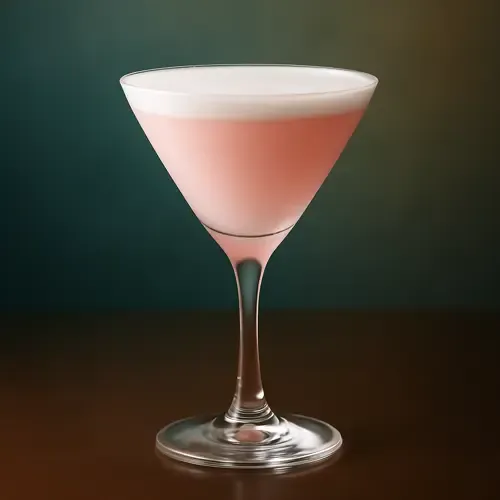
Gin is a distilled spirit defined by a juniper-forward botanical profile. Typically dry and aromatic, it provides structure, lift, and clarity in cocktails where botanical character is central to the drink's identity.

Flavor & Technical
This section summarizes the sensory balance and technical behavior of Gin when used in cocktails, combining perceived flavor intensity with functional roles.
Flavor balance and intensity
Technical characteristics
How Gin works in cocktails
Gin is analyzed here as a working cocktail ingredient: how it changes flavor, what role it plays in a build, when it should be substituted, and which recipe patterns it supports.
Flavor role in cocktail balance
Juniper leads with piney and resinous notes, supported by herbal complexity and bright citrus peel. The profile is dry rather than sweet, with subtle spice and a clean, persistent aromatic finish that carries well in mixed drinks. This profile reflects a classic London Dry style; sweeter Old Tom or fuller, earthier styles read slightly rounder in perceived sweetness and spice.
Best uses behind the bar
Gin is primarily used as a base spirit in cocktails where aromatic precision is essential. It excels in stirred classics that emphasize clarity and balance, performs strongly in citrus-driven sours where its structure supports acidity, and shines in long drinks where carbonation amplifies its botanical aromas.
Substitutes in cocktail builds
Vodka is the closest structural substitute in terms of production and alcoholic strength, but it removes juniper character and significantly reduces aromatic complexity. When gin is substituted, the resulting drink retains alcohol and balance but loses its defining botanical identity.
Production and style context
Gin evolved from earlier juniper-based spirits and developed into drier, more refined styles over time. It became a cornerstone of early cocktail culture and remains one of the most important base spirits in classic and modern mixology.
Mixology notes
For a spirit to be classified as gin, juniper must be the dominant flavor. Most modern gins are produced by flavoring or redistilling a neutral spirit with botanicals, which explains why vodka is its closest technical relative despite lacking aromatic depth.
Frequently paired with
These ingredients frequently appear alongside Gin in cocktail recipes, based on co-occurrence across the database.
Used with Gin in 29 cocktails
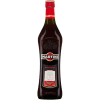
Used with Gin in 13 cocktails
Used with Gin in 7 cocktails
Used with Gin in 14 cocktails
Used with Gin in 11 cocktails
Explore cocktails with Gin
Use these child hubs to compare Gin across repeated cocktail patterns instead of reading recipes one by one. Each link groups recipes by a different structural signal.
By preparation method
Preparation method shows how Gin behaves under technique: shaken for integration, stirred for clarity, built for direct length, heated for warmth, or blended for texture.


By glass
Glassware reveals serving format and dilution strategy for Gin, separating short, spirit-led serves from tall, warm, frozen, or lengthened drinks.


Cocktails using Gin
A curated selection of cocktails that showcase Gin as a defining ingredient.
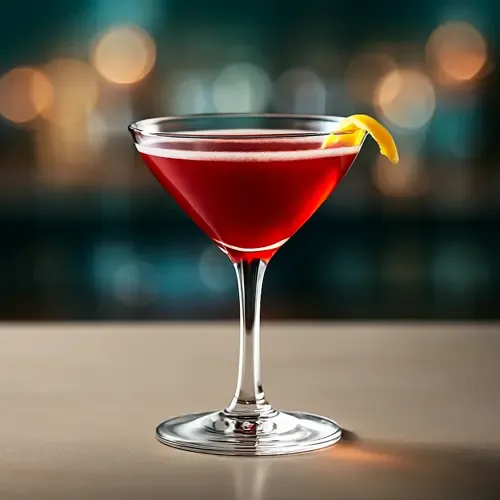
A1
Ingredients for A1 — 5 total (3 shown, 2 more hidden).
+2

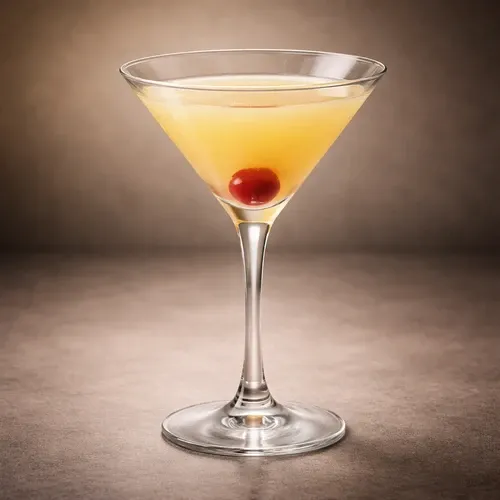
Abbey Cocktail
Ingredients for Abbey Cocktail — 4 total (3 shown, 1 more hidden).
+1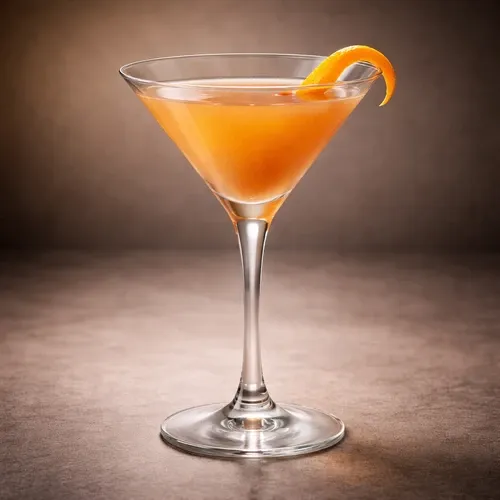
Abbey Martini
Ingredients for Abbey Martini — 5 total (3 shown, 2 more hidden).
+2