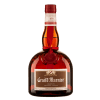
Grand Marnier
Alcoholic (~40% ABV) Liqueurs & Cordials
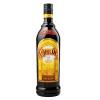
Grand Marnier is a branded French orange liqueur made by blending cognac with bitter orange essence and sugar. In mixology it functions as a high-proof orange liqueur modifier, delivering citrus peel aromatics, sweetness, and a distinct cognac-driven depth.

Flavor & Technical
This section summarizes the sensory balance and technical behavior of Grand Marnier when used in cocktails, combining perceived flavor intensity with functional roles.
Flavor balance and intensity
Technical characteristics
How Grand Marnier works in cocktails
Grand Marnier is analyzed here as a working cocktail ingredient: how it changes flavor, what role it plays in a build, when it should be substituted, and which recipe patterns it supports.
Flavor role in cocktail balance
Grand Marnier presents pronounced bitter-orange peel aromatics layered over a rich cognac base. Sweetness is balanced rather than dominant, with light vanilla and oak notes from aged spirit contributing warmth and complexity. Bitterness is moderate from citrus peel, acidity is low, and the finish is long and spirit-forward.
Best uses behind the bar
Used as a premium orange liqueur modifier to add citrus aroma, sweetness, and spirit depth simultaneously. It can replace both an orange liqueur and part of the base spirit, reinforcing structure in classic sour and spirit-forward builds.
Substitutes in cocktail builds
Cointreau or triple sec can replace orange aroma and sweetness but lack the cognac-driven richness and weight. Brandy combined with orange liqueur can approximate structure, though integration and balance differ from the original branded profile.
Production and style context
Grand Marnier was created in 1880 by Alexandre Marnier-Lapostolle in France, combining cognac with bitter orange essence at a time when most orange liqueurs used neutral spirit. This approach established it as a richer, more spirit-forward alternative within the category.
Mixology notes
Unlike many orange liqueurs, Grand Marnier relies on a cognac base, which gives it higher perceived weight and warmth. Its versatility allows it to function both as a modifier and as a partial base component in cocktails.
Brand disclaimer
This page includes Grand Marnier as an example of a branded ingredient for reference and classification purposes. Fizzando operates independently and has no commercial relationship with the brand or its producer. Brand names and trademarks are used solely to identify the products discussed.
Similar ingredients (by flavor & function)
Ingredients listed here share similar flavor characteristics or functional roles with Grand Marnier, making them comparable in certain cocktail contexts.
Comparable in recipe usage, but structured flavor data is incomplete for this ingredient.
Comparable in recipe usage, but structured flavor data is incomplete for this ingredient.
Comparable in recipe usage, but structured flavor data is incomplete for this ingredient.
Explore cocktails with Grand Marnier
Use these child hubs to compare Grand Marnier across repeated cocktail patterns instead of reading recipes one by one. Each link groups recipes by a different structural signal.
By preparation method
Preparation method shows how Grand Marnier behaves under technique: shaken for integration, stirred for clarity, built for direct length, heated for warmth, or blended for texture.


By glass
Glassware reveals serving format and dilution strategy for Grand Marnier, separating short, spirit-led serves from tall, warm, frozen, or lengthened drinks.


Cocktails using Grand Marnier
A curated selection of cocktails that showcase Grand Marnier as a defining ingredient.
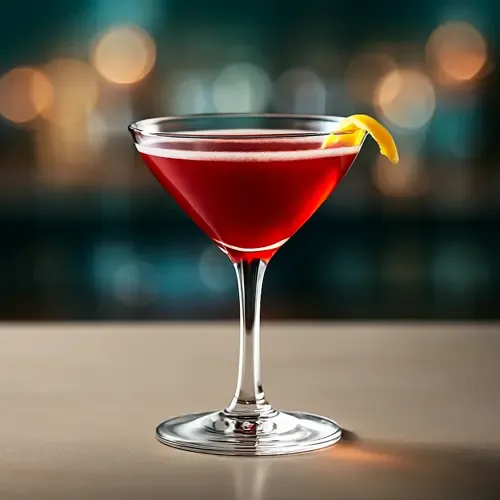
A1
Ingredients for A1 — 5 total (3 shown, 2 more hidden).
+2

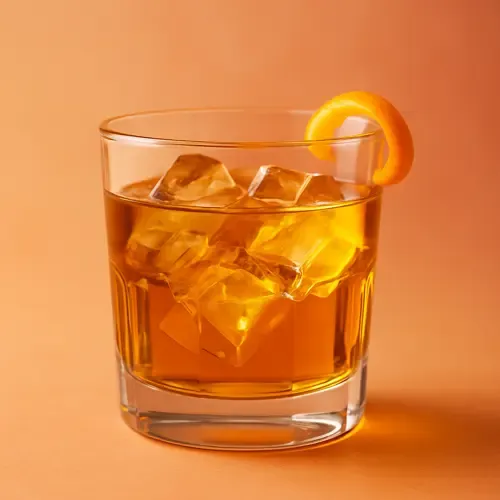
Alice in Wonderland
Ingredients for Alice in Wonderland — 3 total (3 shown).
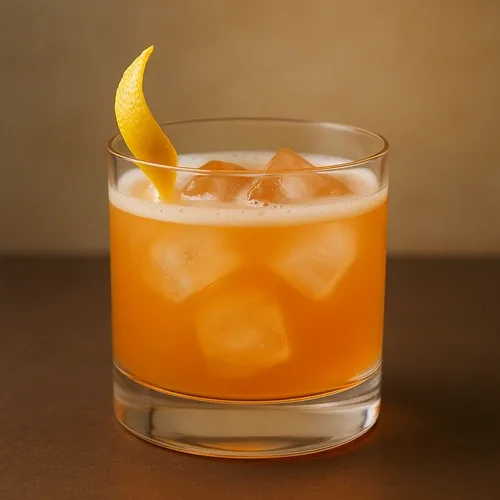
Arthur Tompkins
Ingredients for Arthur Tompkins — 4 total (3 shown, 1 more hidden).
+1