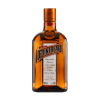
Cointreau
Alcoholic (~40% ABV.) Liqueurs & Cordials
Cointreau is a clear French triple sec-style orange liqueur made from sweet and bitter orange peels, used for precise citrus sweetness and aromatic lift.

Flavor & Technical
This section summarizes the sensory balance and technical behavior of Cointreau when used in cocktails, combining perceived flavor intensity with functional roles.
Flavor balance and intensity
Technical characteristics
How Cointreau works in cocktails
Cointreau is analyzed here as a working cocktail ingredient: how it changes flavor, what role it plays in a build, when it should be substituted, and which recipe patterns it supports.
Flavor role in cocktail balance
Cointreau delivers a bright, clean orange character with notable dryness despite its sugar content. Bitter orange peel contributes aromatic intensity and subtle bitterness, while the higher proof maintains cocktail structure without syrupy weight. It functions simultaneously as sweetener and citrus modifier, anchoring Margaritas, Sidecars, Cosmopolitans, and numerous sours.
Best uses behind the bar
Used in Margaritas, Sidecars, Cosmopolitans, White Ladies, Corpse Reviver No. 2 variations, tiki recipes, citrus sours, and premium orange liqueur builds. It bridges base spirits with lemon , lime , cranberry, tequila , brandy , gin , and rum .
Substitutes in cocktail builds
Triple sec serves as the broad substitute but typically at lower proof and higher sweetness. Grand Marnier offers richer, cognac-based character. Dry curaçao provides greater complexity with less neutrality. Orange syrup or extract lacks the necessary alcoholic structure.
Production and style context
Cointreau was created in 1875 by Édouard Cointreau in Angers, France. Its method of distilling sweet and bitter orange peels established a new standard for clear orange liqueurs and made it a cornerstone of classic cocktail culture.
Mixology notes
Bottled at 40% ABV, Cointreau is stronger and drier than most orange liqueurs. This higher alcohol content allows it to function not only as a flavoring agent but also as a structural component in many classic cocktails.
Brand disclaimer
This page includes Cointreau as an example of a branded ingredient for reference and classification purposes. Fizzando operates independently and has no commercial relationship with the brand or its producer. Brand names and trademarks are used solely to identify the products discussed.
Explore cocktails with Cointreau
Use these child hubs to compare Cointreau across repeated cocktail patterns instead of reading recipes one by one. Each link groups recipes by a different structural signal.
By preparation method
Preparation method shows how Cointreau behaves under technique: shaken for integration, stirred for clarity, built for direct length, heated for warmth, or blended for texture.


Cocktails using Cointreau
A curated selection of cocktails that showcase Cointreau as a defining ingredient.
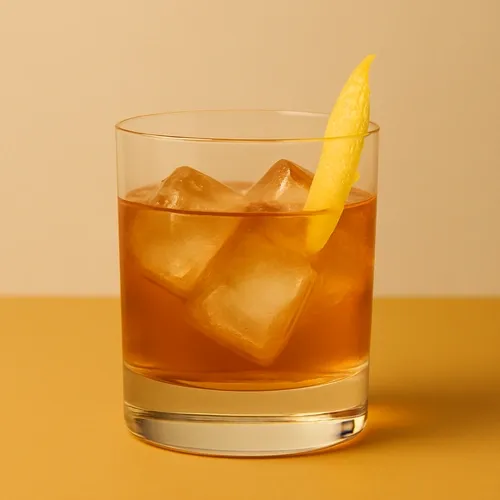
Applejack

Ingredients for Applejack — 4 total (3 shown, 1 more hidden).
+1


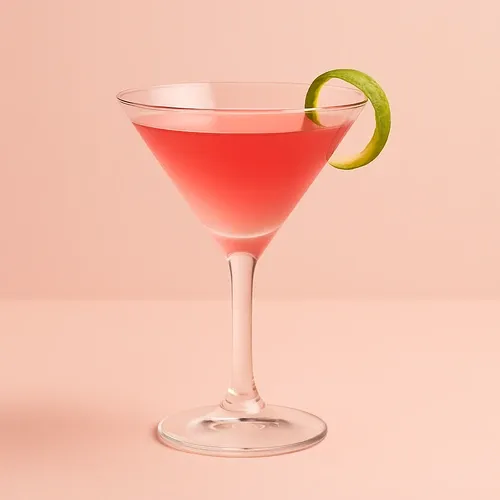
Cosmopolitan

Ingredients for Cosmopolitan — 5 total (3 shown, 2 more hidden).
+2