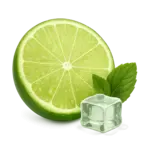
Fresh Lemon Juice
Non-Alcoholic (~0% ABV) Citrus Juices
Fresh lemon juice is the freshly pressed juice of ripe lemons. It is valued in cocktails for its high acidity, bright citrus character, and ability to balance sweetness, structure drinks, and provide a clean, refreshing finish.

Flavor & Technical
This section summarizes the sensory balance and technical behavior of Fresh Lemon Juice when used in cocktails, combining perceived flavor intensity with functional roles.
Flavor balance and intensity
Technical characteristics
How Fresh Lemon Juice works in cocktails
Fresh Lemon Juice is analyzed here as a working cocktail ingredient: how it changes flavor, what role it plays in a build, when it should be substituted, and which recipe patterns it supports.
Flavor role in cocktail balance
Fresh lemon juice delivers sharp, assertive acidity with bright citrus aromatics and a clean, zesty finish. Compared to other citrus juices, it is more linear and piercing, with minimal sweetness and a crisp mouthfeel. Its primary role is structural rather than aromatic, providing tension and clarity by cutting through sugar and alcohol.
Best uses behind the bar
Fresh lemon juice is a foundational acidic component in classic and modern cocktails. It is essential in sour-style drinks such as the Whiskey Sour and Tom Collins , as well as numerous variations built on spirits and sweeteners. Beyond cocktails, it is widely used in culinary applications including dressings, marinades, and desserts where acidity and freshness are required.
Substitutes in cocktail builds
Lime juice is the closest substitute, offering similar acidity with a greener, more aromatic citrus profile. Orange juice can replace lemon juice only in limited contexts, as it is significantly sweeter and less acidic, requiring recipe adjustments. Bottled lemon juice may provide acidity but lacks the aromatic brightness and balance of fresh juice.
Production and style context
Lemons originated in Asia and spread westward through trade routes into the Mediterranean region. Their juice has been used for centuries in both culinary and beverage traditions, prized for its preservative qualities, acidity, and refreshing character. Lemon juice became a cornerstone of early cocktail formulations as sour-style drinks developed.
Mixology notes
Fresh lemon juice was historically used by sailors to prevent scurvy due to its high vitamin C content. In cocktails, its acidity plays a critical technical role: even small variations in freshness or dilution can significantly affect balance, which is why fresh juice is strongly preferred over bottled alternatives.
Frequently paired with
These ingredients frequently appear alongside Fresh Lemon Juice in cocktail recipes, based on co-occurrence across the database.
Used with Fresh Lemon Juice in 9 cocktails
Used with Fresh Lemon Juice in 4 cocktails
Explore cocktails with Fresh Lemon Juice
Use these child hubs to compare Fresh Lemon Juice across repeated cocktail patterns instead of reading recipes one by one. Each link groups recipes by a different structural signal.
By preparation method
Preparation method shows how Fresh Lemon Juice behaves under technique: shaken for integration, stirred for clarity, built for direct length, heated for warmth, or blended for texture.


By glass
Glassware reveals serving format and dilution strategy for Fresh Lemon Juice, separating short, spirit-led serves from tall, warm, frozen, or lengthened drinks.


Cocktails using Fresh Lemon Juice
A curated selection of cocktails that showcase Fresh Lemon Juice as a defining ingredient.

Adam & Eve

Ingredients for Adam & Eve — 5 total (3 shown, 2 more hidden).
+2


Applejack
Ingredients for Applejack — 4 total (3 shown, 1 more hidden).
+1


Gin Fizz
Ingredients for Gin Fizz — 5 total (3 shown, 2 more hidden).
+2