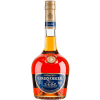
Cognac
Alcoholic (~40% ABV) Spirits
Cognac is a French grape brandy produced exclusively in the Cognac region under strict appellation rules. Distilled from wine using copper pot stills and aged in French oak, it represents one of the most refined expressions of aged brandy, defined by controlled production methods, regional terroir, and extended maturation.

Flavor & Technical
This section summarizes the sensory balance and technical behavior of Cognac when used in cocktails, combining perceived flavor intensity with functional roles.
Flavor balance and intensity
Technical characteristics
How Cognac works in cocktails
Cognac is analyzed here as a working cocktail ingredient: how it changes flavor, what role it plays in a build, when it should be substituted, and which recipe patterns it supports.
Flavor role in cocktail balance
Cognac presents a rich, layered profile built on dried and candied fruit notes such as raisin and fig, often accompanied by vanilla , caramelized oak, and gentle baking spices. With extended aging, particularly in XO expressions, it develops pronounced rancio character—earthy, nutty, and lightly mushroom-like notes that add depth and complexity. The palate is smooth, rounded, and warming, with an elegant, persistent finish that emphasizes refinement over intensity.
Best uses behind the bar
Cognac is commonly used as a base spirit in spirit-forward and lightly sweetened mixed drinks where structure, depth, and elegance are desired. It is also frequently employed in split-base applications, where small proportions are added to more neutral spirits to provide aromatic richness and dried-fruit complexity. In culinary contexts, Cognac is used in sauces, desserts, and reductions to contribute oak-aged depth and aromatic lift.
Substitutes in cocktail builds
Armagnac provides the closest substitution, offering similar grape-based structure with a slightly more rustic and robust profile. Brandy de Jerez can also function as a substitute in less delicate applications, though it introduces a sweeter, more sherry-driven character. Other aged grape brandies may replicate weight and warmth but often lack the balance and finesse of Cognac.
Production and style context
Cognac production developed in western France from the distillation of surplus wine, with documented practices dating to the 16th century. Over time, refinements in double distillation and barrel aging led to a highly codified system of quality and aging classifications. By the 19th century, Cognac had become internationally recognized as a benchmark of luxury and craftsmanship.
Mixology notes
Cognac must be double-distilled in copper pot stills and aged in French oak to qualify under its appellation rules. Aging classifications such as VS, VSOP, and XO indicate minimum maturation periods, with XO designating extended aging that contributes pronounced oak, spice, and oxidative complexity.
Similar ingredients (by flavor & function)
Ingredients listed here share similar flavor characteristics or functional roles with Cognac, making them comparable in certain cocktail contexts.
Explore cocktails with Cognac
Use these child hubs to compare Cognac across repeated cocktail patterns instead of reading recipes one by one. Each link groups recipes by a different structural signal.
By preparation method
Preparation method shows how Cognac behaves under technique: shaken for integration, stirred for clarity, built for direct length, heated for warmth, or blended for texture.


By glass
Glassware reveals serving format and dilution strategy for Cognac, separating short, spirit-led serves from tall, warm, frozen, or lengthened drinks.


Cocktails using Cognac
A curated selection of cocktails that showcase Cognac as a defining ingredient.
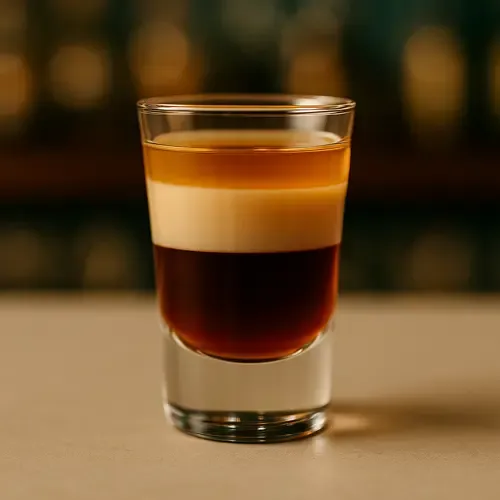
ABC


Ingredients for ABC — 3 total (3 shown).

Adam & Eve

Ingredients for Adam & Eve — 5 total (3 shown, 2 more hidden).
+2

Adios Amigos

Ingredients for Adios Amigos — 7 total (3 shown, 4 more hidden).
+4