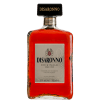
Amaretto
Alcoholic (~Typically 24–30% ABV) Liqueurs & Cordials
Amaretto is a sweet Italian liqueur characterized by its distinctive bitter-almond aroma and rich, nutty sweetness. Traditionally made using almonds and/or apricot pits, sugar, and a neutral or brandy-based spirit, it occupies a central role in classic and modern cocktail recipes.

Flavor & Technical
This section summarizes the sensory balance and technical behavior of Amaretto when used in cocktails, combining perceived flavor intensity with functional roles.
Flavor balance and intensity
Technical characteristics
How Amaretto works in cocktails
Amaretto is analyzed here as a working cocktail ingredient: how it changes flavor, what role it plays in a build, when it should be substituted, and which recipe patterns it supports.
Flavor role in cocktail balance
Amaretto delivers a pronounced sweet almond profile dominated by marzipan, toasted nut, and stone-kernel notes, supported by a characteristic bitter-almond edge. While clearly sweet, its bitterness prevents cloying, giving amaretto a distinctive balance that sits between dessert liqueur and aromatic modifier. The mouthfeel is rich and slightly syrupy, designed to add body and roundness to drinks.
Best uses behind the bar
Amaretto functions as a sweet, nut-driven modifier that adds richness, perceived sweetness, and almond aromatics to mixed drinks and culinary preparations. It often acts as a structural bridge between dark spirits and acidity, replacing simple sweeteners while contributing depth and aromatic complexity. This makes it particularly effective in sour-style drinks and spirit-forward combinations where balance is achieved through contrast rather than added sugar .
Substitutes in cocktail builds
Almond extract combined with simple syrup can replicate amaretto's core aroma and sweetness, though this lacks depth and bitterness. Orgeat syrup provides a softer, milkier almond character with less bitterness and no alcohol, making it suitable only in limited substitution scenarios.
Production and style context
Amaretto originated in Italy and became widely known through commercial bottlings in the 20th century. Traditionally associated with Lombardy, it evolved from regional almond- and stone-pit-based spirits into a globally recognized liqueur used in both cocktails and desserts.
Mixology notes
Despite its name, amaretto is not always made from almonds; many traditional and commercial versions rely on apricot pits, which naturally contain benzaldehyde, the compound responsible for the characteristic bitter-almond aroma. The name "amaretto" derives from the Italian word for "little bitter."
Similar ingredients (by flavor & function)
Ingredients listed here share similar flavor characteristics or functional roles with Amaretto, making them comparable in certain cocktail contexts.
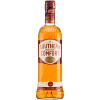
Comparable in recipe usage, but structured flavor data is incomplete for this ingredient.
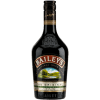
Comparable in recipe usage, but structured flavor data is incomplete for this ingredient.
Frequently paired with
These ingredients frequently appear alongside Amaretto in cocktail recipes, based on co-occurrence across the database.
Used with Amaretto in 8 cocktails
Used with Amaretto in 4 cocktails
Explore cocktails with Amaretto
Use these child hubs to compare Amaretto across repeated cocktail patterns instead of reading recipes one by one. Each link groups recipes by a different structural signal.
By preparation method
Preparation method shows how Amaretto behaves under technique: shaken for integration, stirred for clarity, built for direct length, heated for warmth, or blended for texture.


By glass
Glassware reveals serving format and dilution strategy for Amaretto, separating short, spirit-led serves from tall, warm, frozen, or lengthened drinks.


Cocktails using Amaretto
A curated selection of cocktails that showcase Amaretto as a defining ingredient.
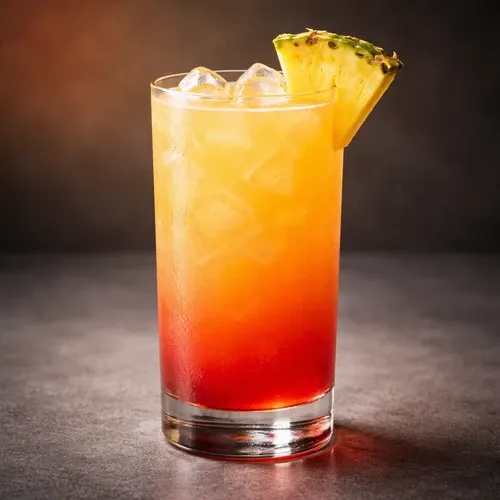
A Day at the Beach
Ingredients for A Day at the Beach — 5 total (3 shown, 2 more hidden).
+2

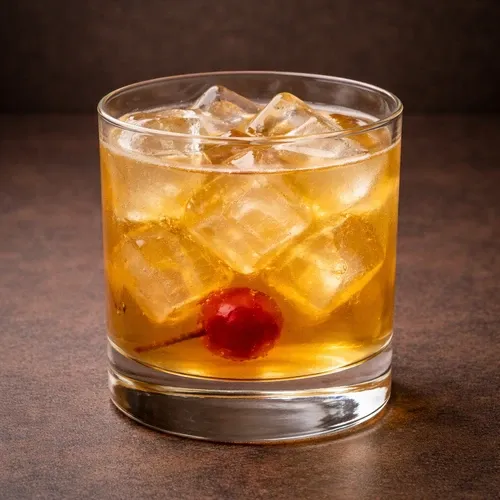
A Piece of Ass
Ingredients for A Piece of Ass — 5 total (3 shown, 2 more hidden).
+2
A True Amaretto Sour
Ingredients for A True Amaretto Sour — 4 total (3 shown, 1 more hidden).
+1