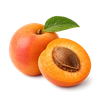
Apricot
Non-Alcoholic (~0% ABV) Fresh Fruits (Solid/Garnish)
Apricot is a fresh stone fruit used in mixology for its soft sweetness, gentle acidity, and delicate floral aroma. When used whole or cut fresh, it contributes ripe fruit character, natural body, and subtle aromatic depth without overpowering a drink.
Flavor & Technical
This section summarizes the sensory balance and technical behavior of Apricot when used in cocktails, combining perceived flavor intensity with functional roles.
Flavor balance and intensity
Technical characteristics
How Apricot works in cocktails
Apricot is analyzed here as a working cocktail ingredient: how it changes flavor, what role it plays in a build, when it should be substituted, and which recipe patterns it supports.
Flavor role in cocktail balance
Apricot delivers mellow, rounded sweetness with light malic acidity, soft honeyed notes, and subtle floral nuances. Its profile is less sharp than citrus fruits, providing freshness and fruit character with a smooth, approachable balance.
Best uses behind the bar
Fresh apricot is used as a solid fruit component to add aroma, gentle sweetness, and visual appeal. In cocktails it is typically sliced or skewered as a garnish, lightly muddled to release natural sugars, or incorporated into fruit-forward punches and seasonal preparations where fresh texture and aroma are desired.
Substitutes in cocktail builds
Peach or nectarine can substitute apricot with similar sweetness and juiciness, though typically with lower acidity and fewer floral notes. Dried apricots may be used for concentrated flavor but introduce higher sweetness and reduced freshness.
Production and style context
Apricots originated in China and spread westward through Central Asia and the Mediterranean via ancient trade routes. They have been cultivated for thousands of years and valued for their aroma, sweetness, and versatility as a fresh fruit .
Mixology notes
Apricot flesh is rich in natural sugars and vitamin A, while the pits contain amygdalin and are not used in fresh cocktail applications. The fruit 's aromatic profile makes it especially suitable for subtle, fresh, fruit-driven drinks.
Cocktail using Apricot
The only cocktail in our collection that features Apricot as a key ingredient.