Mango
Non-Alcoholic (~0% ABV) Fresh Fruits (Solid/Garnish)
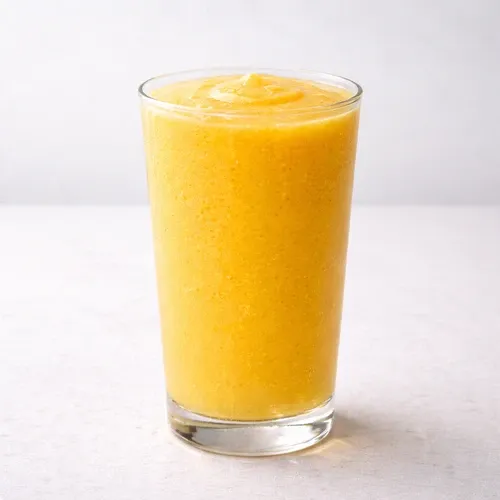
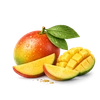
Mango is a tropical fresh fruit used in cocktails for lush sweetness, golden color, soft body, and ripe tropical aroma.

Flavor & Technical
This section summarizes the sensory balance and technical behavior of Mango when used in cocktails, combining perceived flavor intensity with functional roles.
Flavor balance and intensity
Technical characteristics
How Mango works in cocktails
Mango is analyzed here as a working cocktail ingredient: how it changes flavor, what role it plays in a build, when it should be substituted, and which recipe patterns it supports.
Flavor role in cocktail balance
Mango delivers rich, sweet, pulpy character with floral and tropical notes, exhibiting lower acidity than pineapple or passion fruit . It lends blended and shaken drinks a velvety fruit body and sunny aroma. Ripe mango can make cocktails feel round and dessert-like, often requiring lime , chili, ginger , sparkling mixers, or dry spirits for balance.
Best uses behind the bar
Used in mango Margaritas, Daiquiri-style drinks, smoothies, tropical sours, frozen drinks, rum punches, tequila cocktails, non-alcoholic coolers, and fruit-forward brunch serves.
Substitutes in cocktail builds
Peach provides similar softness with less tropical aroma. Papaya offers mellow tropical character. Pineapple brings brighter, more acidic notes. Mango nectar can replace fresh fruit with smoother liquid texture.
Production and style context
Mango is believed to have originated in South Asia around 4,000 years ago. It has since spread to various tropical regions and is now enjoyed worldwide.
Mixology notes
Mangos are the most widely consumed fruit in the world. There are over 1,000 different varieties of mango, each with its own unique flavor and texture.
Explore cocktails with Mango
Use these child hubs to compare Mango across repeated cocktail patterns instead of reading recipes one by one. Each link groups recipes by a different structural signal.
By preparation method
Preparation method shows how Mango behaves under technique: shaken for integration, stirred for clarity, built for direct length, heated for warmth, or blended for texture.

By glass
Glassware reveals serving format and dilution strategy for Mango, separating short, spirit-led serves from tall, warm, frozen, or lengthened drinks.


Cocktails using Mango
All cocktails in our collection that feature Mango as a core ingredient.
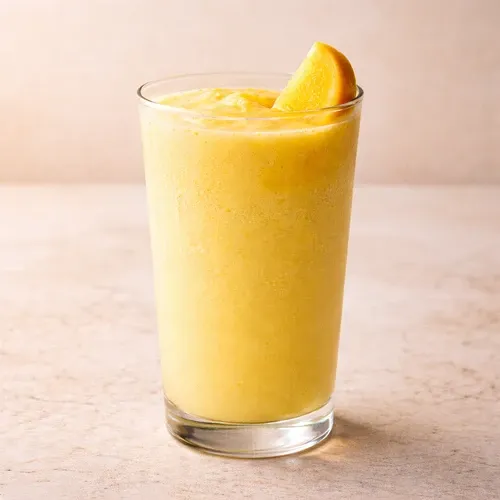

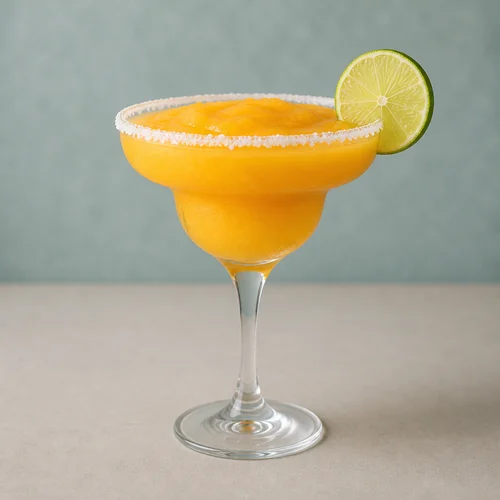
Mango Margarita

Ingredients for Mango Margarita — 7 total (3 shown, 4 more hidden).
+4

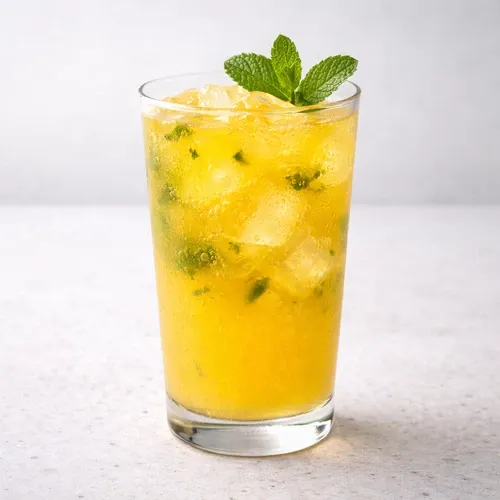
Mango Mojito

Ingredients for Mango Mojito — 9 total (3 shown, 6 more hidden).
+6