Ice
Non-Alcoholic (~0% ABV) Miscellaneous
Ice is a technical cocktail ingredient used to chill, dilute, aerate, blend, and control texture rather than to add flavor.

Flavor & Technical
This section summarizes the sensory balance and technical behavior of Ice when used in cocktails, combining perceived flavor intensity with functional roles.
Flavor balance and intensity
Technical characteristics
How Ice works in cocktails
Ice is analyzed here as a working cocktail ingredient: how it changes flavor, what role it plays in a build, when it should be substituted, and which recipe patterns it supports.
Flavor role in cocktail balance
Ice contributes no flavor of its own, but it profoundly affects how a cocktail tastes. Cold temperature suppresses alcohol volatility, dilution opens aromas and softens intensity, and different formats produce distinct textures: large cubes dilute slowly, cracked ice chills rapidly, and crushed ice yields a cold, slushy, high-dilution serve.
Best uses behind the bar
Used for shaking, stirring, building, blending, serving over rocks, swizzling, and chilling glassware. Ice selection is integral to recipe design: a Martini requires cold dilution from stirring, a Julep demands crushed ice, and a highball relies on stable cubes that preserve carbonation.
Substitutes in cocktail builds
There is no true cocktail substitute for ice because chilling without dilution fundamentally alters the drink. Frozen fruit , reusable chilling stones, or pre-chilled glassware can cool a beverage, but they do not provide the controlled dilution required for most balanced cocktails.
Production and style context
Ice has been used to cool beverages for centuries, with early civilizations harvesting and storing natural ice. Industrial ice production in the late nineteenth century played a major role in the development of modern cocktail culture and professional bartending.
Mixology notes
Ice clarity, density, and shape significantly influence melting rate and dilution. Clear ice melts more slowly due to reduced trapped air, while crushed ice increases surface area and accelerates both chilling and dilution, making it ideal for tropical and shaken drinks.
Frequently paired with
These ingredients frequently appear alongside Ice in cocktail recipes, based on co-occurrence across the database.
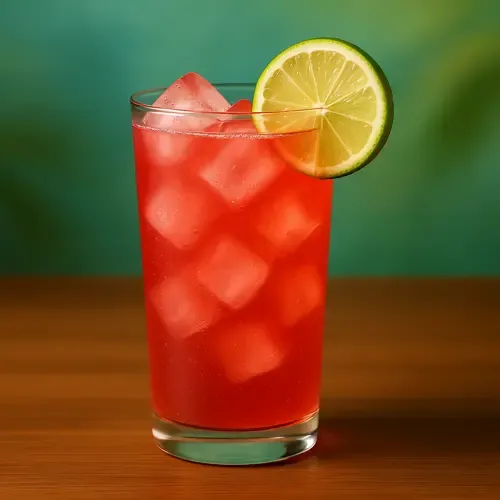
Used with Ice in 13 cocktails
Used with Ice in 5 cocktails
Used with Ice in 6 cocktails

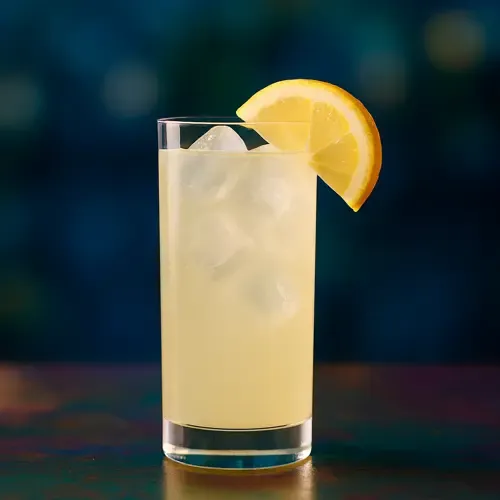
Used with Ice in 4 cocktails
Explore cocktails with Ice
Use these child hubs to compare Ice across repeated cocktail patterns instead of reading recipes one by one. Each link groups recipes by a different structural signal.
By preparation method
Preparation method shows how Ice behaves under technique: shaken for integration, stirred for clarity, built for direct length, heated for warmth, or blended for texture.


By glass
Glassware reveals serving format and dilution strategy for Ice, separating short, spirit-led serves from tall, warm, frozen, or lengthened drinks.


Cocktails using Ice
A curated selection of cocktails that showcase Ice as a defining ingredient.
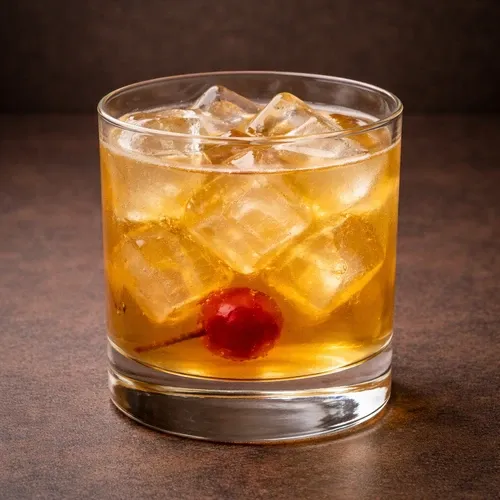
A Piece of Ass
Ingredients for A Piece of Ass — 5 total (3 shown, 2 more hidden).
+2

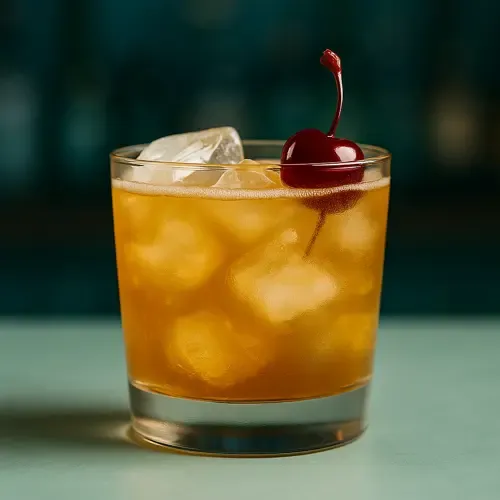
A True Amaretto Sour
Ingredients for A True Amaretto Sour — 4 total (3 shown, 1 more hidden).
+1