Vodka
Alcoholic (~40% ABV) Spirits
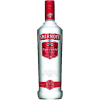
Vodka is a distilled spirit defined by its intentionally neutral profile. Designed to be clean, smooth, and unobtrusive, it provides alcoholic structure without imposing dominant aromatic or flavor characteristics, making it one of the most versatile base spirits in modern mixology.

Flavor & Technical
This section summarizes the sensory balance and technical behavior of Vodka when used in cocktails, combining perceived flavor intensity with functional roles.
Flavor balance and intensity
Technical characteristics
How Vodka works in cocktails
Vodka is analyzed here as a working cocktail ingredient: how it changes flavor, what role it plays in a build, when it should be substituted, and which recipe patterns it supports.
Flavor role in cocktail balance
Vodka is deliberately neutral, with very light sweetness and faint cereal, potato, or fruit-derived notes depending on the raw material. The defining characteristic is texture and mouthfeel rather than aroma, ranging from crisp and dry to soft, oily, or creamy on the palate.
Best uses behind the bar
Vodka serves primarily as a base spirit in cocktails where neutrality and balance are required. It excels in citrus-forward sours, savory and umami-driven cocktails, and long drinks where clarity is essential and competing aromatics would prove distracting. It is also widely used for infusions and flavored spirits.
Substitutes in cocktail builds
Gin can replace vodka when additional aromatic complexity is desired, though this fundamentally alters the drink's identity. Aquavit , particularly unaged styles, offers the closest technical substitute, maintaining cleanliness with subtle spice. White rum or tequila may substitute structurally but introduce sweetness or vegetal notes that significantly change balance.
Production and style context
Vodka originated in Eastern Europe during the Middle Ages, with Poland and Russia historically linked to its early production. Advances in distillation and filtration transformed it into a refined neutral spirit, leading to its global popularity in the 20th century.
Mixology notes
Vodka's perceived purity is achieved not only through high-proof distillation but also through extensive filtration, often using charcoal, to soften alcohol harshness. It is traditionally served well chilled, and its neutrality makes it the most common base for flavored spirits worldwide.
Similar ingredients (by flavor & function)
Ingredients listed here share similar flavor characteristics or functional roles with Vodka, making them comparable in certain cocktail contexts.
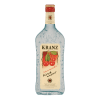
Comparable in recipe usage, but structured flavor data is incomplete for this ingredient.
Frequently paired with
These ingredients frequently appear alongside Vodka in cocktail recipes, based on co-occurrence across the database.
Explore cocktails with Vodka
Use these child hubs to compare Vodka across repeated cocktail patterns instead of reading recipes one by one. Each link groups recipes by a different structural signal.
By preparation method
Preparation method shows how Vodka behaves under technique: shaken for integration, stirred for clarity, built for direct length, heated for warmth, or blended for texture.


By glass
Glassware reveals serving format and dilution strategy for Vodka, separating short, spirit-led serves from tall, warm, frozen, or lengthened drinks.


Cocktails using Vodka
A curated selection of cocktails that showcase Vodka as a defining ingredient.
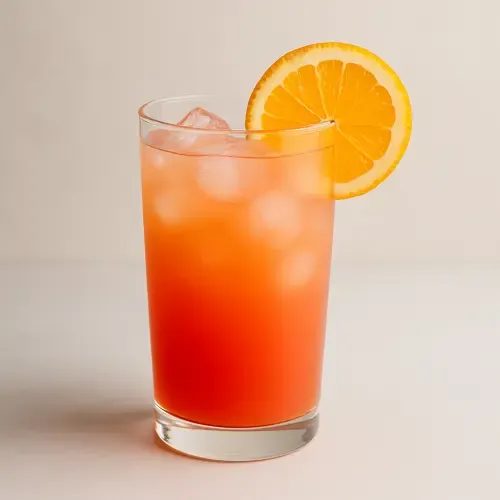
A Gilligan's Island
Ingredients for A Gilligan's Island — 5 total (3 shown, 2 more hidden).
+2
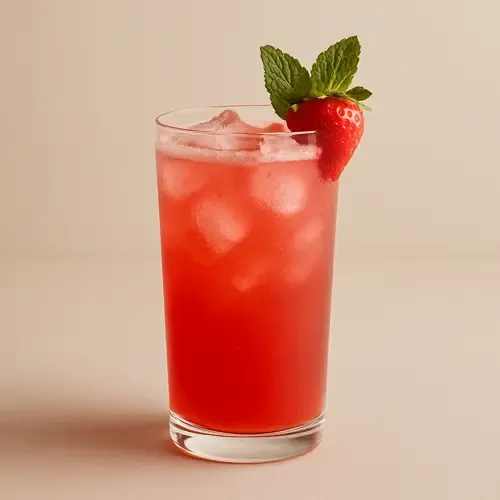
A Midsummer Night Dream
Ingredients for A Midsummer Night Dream — 6 total (3 shown, 3 more hidden).
+3
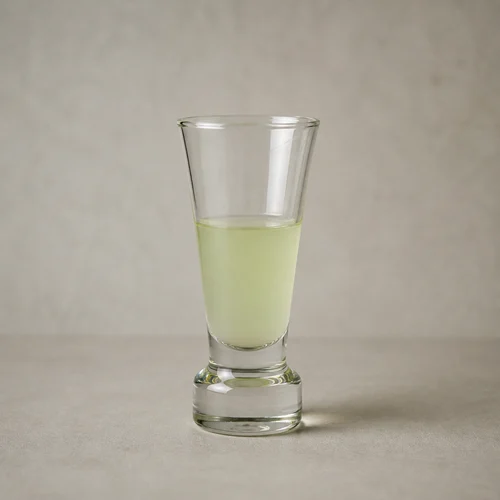
Absinthe #2


Ingredients for Absinthe #2 — 5 total (3 shown, 2 more hidden).
+2