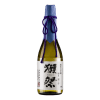
Sake
Alcoholic (~15% ABV) Wines & Fortified Wines
Sake is a traditional Japanese fermented rice beverage made with koji, valued for its subtle sweetness, soft acidity, and distinctive umami-driven depth.
Flavor & Technical
This section summarizes the sensory balance and technical behavior of Sake when used in cocktails, combining perceived flavor intensity with functional roles.
Flavor balance and intensity
Technical characteristics
How Sake works in cocktails
Sake is analyzed here as a working cocktail ingredient: how it changes flavor, what role it plays in a build, when it should be substituted, and which recipe patterns it supports.
Flavor role in cocktail balance
Sake delivers a delicate, clean profile with mild sweetness, gentle acidity, and a rice-forward softness that often reads as subtle umami. Aromas suggest steamed rice, cereal notes, and faint fruit tones such as pear or melon, finishing smooth and lightly dry. Unlike grape wines, it lacks tannic bitterness and minimal herbal or spicy character, functioning primarily as a texture and balance component.
Best uses behind the bar
Sake is used as a fermented rice-wine-style modifier to add softness, subtle sweetness, and savory depth. It supports low-ABV and spirit-light compositions, pairs well with vegetal and delicate aromatic structures, and enhances sauces, marinades, and reductions with gentle fermentation character.
Substitutes in cocktail builds
Dry white wine or light dry vermouth can approximate acidity and structure but will not replicate sake's rice-derived texture or savory depth. For non-alcoholic applications, acidified rice-based liquids can mimic brightness, though they lack fermentation complexity and alcohol integration.
Production and style context
Sake production developed over many centuries in Japan, where it became central to religious ceremonies, celebrations, and culinary culture. Its fermentation relies on koji mold to convert rice starches into fermentable sugars, creating a distinct alcoholic beverage separate from grape-based wine traditions.
Mixology notes
Despite being called "rice wine," sake is produced through a brewing-style process in which starch conversion and fermentation occur in tandem, closer to beer-making than winemaking. Serving temperature varies by style, and premium expressions are often served chilled to highlight aroma and texture.
Cocktail using Sake
The only cocktail in our collection that features Sake as a key ingredient.