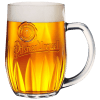
Beer
Alcoholic (~Typically around 4–6% ABV) Beer & Ales
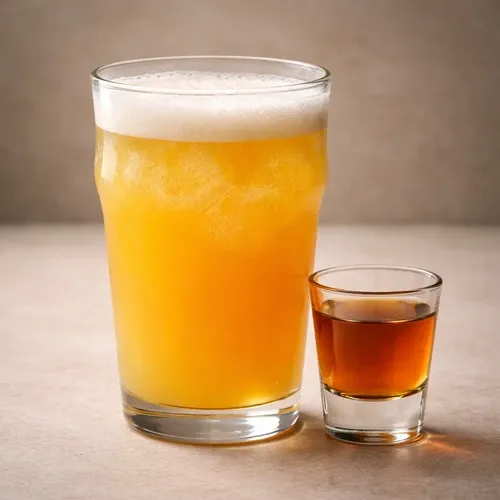
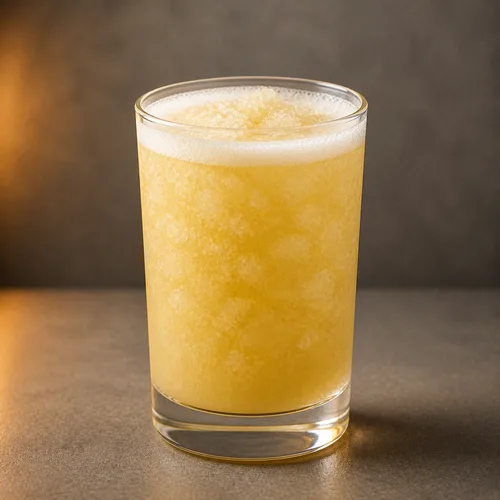
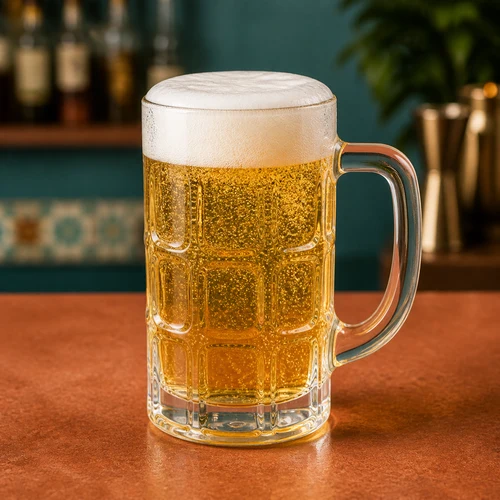
Beer is an alcoholic beverage brewed from cereal grains, typically barley, and flavored with hops. In mixology it is valued for its carbonation, bitterness, malt character, and wide stylistic range, from light and crisp to dark and malty.

Flavor & Technical
This section summarizes the sensory balance and technical behavior of Beer when used in cocktails, combining perceived flavor intensity with functional roles.
Flavor balance and intensity
Technical characteristics
How Beer works in cocktails
Beer is analyzed here as a working cocktail ingredient: how it changes flavor, what role it plays in a build, when it should be substituted, and which recipe patterns it supports.
Flavor role in cocktail balance
Beer expresses a broad spectrum of flavors depending on style, ranging from light, crisp, and mildly bitter to rich, malty, roasted, or hop-forward. Common notes include cereal grains, bread, caramel, hop bitterness, and subtle fruity or spicy yeast-derived nuances.
Best uses behind the bar
Beer functions as a carbonated alcoholic base or lengthener, adding effervescence, bitterness, and malt structure to mixed drinks. It contributes refreshment and complexity rather than sweetness, and pairs well with citrus, spirits, or savory elements.
Substitutes in cocktail builds
Non-alcoholic beer replicates carbonation and malt bitterness without alcohol. Cider or lightly bitter carbonated mixers may substitute in certain preparations, though with altered flavor balance.
Production and style context
Beer is among the oldest fermented beverages, with origins in ancient Mesopotamia and Egypt. Regional styles developed across Europe and beyond over centuries, forming the foundation of modern beer culture.
Explore cocktails with Beer
Use these child hubs to compare Beer across repeated cocktail patterns instead of reading recipes one by one. Each link groups recipes by a different structural signal.
By preparation method
Preparation method shows how Beer behaves under technique: shaken for integration, stirred for clarity, built for direct length, heated for warmth, or blended for texture.


By glass
Glassware reveals serving format and dilution strategy for Beer, separating short, spirit-led serves from tall, warm, frozen, or lengthened drinks.


Cocktails using Beer
A curated selection of cocktails that showcase Beer as a defining ingredient.