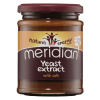
Yeast
Non-Alcoholic (~0% ABV as yeast itself; it may produce alcohol during fermentation.) Miscellaneous
Yeast is a fermentation microorganism used in beverage production to convert sugars into alcohol and carbon dioxide, and in culinary cocktail work for bready aroma.
Flavor & Technical
This section summarizes the sensory balance and technical behavior of Yeast when used in cocktails, combining perceived flavor intensity with functional roles.
Flavor balance and intensity
Technical characteristics
How Yeast works in cocktails
Yeast is analyzed here as a working cocktail ingredient: how it changes flavor, what role it plays in a build, when it should be substituted, and which recipe patterns it supports.
Flavor role in cocktail balance
Yeast contributes bready, fermented, savory, and slightly earthy characteristics when present as a flavor component. Its primary function remains fermentation rather than direct seasoning.
Best uses behind the bar
Applied in fermented beverages, tepache-style preparations, ginger beer fermentation, low-intervention cocktail ingredients, bread-like culinary garnishes, and experimental bar fermentation projects.
Substitutes in cocktail builds
Brewer's yeast, champagne yeast, baker's yeast, sourdough starter, or ginger bug may substitute depending on the intended fermentation outcome.
Mixology notes
Yeast is a single-celled microorganism that reproduces rapidly during fermentation, producing alcohol and carbon dioxide as metabolic byproducts.