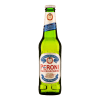
Lager
Alcoholic (~Usually around 4-5% ABV depending on style and producer.) Beer & Ales
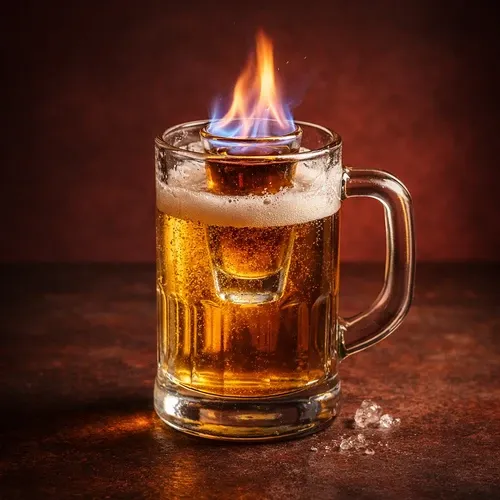
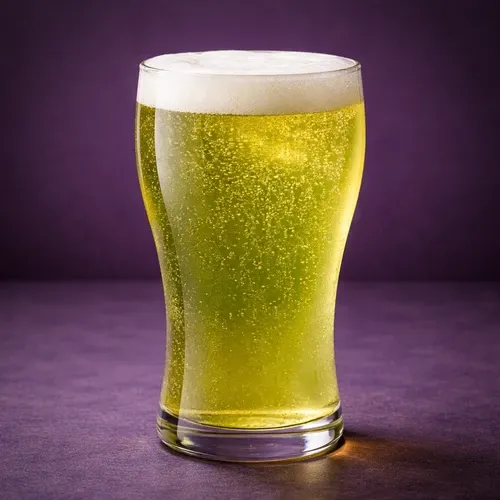
Lager is a crisp, bottom-fermented beer used in cocktails for carbonation, light malt structure, gentle hop bitterness, and refreshing volume.

Flavor & Technical
This section summarizes the sensory balance and technical behavior of Lager when used in cocktails, combining perceived flavor intensity with functional roles.
Flavor balance and intensity
Technical characteristics
How Lager works in cocktails
Lager is analyzed here as a working cocktail ingredient: how it changes flavor, what role it plays in a build, when it should be substituted, and which recipe patterns it supports.
Flavor role in cocktail balance
Lager is clean, grainy, carbonated, mildly bitter, and typically dry. It contributes more texture and refreshment than intense flavor, making it a flexible beer base for citrus, tomato , whiskey , tequila , and fruit mixers. Light lagers remain neutral, while pilsner-style lagers deliver more pronounced hop character.
Best uses behind the bar
Used in shandies, micheladas, beer slushes, boilermakers, beer punches, pub-style long drinks, and casual party cocktails. Blending or shaking should be approached with caution, as agitation strips carbonation and can generate excessive foam.
Substitutes in cocktail builds
Pilsner provides a sharper hop profile. Light beer offers a milder base. Pale ale introduces additional bitterness and malt character. Non-alcoholic lager works for lower-strength builds.
Production and style context
Lager originated in Germany in the 16th century and is now one of the most widely consumed beer styles worldwide. It is brewed using bottom-fermenting yeast at cool temperatures.
Mixology notes
Lager derives its name from the German word 'lagern,' meaning 'to store,' reflecting its traditional maturation in cool cellars. It remains the most consumed beer style globally.
Similar ingredients (by flavor & function)
Ingredients listed here share similar flavor characteristics or functional roles with Lager, making them comparable in certain cocktail contexts.
Comparable in recipe usage, but structured flavor data is incomplete for this ingredient.
Frequently paired with
These ingredients frequently appear alongside Lager in cocktail recipes, based on co-occurrence across the database.
Used with Lager in 5 cocktails
Explore cocktails with Lager
Use these child hubs to compare Lager across repeated cocktail patterns instead of reading recipes one by one. Each link groups recipes by a different structural signal.
By preparation method
Preparation method shows how Lager behaves under technique: shaken for integration, stirred for clarity, built for direct length, heated for warmth, or blended for texture.


By glass
Glassware reveals serving format and dilution strategy for Lager, separating short, spirit-led serves from tall, warm, frozen, or lengthened drinks.


Cocktails using Lager
A curated selection of cocktails that showcase Lager as a defining ingredient.
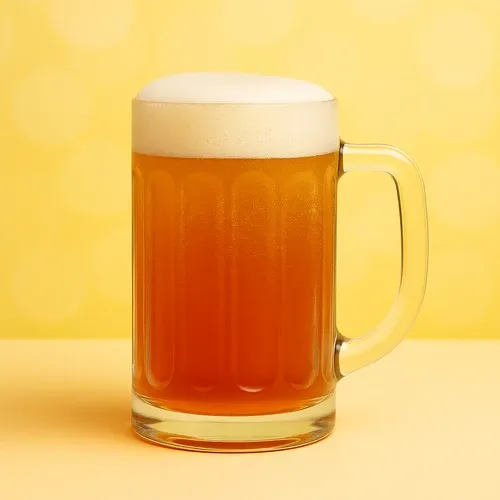


Diesel
Ingredients for Diesel — 3 total (3 shown).