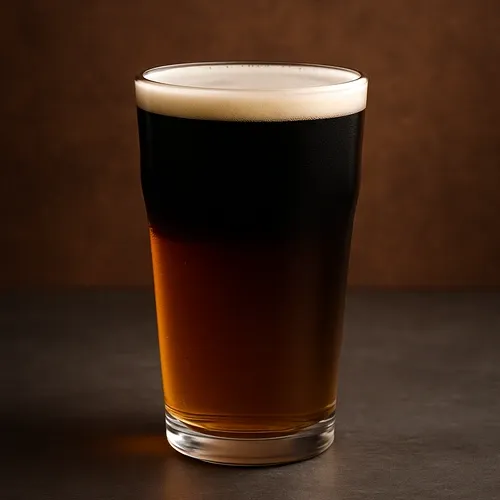
Ale
Alcoholic (~5% ABV) Beer & Ales
Ale is a broad category of beer produced using top-fermenting yeast, typically resulting in a fuller body and more expressive malt and yeast character than bottom-fermented styles. In mixed preparations, ale contributes malt sweetness, gentle bitterness, and fermentation-derived complexity.
Flavor & Technical
This section summarizes the sensory balance and technical behavior of Ale when used in cocktails, combining perceived flavor intensity with functional roles.
Flavor balance and intensity
Technical characteristics
How Ale works in cocktails
Ale is analyzed here as a working cocktail ingredient: how it changes flavor, what role it plays in a build, when it should be substituted, and which recipe patterns it supports.
Flavor role in cocktail balance
Ale presents a malty core with light to moderate sweetness, balanced bitterness, and yeast-driven notes ranging from fruity and estery to softly spicy. The profile is round and structured, offering body and depth rather than sharp freshness.
Best uses behind the bar
Ale serves as a fermented base that provides malt structure, bitterness, and carbonation. It functions as a body-building and flavor-carrying component, contributing fermentation complexity and moderate alcohol without overwhelming other elements.
Substitutes in cocktail builds
Lager offers a cleaner, crisper alternative with reduced yeast character. Wheat beer provides softer bitterness and added body, while non-alcoholic malt beverages replicate malt sweetness without alcohol.
Similar ingredients (by flavor & function)
Ingredients listed here share similar flavor characteristics or functional roles with Ale, making them comparable in certain cocktail contexts.
Comparable in recipe usage, but structured flavor data is incomplete for this ingredient.
Cocktail using Ale
The only cocktail in our collection that features Ale as a key ingredient.