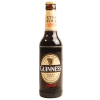
Guinness Stout
Alcoholic (~~4% ABV) Beer & Ales
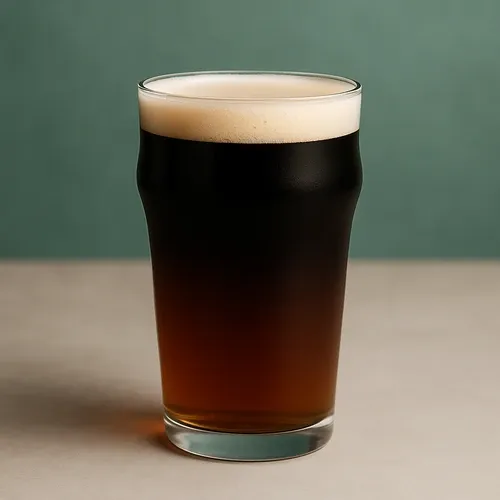
Guinness Stout is an Irish dry stout characterized by roasted barley, dark color, and a smooth, creamy head. In cocktails and culinary applications, it provides roasted, bitter, and malty depth at low alcohol strength.

Flavor & Technical
This section summarizes the sensory balance and technical behavior of Guinness Stout when used in cocktails, combining perceived flavor intensity with functional roles.
Flavor balance and intensity
Technical characteristics
How Guinness Stout works in cocktails
Guinness Stout is analyzed here as a working cocktail ingredient: how it changes flavor, what role it plays in a build, when it should be substituted, and which recipe patterns it supports.
Flavor role in cocktail balance
Guinness Stout delivers pronounced roasted malt character with notes of coffee and cocoa, low sweetness, moderate bitterness, and subtle acidity. The mouthfeel is smooth and creamy, finishing dry and clean.
Best uses behind the bar
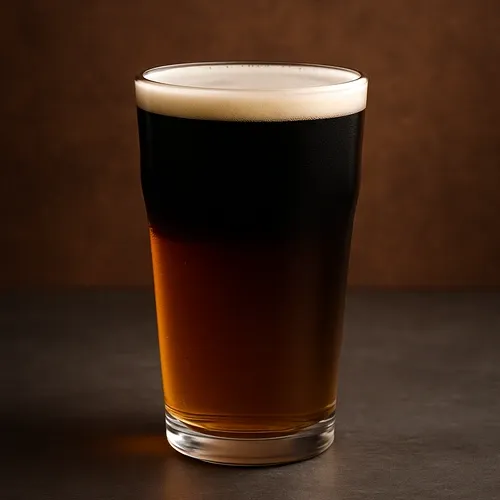
Used as a stout beer component in beer cocktails, floats, and layered drinks, adding roasted bitterness and visual contrast. It is also incorporated into cooking and dessert-style preparations for depth rather than sweetness.
Substitutes in cocktail builds
Other Irish dry stouts provide the closest substitute. Porters offer similar roast with more sweetness, while dark ales approximate color and body but differ in bitterness and dryness.
Production and style context
First brewed in Dublin in 1759 at St. James's Gate Brewery, Guinness Stout became the archetype of the Irish dry stout style. Its roasting process and nitrogen dispense system shaped its distinctive identity.
Mixology notes
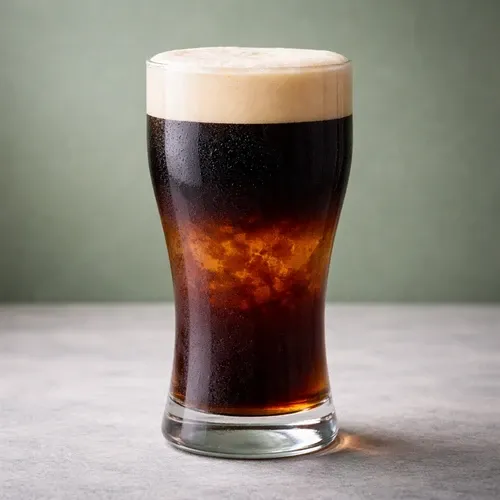
The signature cascading effect comes from nitrogen bubbles settling during the pour. Roasted barley, rather than heavily kilned malt, is responsible for much of the beer 's dark color and coffee-like bitterness.
Brand disclaimer
This page includes Guinness Stout as an example of a branded ingredient for reference and classification purposes. Fizzando operates independently and has no commercial relationship with the brand or its producer. Brand names and trademarks are used solely to identify the products discussed.
Similar ingredients (by flavor & function)
Ingredients listed here share similar flavor characteristics or functional roles with Guinness Stout, making them comparable in certain cocktail contexts.
Comparable in recipe usage, but structured flavor data is incomplete for this ingredient.
Explore cocktails with Guinness Stout
Use these child hubs to compare Guinness Stout across repeated cocktail patterns instead of reading recipes one by one. Each link groups recipes by a different structural signal.
By preparation method
Preparation method shows how Guinness Stout behaves under technique: shaken for integration, stirred for clarity, built for direct length, heated for warmth, or blended for texture.

By glass
Glassware reveals serving format and dilution strategy for Guinness Stout, separating short, spirit-led serves from tall, warm, frozen, or lengthened drinks.


Cocktails using Guinness Stout
All cocktails in our collection that feature Guinness Stout as a core ingredient.