Coca-Cola
Non-Alcoholic (~0% ABV) Carbonated Mixers
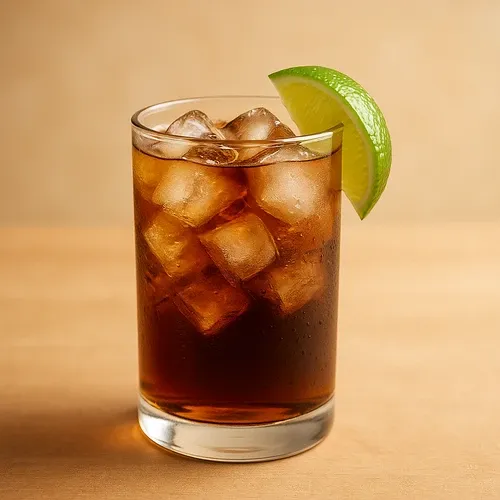
Coca-Cola is a carbonated soft drink characterized by sweetness, acidity, and a distinctive cola flavor profile. In cocktails, it functions as a flavored carbonated mixer, providing sweetness, effervescence, and a recognizable caramel-spice character that defines the drink's identity.

Flavor & Technical
This section summarizes the sensory balance and technical behavior of Coca-Cola when used in cocktails, combining perceived flavor intensity with functional roles.
Flavor balance and intensity
Technical characteristics
How Coca-Cola works in cocktails
Coca-Cola is analyzed here as a working cocktail ingredient: how it changes flavor, what role it plays in a build, when it should be substituted, and which recipe patterns it supports.
Flavor role in cocktail balance
Coca-Cola delivers pronounced sweetness balanced by acidity, with dominant caramel notes supported by vanilla , subtle citrus, and spice-like undertones. Carbonation enhances its perceived freshness while carrying aroma across the palate. Its flavor is bold and immediately recognizable, often becoming the dominant element in mixed drinks rather than a background component.
Best uses behind the bar
Coca-Cola is used as a long-drink mixer in built cocktails. It is essential in classics such as the Cuba Libre , Rum and Coke, and Jack and Coke, where it provides sweetness, dilution, and carbonation in a single ingredient. Its strong flavor profile suits simple spirit-plus-mixer constructions rather than delicate or layered cocktails.
Substitutes in cocktail builds
Other cola brands can replace Coca-Cola with similar structure and carbonation, though sweetness and spice balance may vary. A simplified substitute can be created using soda water combined with simple syrup and light spice or citrus accents, though this lacks the complexity and signature cola character of commercial formulations.
Production and style context
Coca-Cola was created in 1886 by pharmacist John Stith Pemberton in the United States. Initially marketed as a medicinal tonic, it evolved into a mass-market soft drink and became globally associated with cola as a flavor category, influencing beverage and cocktail culture worldwide.
Mixology notes
Early versions of Coca-Cola contained coca leaf extracts, which were removed from the formula in the early 20th century. Its exact recipe remains proprietary. In cocktails, Coca-Cola is notable for creating globally recognized drinks with minimal ingredients, emphasizing accessibility over complexity.
Frequently paired with
These ingredients frequently appear alongside Coca-Cola in cocktail recipes, based on co-occurrence across the database.

Used with Coca-Cola in 5 cocktails
Explore cocktails with Coca-Cola
Use these child hubs to compare Coca-Cola across repeated cocktail patterns instead of reading recipes one by one. Each link groups recipes by a different structural signal.
By preparation method
Preparation method shows how Coca-Cola behaves under technique: shaken for integration, stirred for clarity, built for direct length, heated for warmth, or blended for texture.


By glass
Glassware reveals serving format and dilution strategy for Coca-Cola, separating short, spirit-led serves from tall, warm, frozen, or lengthened drinks.


Cocktails using Coca-Cola
A curated selection of cocktails that showcase Coca-Cola as a defining ingredient.
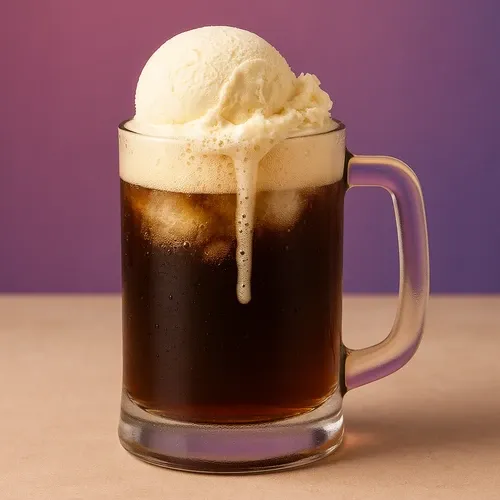
Brandon and Will's Coke Float

Ingredients for Brandon and Will's Coke Float — 3 total (3 shown).


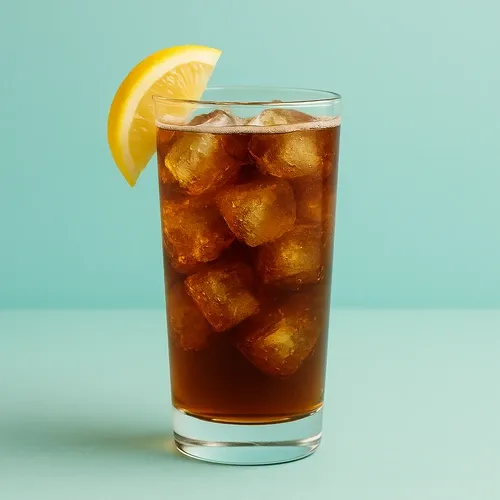
Citrus Coke
Ingredients for Citrus Coke — 3 total (3 shown).
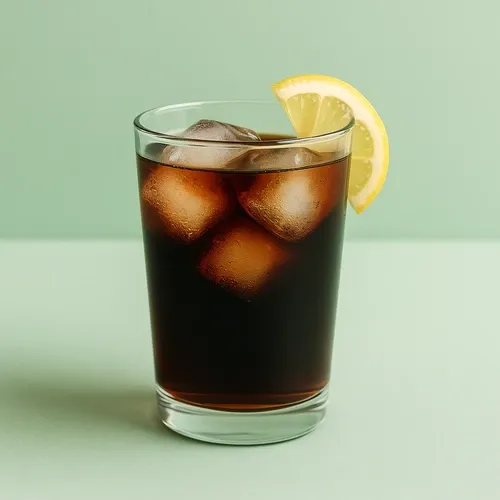
Coke and Drops
Ingredients for Coke and Drops — 3 total (3 shown).